
Locally Led, Regionally Grounded: CHINNOVA’s First Research Cohort Advances Climate and Health Science in West and Central Africa
August 17, 2026
Building Powerful University Brands: AAU Media Masterclass Equips Africa’s Higher Education Storytellers
September 16, 2026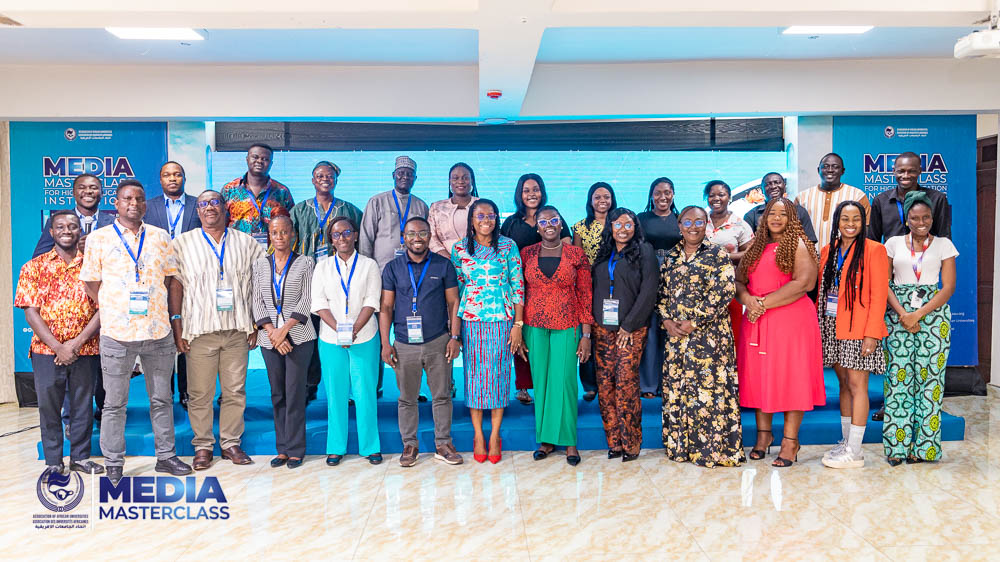
African universities are producing research, developing innovations and training talent to address some of the continent’s most pressing challenges. Yet much of this work remains within academic and institutional spaces. Extending its reach and value depends in part on how effectively it is communicated to policymakers, communities, industry actors and other stakeholders who can engage with and apply it.
Against this backdrop, communication professionals from African universities have been urged to take a more strategic role in extending the reach of university research by translating academic findings into accessible and engaging content for audiences beyond academia.
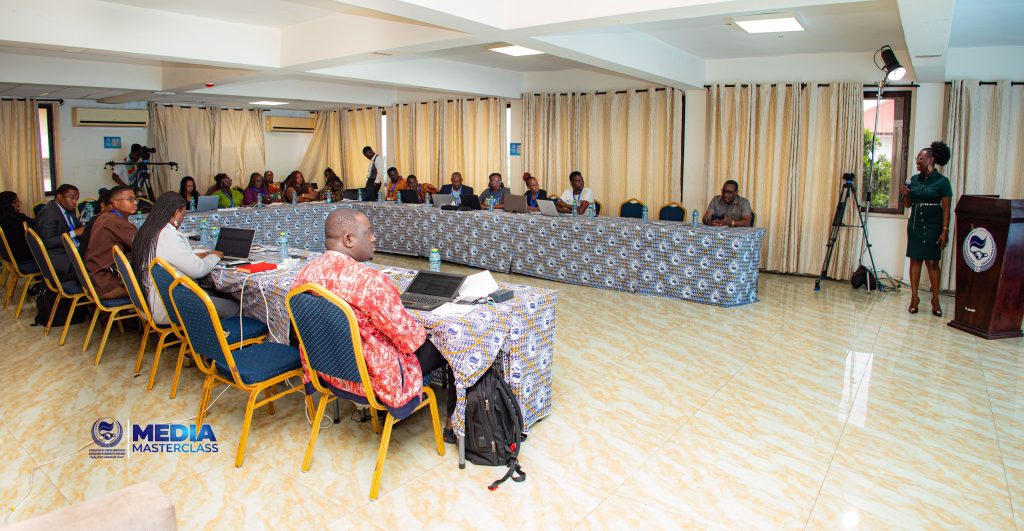
As part of the five-day Media Masterclass, organised by the Association of African Universities (AAU) from 7 to 11 September 2026, participants explored Academic Storytelling and Research Communication, focusing on how university-generated knowledge can reach and engage audiences beyond academia. Participants also examined how stronger collaboration between researchers and communication professionals can help connect this knowledge with policymakers, communities, industry, the media and the wider public.
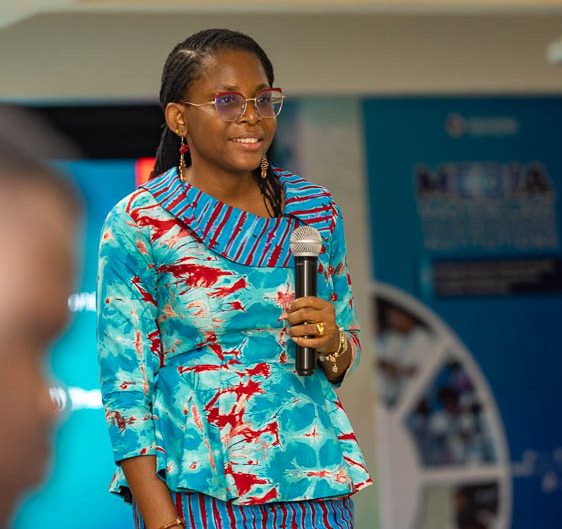
Facilitating the discussions, filmmaker, lecturer and researcher Cecilia Avorkliyah encouraged participants to consider publication as one stage in a wider research communication process rather than its conclusion. While academic publishing remains fundamental to scholarship, research produced primarily for specialist audiences may not always be readily accessible to other groups that could benefit from its findings.
Moving from research findings to relevant stories
A central message from the discussions was that reaching wider audiences requires more than simplifying academic language. It requires strategic translation. Participants were taken through a process that begins with establishing the purpose of the communication, identifying the intended audience, determining which findings are most relevant, and selecting the strategy, expertise and resources required to reach that audience effectively.
Particular attention was given to the importance of identifying a clear story angle. Research may generate several important findings, but their relevance can differ depending on the audience. The same study could therefore be approached through the experiences of affected communities, its implications for policy, its economic consequences or another relevant perspective. Choosing the appropriate angle is therefore a strategic decision, shaping which aspects of the research are brought forward and how their significance is understood by different audiences.
Through practical exercises, participants applied these principles by considering the audiences they needed to reach, the relevance of the research to those audiences and the most appropriate ways to communicate it. The exercises also encouraged participants to see research communication as more than reporting that a study has been conducted or a paper has been published. The focus was on identifying the significance of the findings and presenting them in ways that relevant audiences can understand and engage with.
Strengthening the role of university communicators
The discussions also highlighted the role communication professionals can play in extending the reach and relevance of university research. Central to this is stronger collaboration between communicators, researchers and research and innovation units, bringing together the expertise needed to move research beyond predominantly academic audiences.
Researchers bring subject expertise and evidence, while communication professionals bring an understanding of audiences, framing, formats and platforms. Connecting these strengths can help institutions identify research with wider public relevance, determine the audiences that need to be reached and communicate findings in ways that remain faithful to the evidence while making their significance clearer and more accessible.
The discussions also highlighted that strengthening research communication cannot rest solely with individual communicators or researchers. It requires institutional structures that enable research and communication functions to work together more consistently, rather than relying on occasional efforts to publicise completed studies.
Building more strategic research communication
Over five days, the AAU Media Masterclass explored how African higher education institutions can strengthen their visibility and positioning through institutional branding, strategic content development and academic storytelling. Research communication formed an important part of this broader agenda, with particular attention to how universities can extend the reach of the knowledge they produce and communicate it purposefully to audiences beyond academia.
As African universities continue to generate research and innovations addressing critical development challenges, the Media Masterclass reinforced the importance of giving research communication greater strategic attention. Publication remains central to scholarship, while effective communication can help that knowledge reach and engage the people and institutions that can make use of it.
The question, then, is not only where research will be published, but who needs the knowledge, why it matters to them and how best to reach them.