
Beyond Publication: African University Communicators Urged to Strengthen Research Storytelling
September 16, 2026
AAU Celebrates Five African Institutions Recognised for Higher Education Transformation
September 24, 2026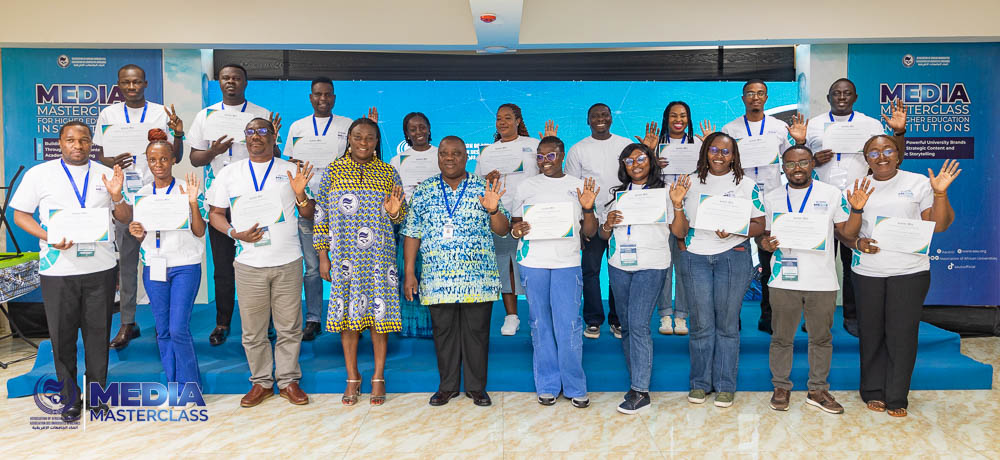
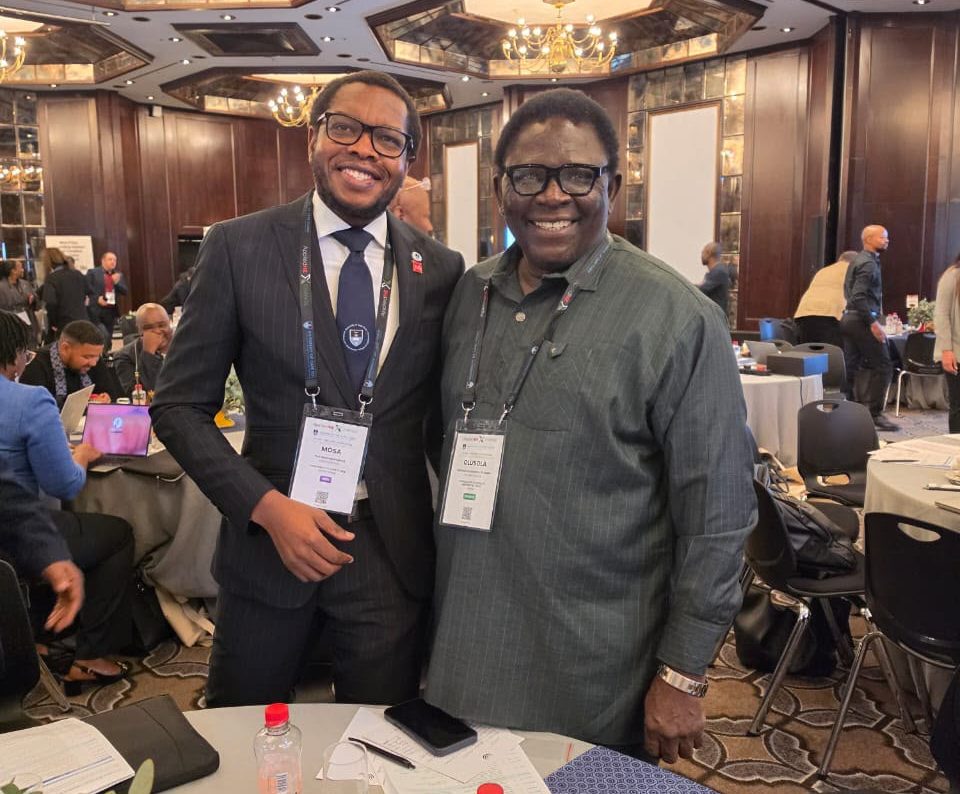
“Excellence that is not visible may not receive the recognition, partnerships, resources and influence it deserves.” – AAU Secretary General, Prof. Olusola Bandele Oyewole
In today’s higher education landscape, universities are navigating a rapidly changing environment where producing knowledge is only part of the equation. How that knowledge, expertise and innovation are communicated, shared and connected to society increasingly matters.
Strategic communication can help universities strengthen public engagement, build partnerships and ensure that their contributions reach the audiences and sectors that can benefit from them. This is becoming increasingly important as institutions seek to strengthen partnerships, attract opportunities and demonstrate their contribution to national and continental development. Bridging the gap between institutional achievement and how effectively it is communicated formed the foundation of the AAU Media Masterclass for Higher Education Institutions, organized by the Association of African Universities (AAU) from 7 to 11 September 2026 under the theme,
“Building Powerful University Brands through Strategic Content and Academic Storytelling.”
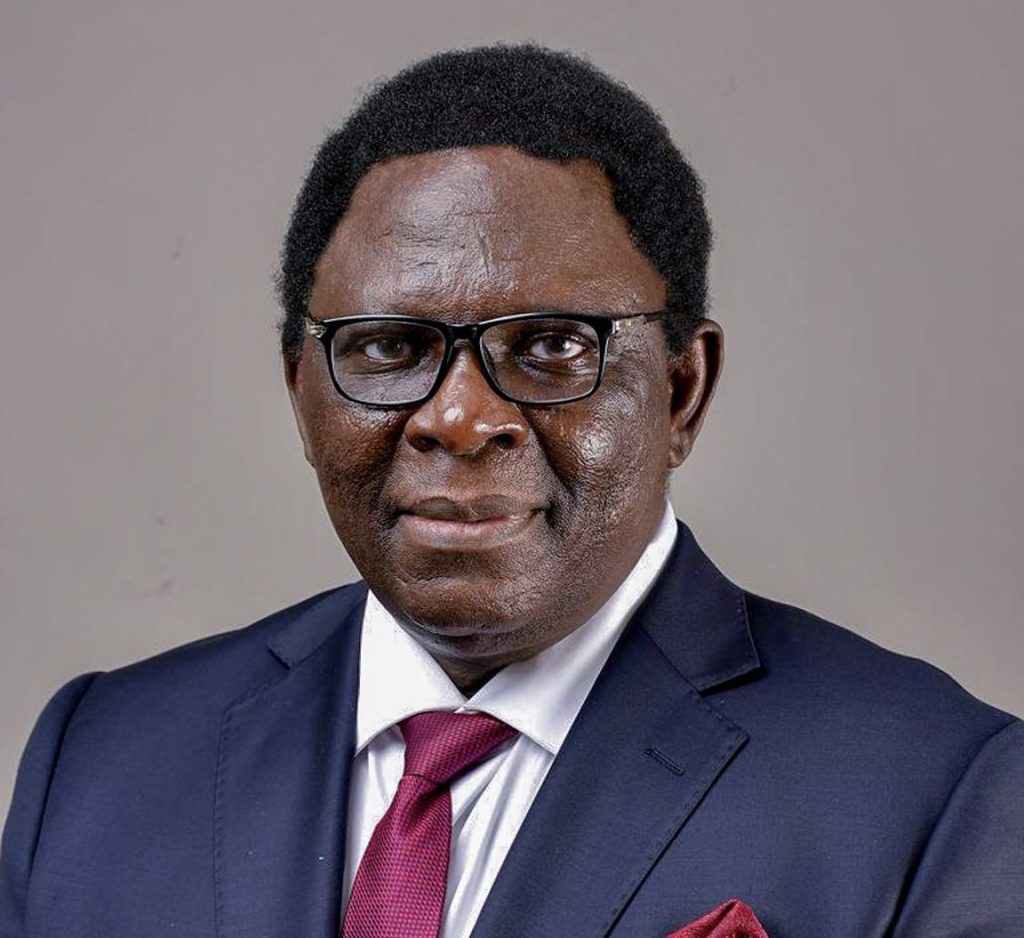
Opening the five-day programme, AAU Secretary General, Prof. Olusola Bandele Oyewole, described the media as a strategic instrument for institutional visibility, reputation, influence, stakeholder engagement and global competitiveness. He noted that universities may have excellent academics, outstanding research, innovative students, impactful community interventions and successful graduates, but these achievements may remain largely unseen if they are not effectively communicated. His observation reflects a wider challenge facing African higher education.
Recent analysis from the QS Africa Forum 2026 on the gap between African universities’ performance and global perception found that while African universities continue to strengthen research output, graduate outcomes and international collaboration, global perception has not kept pace. The problem, in other words, is not that African scholarship lacks substance. It is that substance alone doesn’t travel. People form an opinion of an institution long before they read its research, often from nothing more than a website, a tagline, or the story that shows up in their feed.
Communications officers, media coordinators and public relations practitioners travelled in from Ghana, Nigeria, Uganda, Tanzania, Kenya, Malawi, the Democratic Republic of Congo and beyond, for a programme that moved briskly from philosophy to practice.
From Branding to Storytelling
The Masterclass translated this challenge into practical skills for university communication professionals. The opening sessions examined university brand identity, brand perception, positioning and visual communication, before moving into practical exercises on developing brand positioning statements and communication guides.
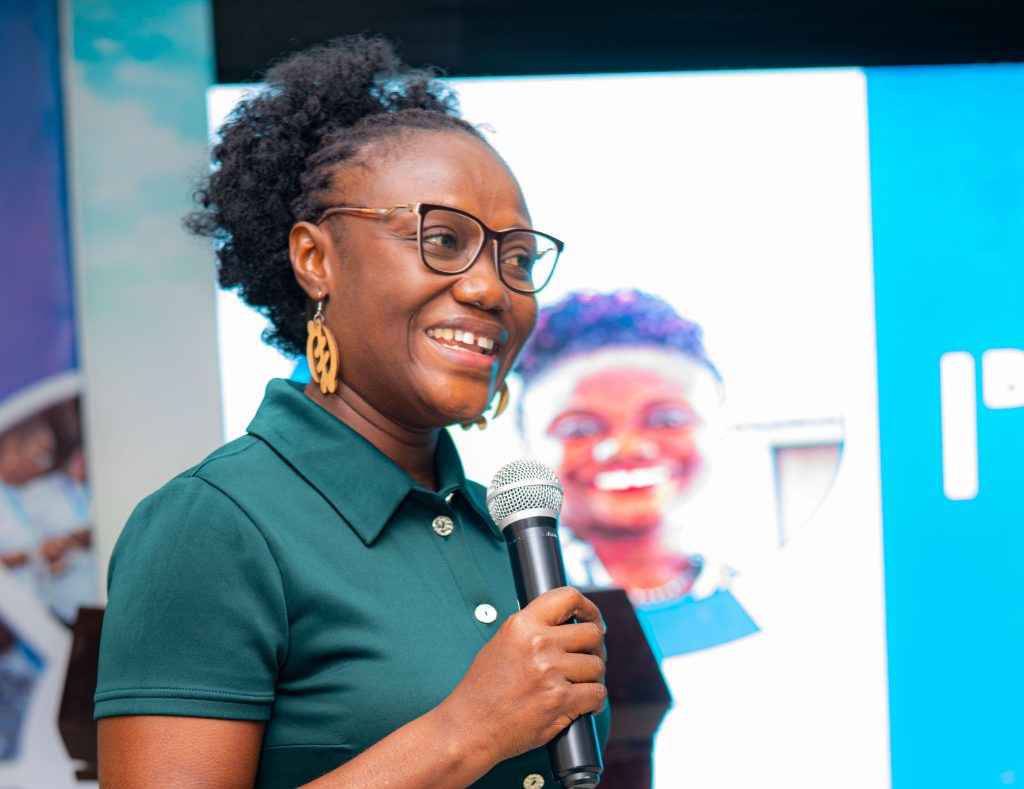
Facilitated by Dr. Jade Ampomaah Appiah-Lartey, a Lecturer in the Department of Communication Studies at the University of Ghana, the sessions reinforced the idea that a university brand extends beyond its logo. It is shaped by what the institution says about itself, what stakeholders experience and the reputation built over time.
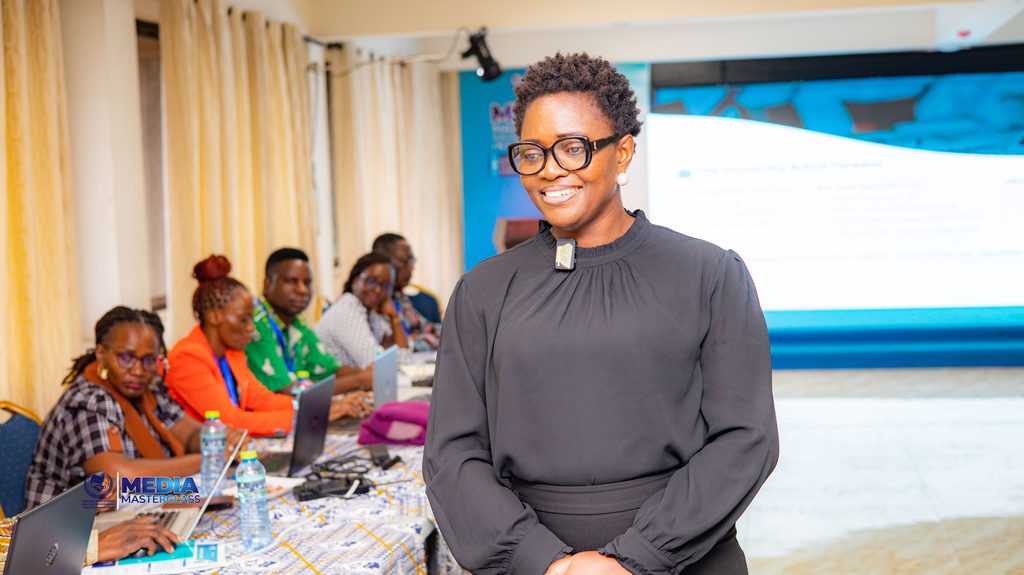
This was further developed by Beauty Olerkie Larbi, a Strategic Marketing and Communications Leader, whose sessions examined the university content ecosystem, content planning and the use of the academic calendar to structure institutional storytelling. Participants worked on content frameworks, one-year content calendars and campaign ideas for key academic periods.
The practical focus was deliberate. Participants did not only discuss communication challenges; they conducted brand audits, developed 90-day communication plans and explored event communication strategies.
Making Research Matter Beyond Academia
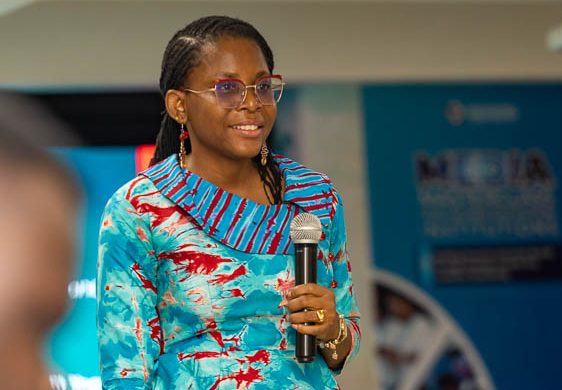
One of the strongest themes that emerged centred on research communication and the need to transform academic work into public-friendly content. Led by filmmaker, lecturer and researcher Cecilia Avorkliyah, the sessions explored how complex research could become documentaries, short videos, podcasts, radio features and social media explainers. Participants developed research story briefs, scripts and storyboards. The central question shifted from “What did the research find?” to “Why should anyone care?” Beyond the choice of format, participants were encouraged to consider the purpose of the communication, the intended audience and the most relevant story angle. The same research can speak differently to communities, policymakers, industry and other stakeholders depending on which findings are brought forward and how their significance is communicated.
Avorkliyah emphasised the role of communicators in translating research into clear and engaging stories without losing the substance of the findings. By considering the audience, the story angle and the most relevant findings, communicators can help research reach beyond academic circles and connect with communities, policymakers, industry and the wider public.
From Communication Function to Strategic Role
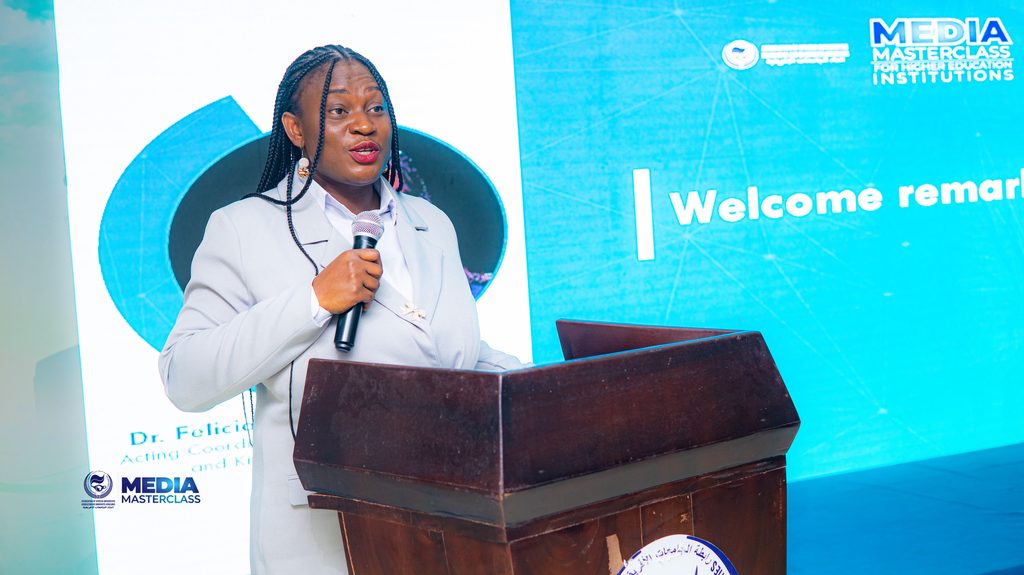
The Masterclass also challenged the traditional perception of university communication as primarily an administrative or publicity function. Speaking to this, Dr. Felicia Nkrumah-Kuagbedzi, AAU’s Acting Coordinator for Communications and Knowledge Management, led a discussion built around feedback participants had already submitted about their day-to-day challenges, including tight budgets, poor internet access, small communications teams, and being brought in only after a story was ready to be published.
Participants shared examples from their own institutions, including setting up communication contact people in every college and department, and using simple feedback forms to uncover student stories that had gone untold. A key takeaway was that a communication strategy works best when it is linked to the institution’s overall strategic plan, translated into realistic yearly action plans and reviewed regularly, rather than produced once and left unused.
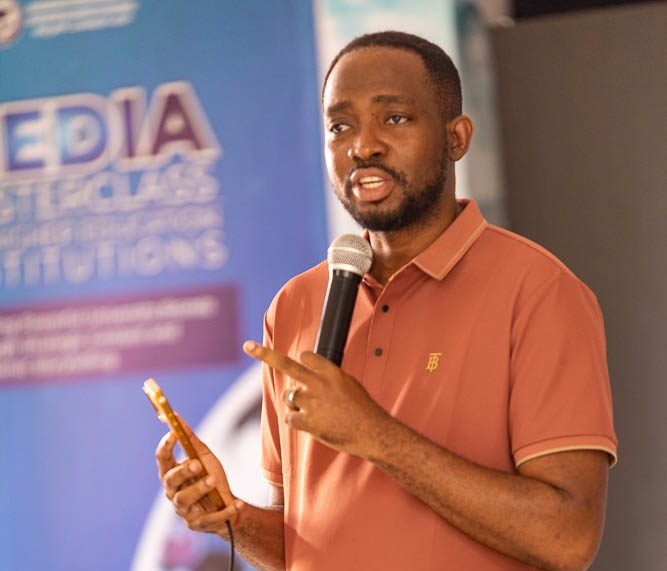
The final stretch of practical training turned to content production using mobile phones, led by Andrew Azasoo, Creative Lead at Encoremedia. He covered matching video format to platform, basic lighting techniques, and the importance of shooting in high resolution so footage can be adapted for different platforms. Participants put the lessons to immediate use, filming and editing short pieces of their own in groups.
Participants left Accra with more than frameworks, brand audits, communication plans, and event templates. They left with a stronger sense of their role, not simply as communicators of institutional activities, but as professionals who can shape how the work, achievements and contributions of African universities are seen, understood and valued.