
AAU Launches COREVIP 2027 and Diamond Jubilee Celebrations
July 29, 2026
AfriQAN Elects New Executive Leadership to Drive Continental Quality Assurance Agenda
July 31, 2026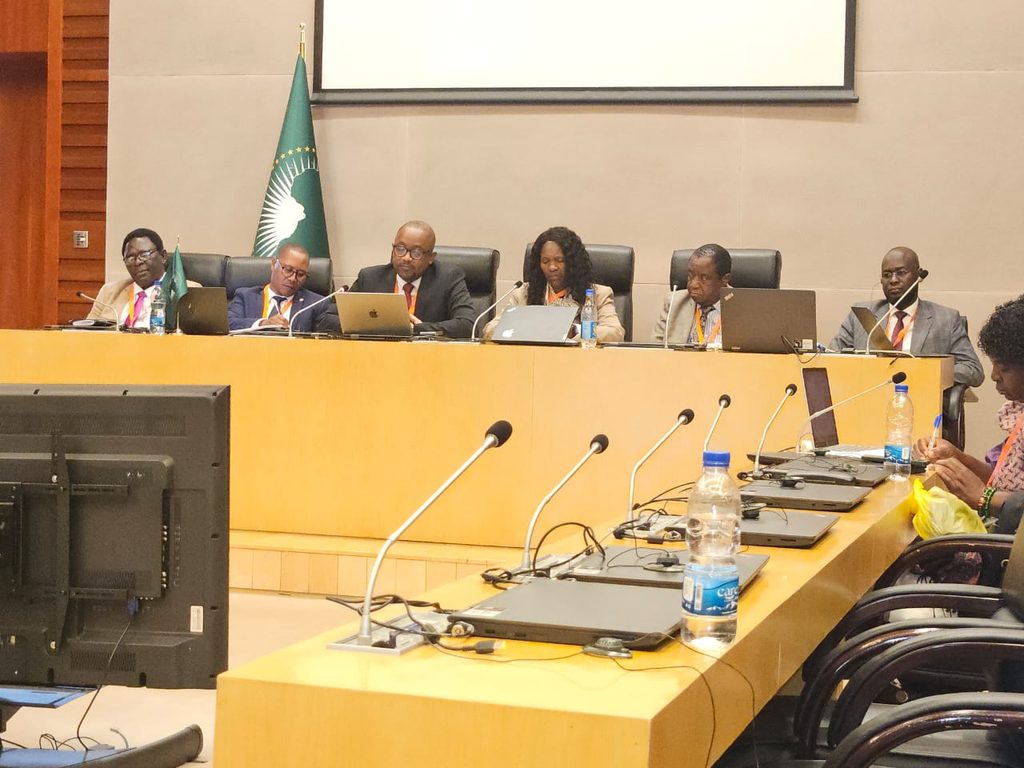
The rapid expansion of online and transnational education is reshaping higher education across Africa, creating new opportunities for access, flexibility, and lifelong learning while raising important questions about quality, credibility, and academic standards.
As institutions increasingly embrace digital and cross-border models of education, ensuring that these modes of delivery provide credible and meaningful learning experiences has become an important priority for higher education institutions and quality assurance bodies. How can the quality of online education be maintained? How can the credibility of qualifications obtained through digital platforms be protected? And how can institutions ensure that students receive comparable learning experiences, regardless of where or how they study?
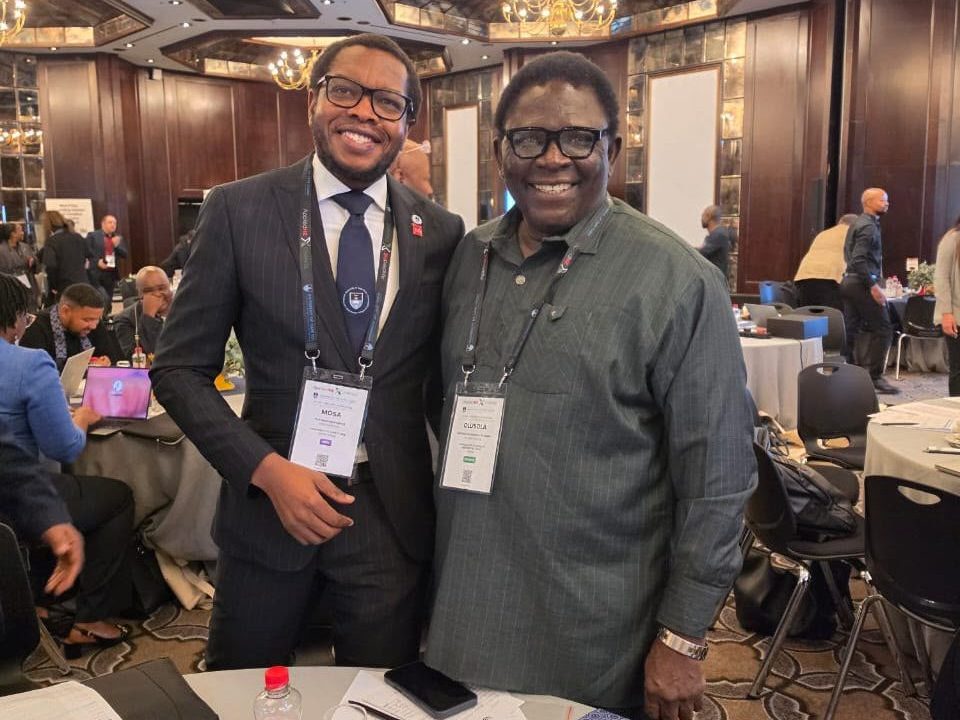
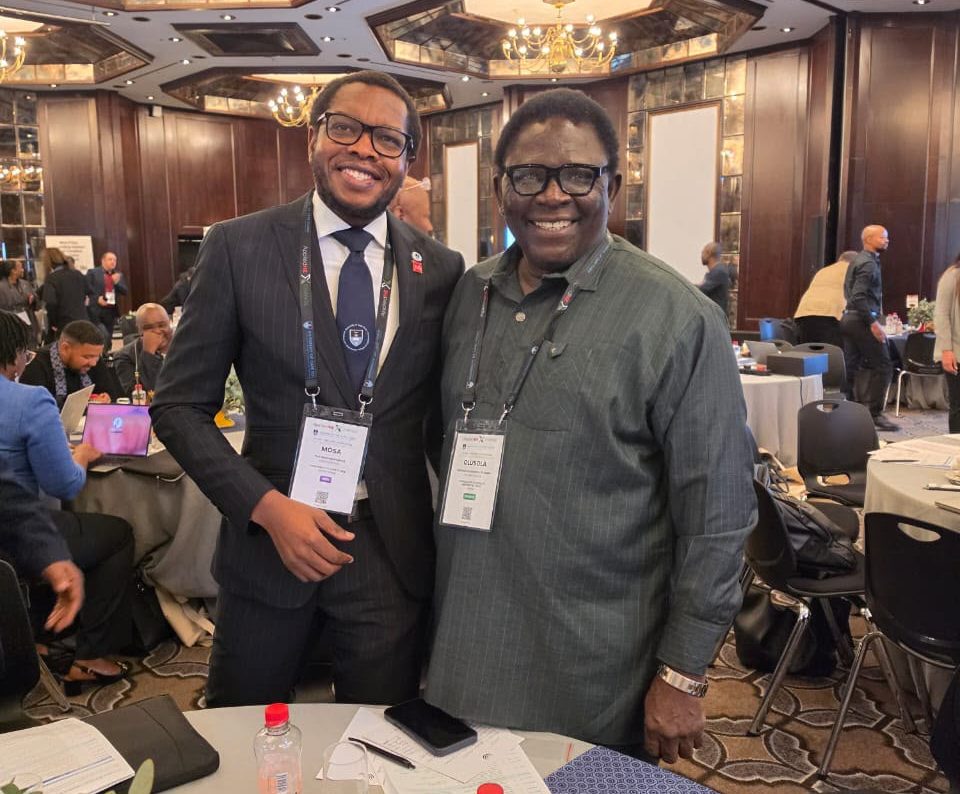
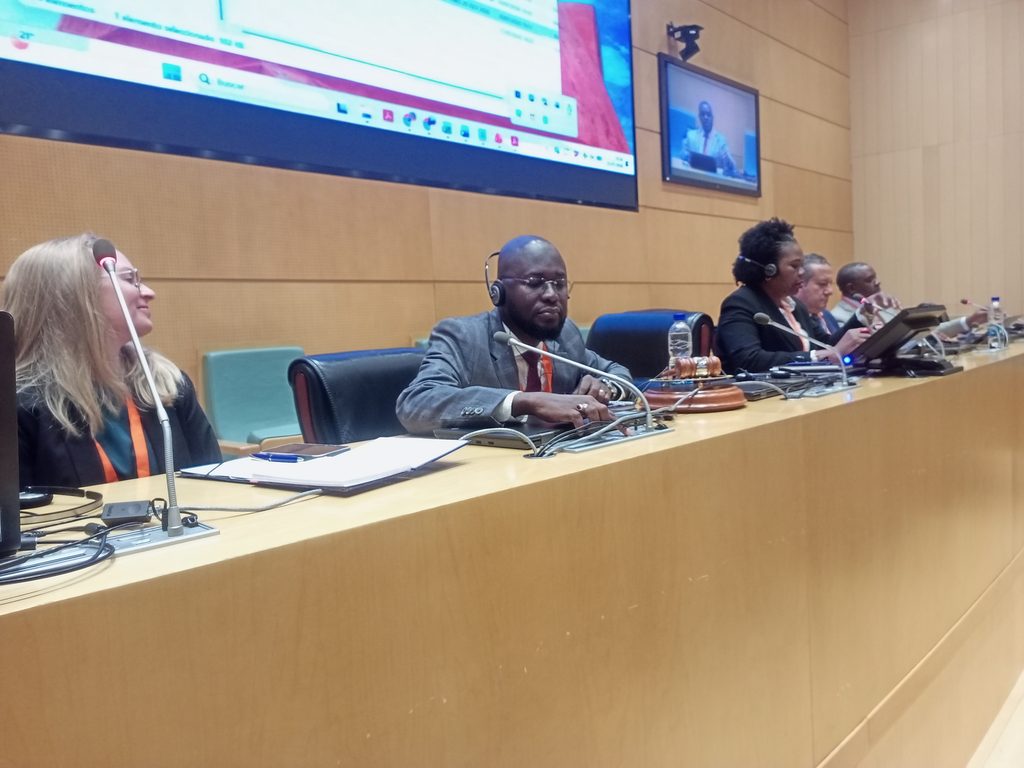
These questions were at the centre of discussions during the 2026 African Quality Assurance Network (AfriQAN) Annual Conference and General Assembly, hosted with the support of the Association of African Universities (AAU). Experts from the Southern African Quality Assurance Network (SAQAN), Egypt’s National Authority for Quality Assurance and Accreditation of Education (NAQAAE), and the European Association for Quality Assurance in Higher Education (ENQA) examined the evolving role of quality assurance in supporting digital and transnational education, including programmes delivered across national borders.
The discussions highlighted an important distinction between simply transferring traditional education online and creating a quality online learning experience. Online education is not just about placing lectures, reading materials, or assessments on digital platforms. It requires thoughtful planning, effective governance, trained faculty, reliable technology, and quality assurance mechanisms that respond to the realities of digital learning.
The Evolution of Online Education
Although online education developed from traditional distance learning models, its growth accelerated significantly during the COVID-19 pandemic, as institutions across Africa and around the world quickly adopted digital learning solutions to ensure educational continuity. What expanded rapidly as a response to an emergency has now become a permanent feature of higher education.
Today, online and blended learning models continue to expand, supported by emerging technologies such as artificial intelligence, learning analytics, and stackable micro-credentials. These developments provide exciting opportunities for institutions to reach more learners, support flexible learning pathways, and respond to the growing demand for continuous skills development.
But with innovation comes responsibility. Quality assurance systems must evolve alongside these changes to ensure that technological advancement does not compromise academic standards. The question is no longer whether online education should exist, but rather how institutions can ensure that it is delivered effectively, ethically, and with the same commitment to quality expected from all forms of higher education.
The Quality Assurance Challenge
Quality assurance for online and transnational education requires a different approach. Traditional quality assurance methods may not always address the unique realities of digital learning environments.
Several areas require careful consideration. Academic integrity remains a major concern. Institutions must develop reliable approaches to protect examinations, verify student identity, and ensure that assessments accurately measure learning outcomes.
Faculty readiness is another important factor. Teaching online requires more than digital access. Academic staff need the skills and support to design engaging virtual learning experiences, use digital tools effectively, and maintain meaningful interaction with students.
Infrastructure also plays a critical role. While internet connectivity and digital access continue to improve across Africa, unequal access to technology, connectivity limitations, and varying levels of digital readiness can affect the quality and inclusiveness of online education.
There is also the question of practical learning. Programmes that require laboratory work, field experience, or hands-on training must explore innovative ways to maintain quality within virtual environments.
Building Responsive Quality Assurance Frameworks
A strong quality assurance system must be flexible enough to respond to changing educational models while maintaining clear standards. The discussions highlighted the need for context-specific quality assurance approaches that consider Africa’s diverse higher education landscape. There is no single solution that can address every institution, country, or learning environment.
Quality assurance frameworks must be developed in ways that recognise local realities while aligning with international expectations.
This includes strengthening governance structures for transnational education, ensuring that institutions offering cross-border programmes meet appropriate quality standards, and creating mechanisms for recognising emerging forms of learning, such as validated micro-credentials, within national qualifications frameworks.
This focus aligns with the broader work of the AAU in advancing quality assurance and harmonisation within African higher education.
These steps are important as education becomes more flexible and interconnected. Learners are seeking opportunities that allow them to acquire knowledge and skills throughout their lives, and higher education systems must be prepared to support these changing needs.
Protecting Trust in African Higher Education
At the centre of quality assurance is trust. Students need confidence that the education they receive will provide value. Employers need assurance that qualifications represent relevant knowledge and skills. Institutions need reliable systems that support collaboration and recognition across borders.
Online and transnational education present Africa with significant opportunities to expand access, promote lifelong learning, and strengthen collaboration across borders. But access alone is not enough. The quality of learning experiences and the credibility of qualifications must remain a priority.
Strengthening quality assurance for digital and cross-border education will require institutions, quality assurance agencies, policymakers, and stakeholders to continuously adapt and improve. The goal is not to limit innovation but to guide it; not to create barriers, but to build confidence.
As higher education continues to evolve, Africa’s quality assurance systems must evolve with it to ensure every learner, regardless of location or mode of study, has access to quality, credible, and meaningful education.