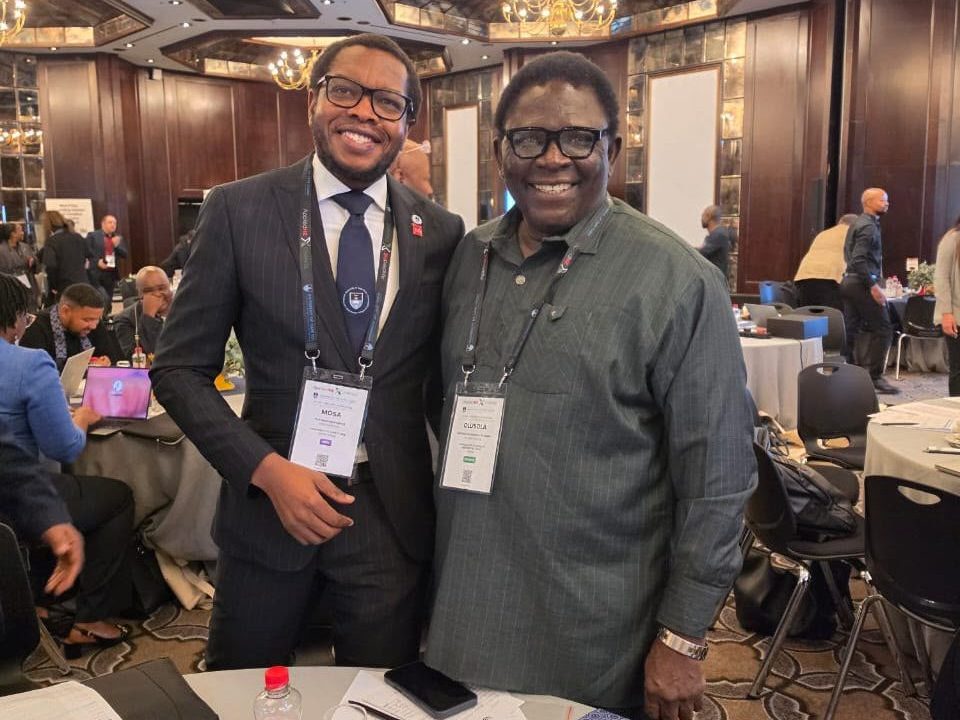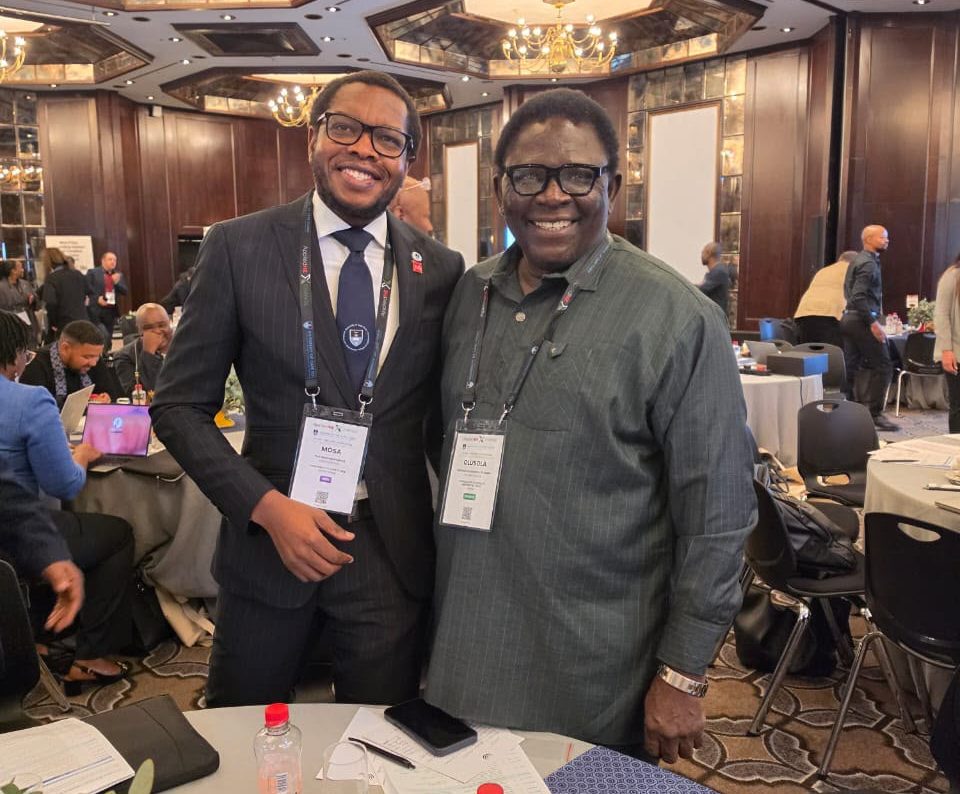
AAU Celebrates Five African Institutions Recognised for Higher Education Transformation
September 24, 2026
AAU and University of Dar es Salaam Convene Continental Workshop on Building Safer and More Resilient University Communities
September 25, 2026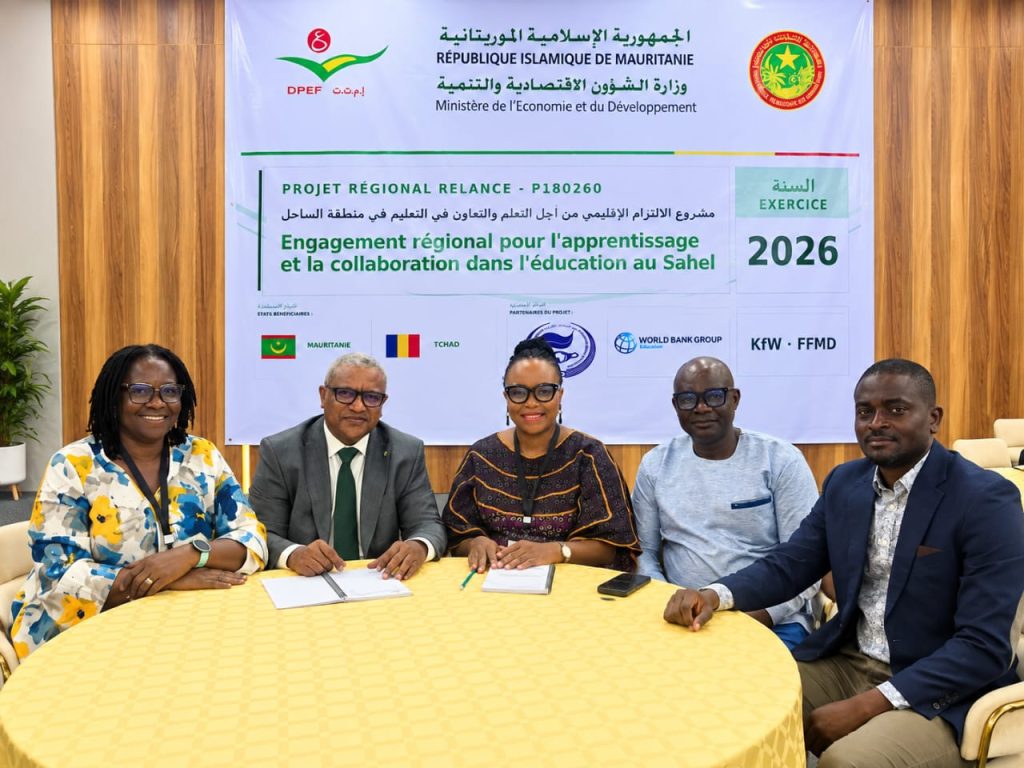
Project office, implementation team and regional missions advance as RELANCE moves from foundations to delivery
The Association of African Universities (AAU) has concluded a Hosting Agreement with the Government of Chad. This milestone provides the basis for establishing and operationalising the project office in N’Djamena. It also marks the transition of the Sahel Regional Engagement for Learning and Collaboration in Education (RELANCE) project from foundational arrangements towards operational implementation.
The agreement caps a period of sustained institutional preparation by the AAU, which has advanced the human, operational, and physical foundations required for efficient delivery on the ground.
RELANCE is a regional initiative designed to strengthen education systems and expand access to learning and employment opportunities for vulnerable youth across the Sahel. Funded by the World Bank and the Federal Republic of Germany, in collaboration with the governments of Chad and Mauritania, the project represents an investment of 137 million dollars and adopts a coordinated continental approach to addressing systemic education challenges while advancing inclusion, resilience, and long-term impact. The AAU leads the project’s implementation as the Regional Facilitation Unit, providing strategic oversight and coordination across the region.
Why RELANCE matters
The scale of the challenge RELANCE seeks to address explains the investment. The World Bank Project Appraisal Document identifies limited capacity for education planning, policymaking, and implementation as a key constraint in the Sahel, with large numbers of young people remaining outside education, employment, or training. In Chad and Mauritania, where RELANCE focuses, approximately 5.1 million young people aged 10 to 18 are estimated to be out of school, a situation projected to worsen significantly if decisive action is not taken.
The urgency is further underscored by stark regional realities. In the Central Sahel, one in three young people is out of school. In Chad, 57 per cent of primary-school-aged children are out of school, while in Mauritania, 45 per cent of secondary-school-aged youth are not in school – constraints that reinforce cycles of poverty and vulnerability. Globally, 46 per cent of school-aged refugee children are out of school, and access to higher education remains extremely limited.
RELANCE responds through a regional approach that combines stronger education-system management with more flexible pathways into education for vulnerable youth. Its Project Development Objective is to strengthen the management capacity of education systems and expand access to educational opportunities for vulnerable youth.
At the centre of that response is the Regional Open School, designed to provide flexible and resilient education pathways for vulnerable youth – particularly nomadic populations, refugees, internally displaced persons, and other out-of-school youth. The model combines face-to-face support with print, offline, and online digital resources, with a focus on climate resilience and digital learning. The project is designed to benefit 850,000 out-of-school youth aged 10 – 18, with half of them expected to be girls. Its first generation of programmes will span youth literacy, accelerated remedial education, secondary education, and skills development and vocational training.
At the same time, RELANCE seeks to strengthen the systems that make sustainable education delivery possible. Its regional component will support applied research, training, policy advice, and knowledge sharing through a regional institute for applied research, policy advisory, and training, benefiting at least 1,500 education professionals across both countries, while strengthening education planning and management capacity.
The project places a strong emphasis on gender equality, promoting girls’ enrolment and retention through targeted incentives and the development of gender-responsive learning environments.
Building delivery capacity
A key part of AAU’s preparations has been the recruitment of a multidisciplinary project team. Recruitment is well advanced for eight positions: Financial Management Specialist, Project Accountant, Procurement Specialist, Logistics Officer, Monitoring and Evaluation Specialist, Communication Specialist, Environmental and Social Safeguards Specialist, and Gender-Based Violence Specialist. The team, including the Project Coordinator, will oversee the day-to-day implementation of the project in Chad. The range of expertise reflects the breadth of requirements involved in delivering a project operating across education, fiduciary management, monitoring, communication, logistics, environmental and social safeguards, and gender-related considerations.
The project is being coordinated by Dr Abass Youba Sylla, an AAU staff member from Mauritania with extensive experience in managing large-scale development initiatives. He will be based in the Project Secretariat in Chad.
This country-level capacity complements the broader implementation architecture outlined in the project design. The PAD provides for National Implementation Units in the participating countries, with the technical and fiduciary capacity required to support country-based activities, while an AAU-based Regional Implementation Unit provides regional facilitation, overall project management, and monitoring and evaluation.
The AAU has also moved to establish the physical infrastructure needed to support implementation. A mission is being planned to Chad to support the establishment and operationalisation of the N’Djamena office. Working with relevant counterparts, the mission will address key operational requirements, including the identification and preparation of suitable office premises, procurement of furniture and equipment, security arrangements, and other administrative and logistical needs. These preparations are intended to ensure that the office is ready to receive the project team and provide a functional base for implementation.
The establishment of the N’Djamena office is consistent with the project’s implementation design. The PAD specifically provides for the AAU to establish an office in N’Djamena to facilitate RELANCE activities, alongside responsibilities for monitoring and evaluation, verification of results, cross-country benchmarking, communications, and safeguards support.
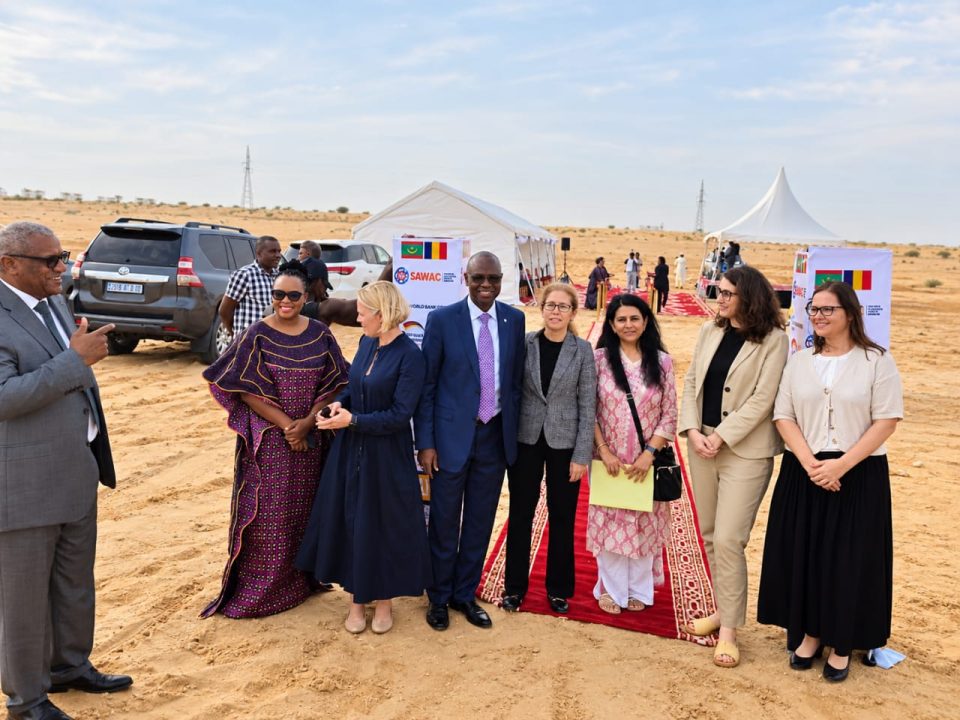
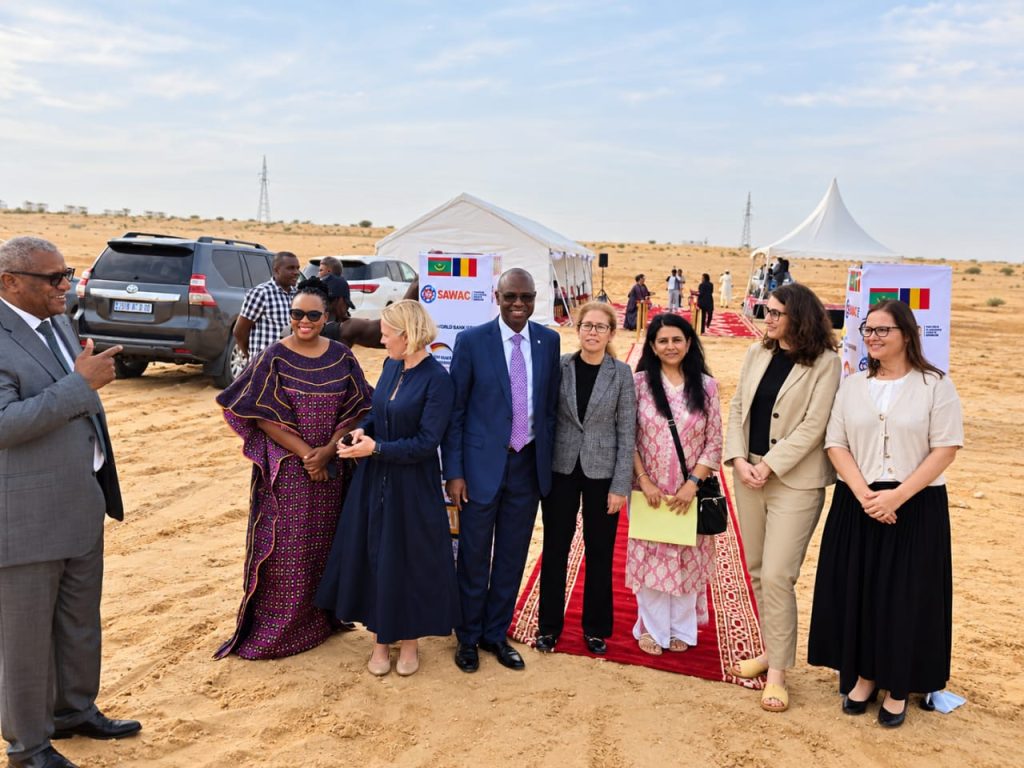
In parallel, AAU’s regional footprint has advanced beyond Chad. From 15 to 25 September 2026, AAU Director of Special Projects, Dr Sylvia Mkandawire, led an implementation support mission to Nouakchott, Mauritania. The mission reflects the project’s two-country design and the AAU’s role in coordinating implementation across Chad and Mauritania simultaneously, ensuring that preparations in one country reinforce, rather than lag behind, the other.
From foundations to delivery
For the AAU, establishing the N’Djamena office and building the project team are more than administrative milestones. They are part of creating the institutional capacity through which the wider objectives of RELANCE can be pursued.
With the Hosting Agreement concluded, the recruitment of the project team well advanced, and the ongoing preparation of the N’Djamena office, the AAU is moving Sahel RELANCE from foundational arrangements towards operational implementation in Chad. The emerging project structure provides a platform for closer coordination with national counterparts and for translating the project’s regional vision into practical education opportunities and stronger systems for vulnerable communities.