
Sahel RELANCE Moves into Implementation as AAU Concludes Chad Hosting Agreement
September 25, 2026
AAU and European Union Launch €60 Million SRiA Initiative to Transform African Higher Education
September 25, 2026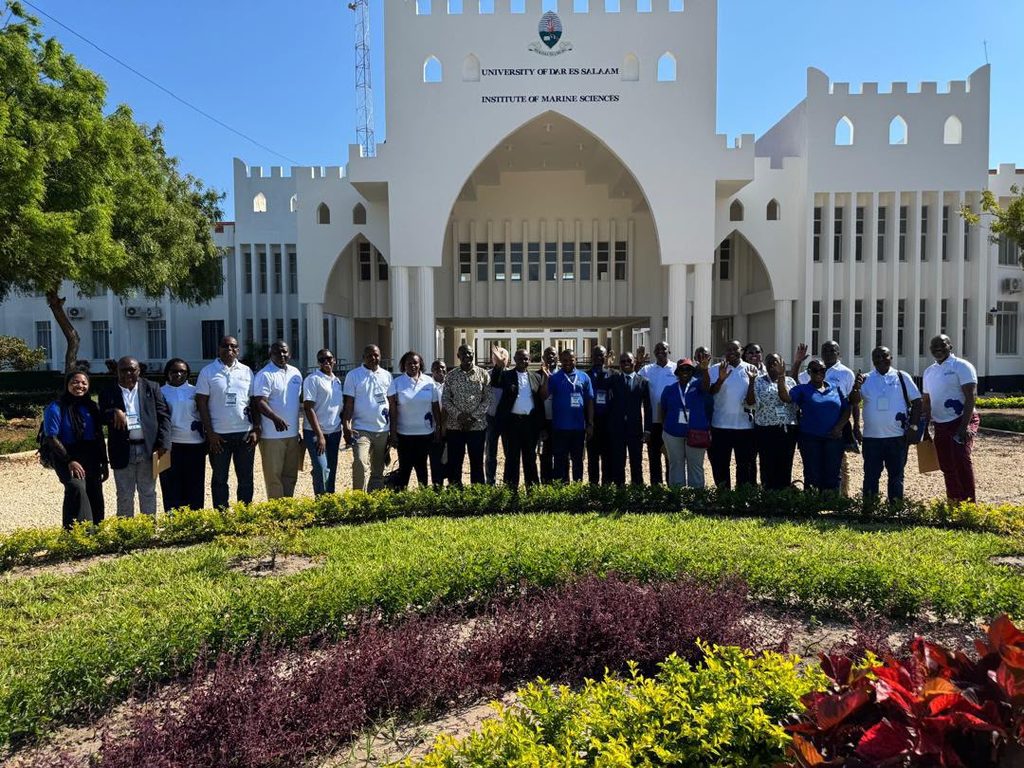
Continental workshop advances coordinated action on emerging security threats facing higher education
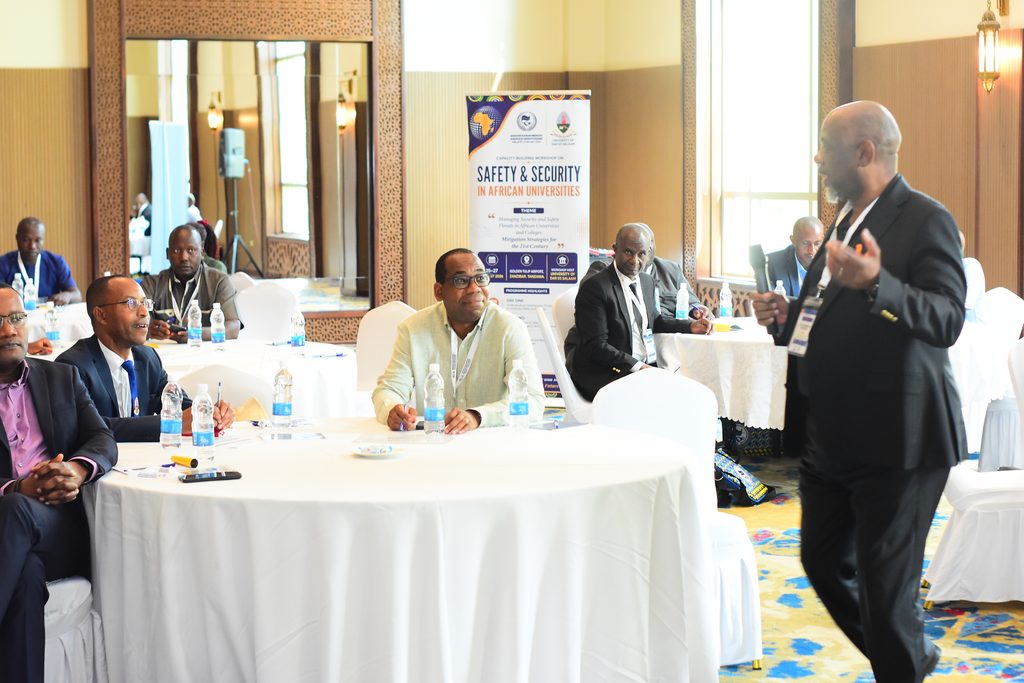
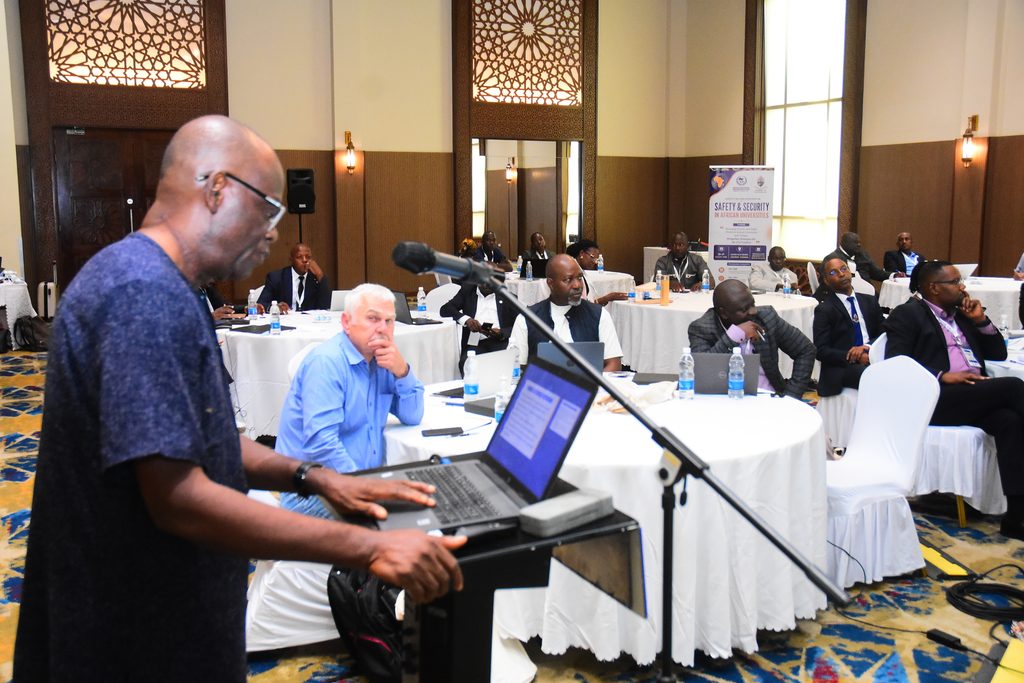
Zanzibar, Tanzania – As African universities expand their reach and embrace digital transformation, they are confronting an increasingly complex security landscape that demands urgent, coordinated action. Recognising this imperative, the Association of African Universities (AAU), in partnership with the University of Dar es Salaam, convened a landmark Capacity Building Workshop on Safety and Security in African Universities from 25 to 27 August 2026 in Zanzibar.
Held under the theme “Managing Security and Safety Threats in African Universities and Colleges: Mitigation Strategies for the 21st Century,” the workshop brought together 30 senior leaders, security professionals, and higher education stakeholders from 15 universities across Ghana, Kenya, Nigeria, South Africa, Uganda, Zimbabwe, and Tanzania. The three-day engagement served as a strategic platform for examining emerging threats, sharing institutional best practices, and identifying actionable approaches to strengthening campus safety and institutional resilience across the continent.
In his opening address on behalf of the Vice Chancellor of the University of Dar es Salaam, Professor Nelson Boniface, Deputy Vice Chancellor for Research, underscored that university security must transcend conventional physical protection. He called for a holistic framework encompassing digital security, psychological wellbeing, safeguarding, emergency preparedness, and respect for human dignity.
“Education, research, and innovation cannot flourish where safety is uncertain,” Professor Boniface stated, urging institutions to adopt stronger policies, robust emergency response systems, effective safeguarding mechanisms, and deeper continental collaboration.
Navigating an Evolving Threat Landscape
Participants examined a broad spectrum of challenges confronting university communities, including theft, assault, sexual harassment, substance abuse, examination malpractice, cybercrime, fraud, social engineering, impersonation, kidnapping, and protest-related unrest. Mr. Stephen Ngobeni, Managing Director of the Campus and Schools Safety Training Institute (CASSTI), observed that growing university enrolment is often outpacing institutional security capacity, with many institutions facing critical gaps in resources, training, reporting mechanisms, and security technology. A central consensus emerged: universities must transition from reactive responses to continuous risk assessment, prevention, and preparedness.
The workshop placed significant emphasis on the transformative impact of artificial intelligence and cybersecurity. Julie Govinda of Learning Curve examined the risks associated with “shadow AI” – the unregulated use of publicly available AI platforms by staff and students, potentially exposing confidential information, unpublished research, and intellectual property. The session underscored the urgent need for clear institutional AI policies, approved tools, and heightened awareness of responsible AI use.
Dr. Thomas Philip Songu, Head of IT at the AAU, detailed a range of cyber threats including phishing, ransomware, malware, business email compromise, and data breaches. He emphasised that cybersecurity is a leadership responsibility, requiring robust policies, comprehensive risk assessments, continuous awareness training, access controls, multi-factor authentication, secure backups, and effective incident response systems. “Building a cybersecurity culture where people, processes, and technology work in concert is essential to institutional resilience,” Dr. Songu noted.
Beyond conventional security concerns, Dr. Emmanuel Kennedy Ahorsu, Senior Research Fellow at the Legon Centre for International Affairs and Diplomacy (LECIAD), University of Ghana, examined epidemic and pandemic preparedness, drawing critical lessons from the Ebola and COVID-19 crises. He urged universities to institutionalise public health preparedness rather than allowing emergency measures to dissipate after crises subside. Sanitation, overcrowded accommodation, ventilation, healthcare capacity, and student mobility were identified as key vulnerability areas. Discussions on violent extremism and radicalisation highlighted the importance of understanding local contexts and addressing the socio-economic factors that contribute to vulnerability. Participants called for stronger awareness campaigns, early warning systems, coordination with national authorities, and meaningful engagement with students and communities. Universities in remote, border, or historically insecure areas were identified as requiring location-specific risk assessments and tailored preparedness measures.
Institutional Models and a Collective Path Forward
A key message emerging from the workshop was that security cannot rest solely with professional security personnel. Mr. Ngobeni highlighted the invaluable role students can play in identifying and reporting emerging concerns, given their close interaction with peers. Participants stressed, however, that student safety structures must complement – not replace – professional security. Student marshals should report concerns and support communication rather than investigate cases, confront offenders, or exercise police powers. Peer trust was recognised as particularly valuable in sensitive matters such as gender-based violence, harassment, and interpersonal concerns.
Participating universities showcased practical approaches to strengthening campus security. Mr. Johan Boonzaaier, Director of Security Services at the University of Pretoria, presented an integrated security model spanning seven campuses, combining a 24-hour control room, investigations, access control, security technology, and event management. Its Operational Management Centre integrates CCTV, alarms, and access control while coordinating responses to criminal, medical, and other incidents. The university also employs awareness campaigns, safer movement routes, and partnerships with external law enforcement and community structures. KCA University shared its approach to integrating security policies, risk management, incident reporting, CCTV procedures, data protection, and collaboration with external security agencies, reinforcing the importance of combining people, policies, technology, and partnerships rather than relying on any single security measure.
An AAU presentation on smart campus technologies explored the potential of intelligent CCTV, AI video analytics, Internet of Things sensors, smart lighting, biometrics, digital identification, visitor management, and integrated security operations centres. Participants were encouraged to consider how technology can improve incident detection, response, and situational awareness, while recognising that effective implementation requires appropriate governance, cybersecurity, skilled personnel, and sustainable investment.
The workshop translated discussions into practical action through a regional group exercise on campus crime challenges and mitigation measures. Proposed interventions included stronger access control, CCTV expansion, improved lighting, awareness campaigns, confidential reporting systems, security training, hotspot identification, and emergency alert mechanisms. Participants also examined safeguarding as a broader institutional framework for protecting people, infrastructure, information, and the environment, with emphasis on participatory policy development, regular risk assessment, incident monitoring, and continuous review.
As African universities continue to expand and embrace new technologies, the nature of campus safety and security will continue to evolve. Addressing these challenges will require institutions to strengthen policies, invest in people and systems, improve preparedness, and build stronger partnerships across the higher education sector. By bringing universities together to share experiences and practical solutions, the AAU- University of Dar es Salaam workshop provided a vital platform for strengthening institutional capacity and resilience. Continued collaboration, knowledge sharing, and coordinated action will be critical to ensuring that African universities remain safe, secure, and fully capable of fulfilling their teaching, research, and innovation missions.
The Association of African Universities remains committed to supporting member institutions in building safer, more resilient university communities across the continent.