
Youth Urged to Lead Africa’s Water and Sanitation Agenda
June 16, 2026
AAU Champions Strategic Africa–Brazil Higher Education Partnership at Inaugural Rectors’ Forum in Brasília
June 16, 2026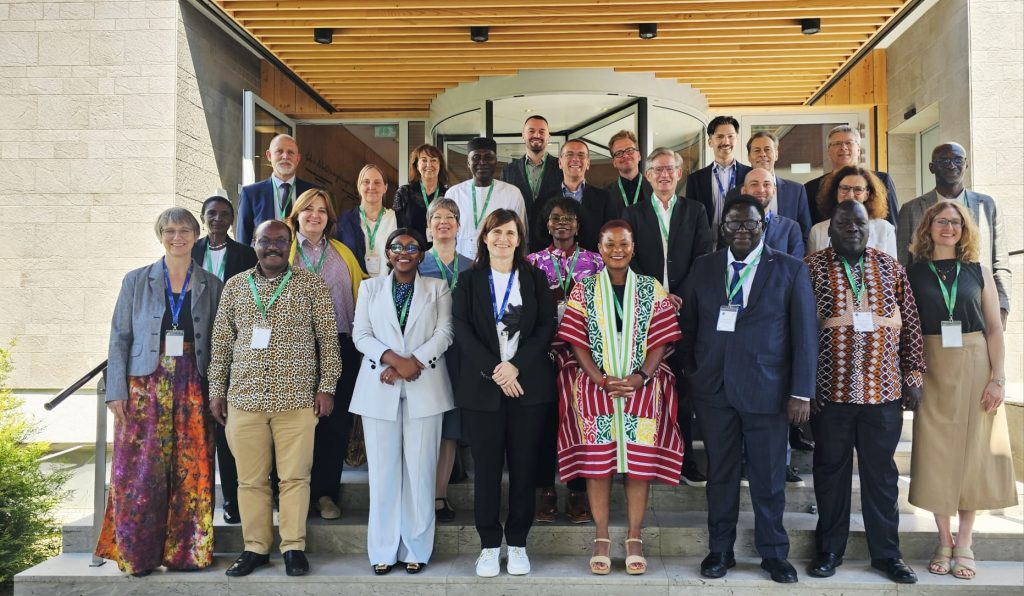
On June 8 and 9, the Association of African Universities (AAU) played a key role in shaping Africa-Europe higher education relations, as scholars, university leaders, policymakers, and agency heads convened in Bled, Slovenia. AAU’s active participation reaffirmed the Association’s unique position as the continental advocate for African leadership in global knowledge systems.
The Forum, Co-creating Knowledge with Africa: Towards a New Strategic Framework for Higher Education Cooperation,’ was jointly organised by the Centre of the Republic of Slovenia for Mobility and European Educational and Training Programmes (CMEPIUS) and German Academic Exchange Service (DAAD) to discuss concrete ideas for equity-based partnerships and ultimately publish a joint strategy paper on a shared vision of equitable cooperation.
Equity as Strategic Necessity
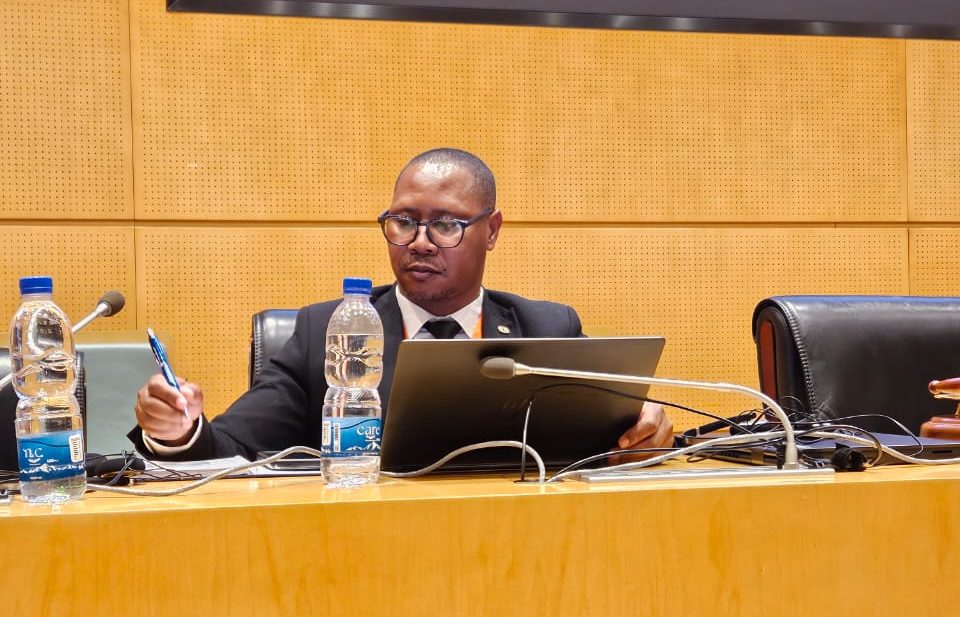
In his presentation on Equitable Cooperation in Reality: Best Practices and What to Learn About Them, AAU Secretary General – Professor Olusola Oyewole captured equity not as an aspirational ideal but as a strategic necessity. His central argument – ‘equity must be intentionally designed, not assumed,’ resonated with the hundreds of higher-education stakeholders present.
‘When all partners have a voice, a stake, and a role in shaping outcomes, cooperation moves from symbolic to transformative. Equitable partnerships are more innovative, more resilient, and more impactful.’
Prof. Oyewole’s address drew on programmatic evidence to define authentic partnership and identify persistent shortcomings. Citing some AAU-implemented regional programmes such as the Africa Centres of Excellence Initiative (ACE) and the Science Granting Councils Initiative (SGCI) he demonstrated that the most successful collaborations share a common thread: ‘African institutions lead in setting agendas, managing resources, and co-creating knowledge.’
Three Pillars of Equitable Cooperation
Prof. Oyewole articulated three concrete demands:
- Multidirectional mobility – Flows that move to and from multiple directions, not only from Africa to the Global North.
- Genuine governance participation – Structures that grant African partners real decision‑making power, not symbolic representation.
- Epistemic justice – Recognition of indigenous and local knowledge as legitimate and generative.
These principles, he argued, must be designed into cooperation frameworks from the outset. More than a personal intellectual contribution, Prof Oyewole’s address was a precise expression of AAU’s institutional mandate to advocate for African agency in global partnerships, facilitate intra-African collaboration, and promote frameworks that make equity a structural reality.
Every key message he delivered in Bled maps directly onto these institutional commitments. AAU’s presence at this forum was not incidental. It was essential. Its Secretary-General’s speech gave voice to the lived realities of African universities and translated programmatic lessons into actionable principles that can guide policy at the highest levels.
A Shared Platform of Continental and International Actors
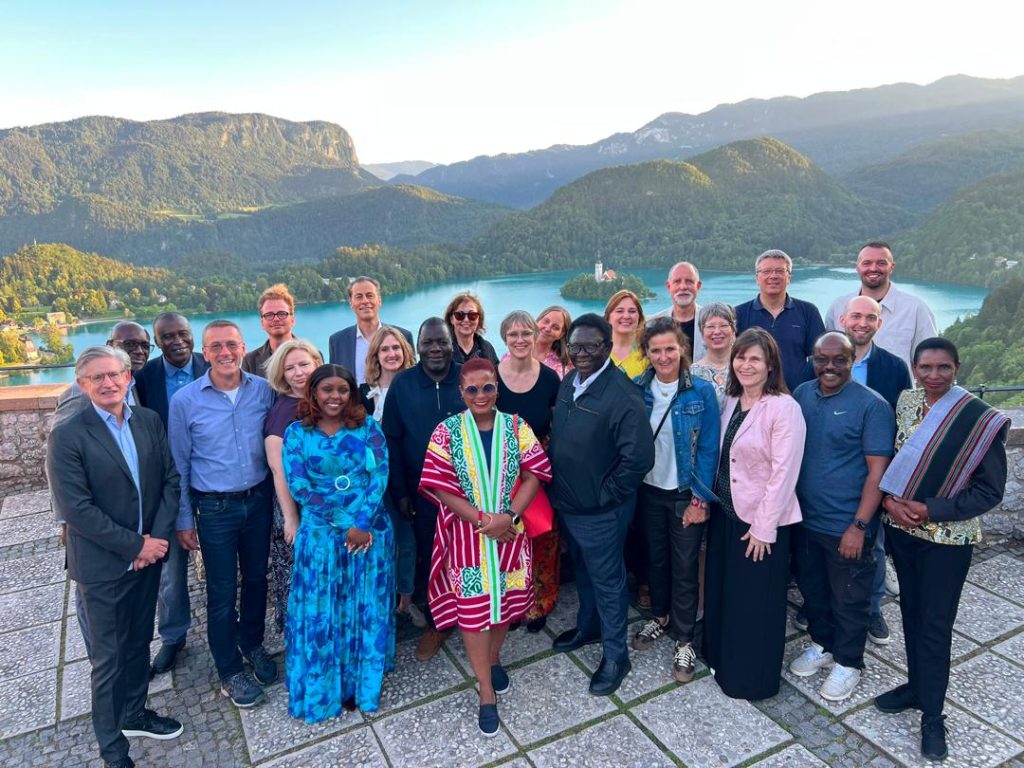
Prof. Olusola shared the platform with other impressive participants whose institutional missions converge on the same challenge.
- The African Union Commission, represented by its Director of Education, Science, Technology, and Innovation, Prof. Saidou Madougou, brought a continental governance lens.
- The African Network for Internationalisation of Education, the Southern African Regional University Association, and the Flemish Interuniversity Council represented complementary African and European institutional traditions of partnership-based cooperation.
- National Agencies from Finland, Austria, and the Czech Republic, alongside the British Council and the Guild of European Research-Intensive Universities, reflected a widening European coalition committed to more balanced engagement with Africa.
- University voices – from the University of Ljubljana, Université Libre de Bruxelles, Niger’s Abdou Moumouni University, and the Commission for University Education in Kenya – ensured that strategic discussions remained grounded in institutional reality.
From Berlin to Bled: A Growing Consensus
The Bled conference did not emerge in a vacuum; it is the direct sequel to an initial gathering held in Berlin in May 2025. The Berlin meeting planted the seed, initiating critical conversations about how Africa and Europe might reimagine their academic relationships – moving away from donor-recipient dynamics towards genuine partnerships of co-creation and mutual benefit.
Bled provided the backdrop for a decisive advance. Where Berlin posed the questions, Bled sought the answers; a credible, jointly authored blueprint for the way forward. The intended strategy paper, anchoring Africa-Europe cooperation in principles, will continue to shape policy and practice for decades to come.
The Bled conference affirmed a growing, cross-continental consensus: that the future of Africa-Europe higher education cooperation must be built on co-creation, mutual accountability, and shared ownership – not charity or extraction. The AAU, as always, stands at the centre of that effort, giving Africa’s universities a voice commensurate with their potential.