AAU and University of Dar es Salaam Convene Continental Workshop on Building Safer and More Resilient University Communities
September 25, 2026
Sod-cutting ceremony in Mauritania marks a new phase in building a regional institution for stronger education systems, shared knowledge and lasting reform across the Sahel
September 25, 2026The Study and Research in Africa initiative, unveiled at the EAIE Conference in Glasgow, will run until 2030 – building a visible, connected and globally competitive knowledge ecosystem across Africa and Europe.
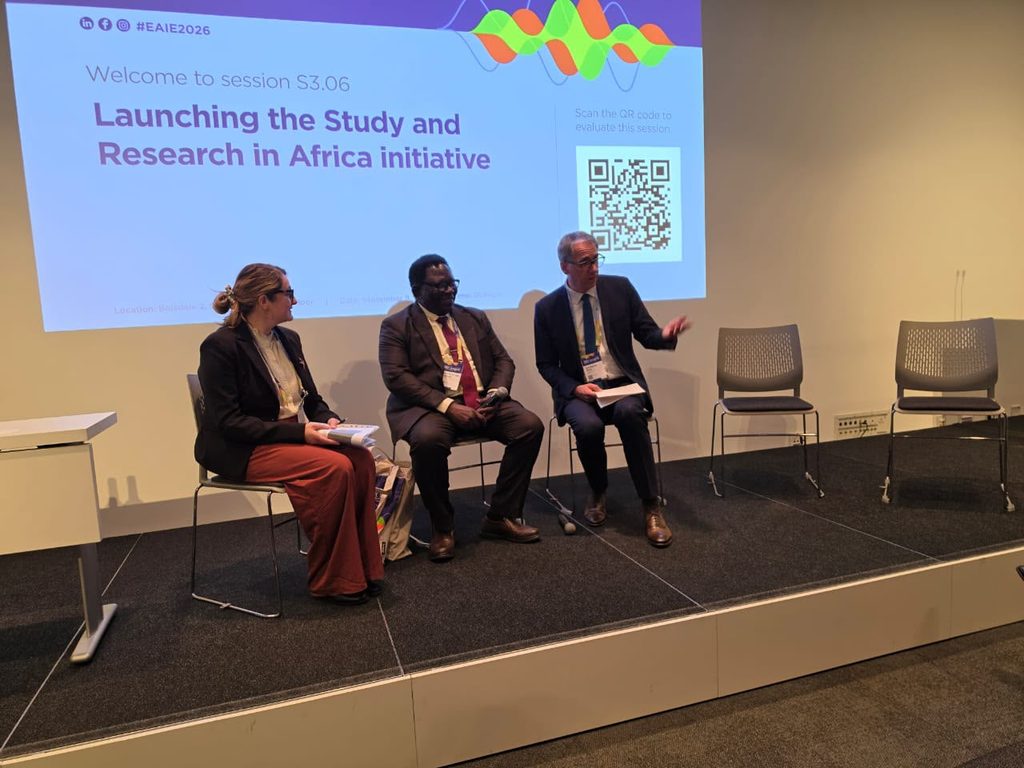
Glasgow, Scotland – The Association of African Universities (AAU) and the European Union have officially launched the Study and Research in Africa (SRiA) initiative, a €60 million, five-year partnership designed to reposition African higher education as a globally visible, connected and attractive destination for study, research and innovation.
Funded by the European Commission and running until 2030, SRiA is led by DAAD and AAU alongside European partners across multiple countries. The initiative forms part of the EU’s Global Gateway Youth Mobility Flagship and is built to strengthen the quality, relevance, responsiveness, inclusiveness, accessibility and attractiveness of African higher education institutions.
The launch was marked at the European Association for International Education (EAIE) Conference and Exhibition in Glasgow, held from 9 to 11 September 2026, which convened thousands of higher education professionals and stakeholders from around the world. The European Commission and the German Academic Exchange Service (DAAD) hosted a dedicated Study and Research in Africa Pavilion, showcasing African higher education and research to an international audience. Participating African organisations included the AAU, the African Research Universities Alliance (ARUA), the Inter-University Council for East Africa (IUCEA), the Southern African Regional Universities Association (SARUA) and the African Network for Internationalization of Education (ANIE).
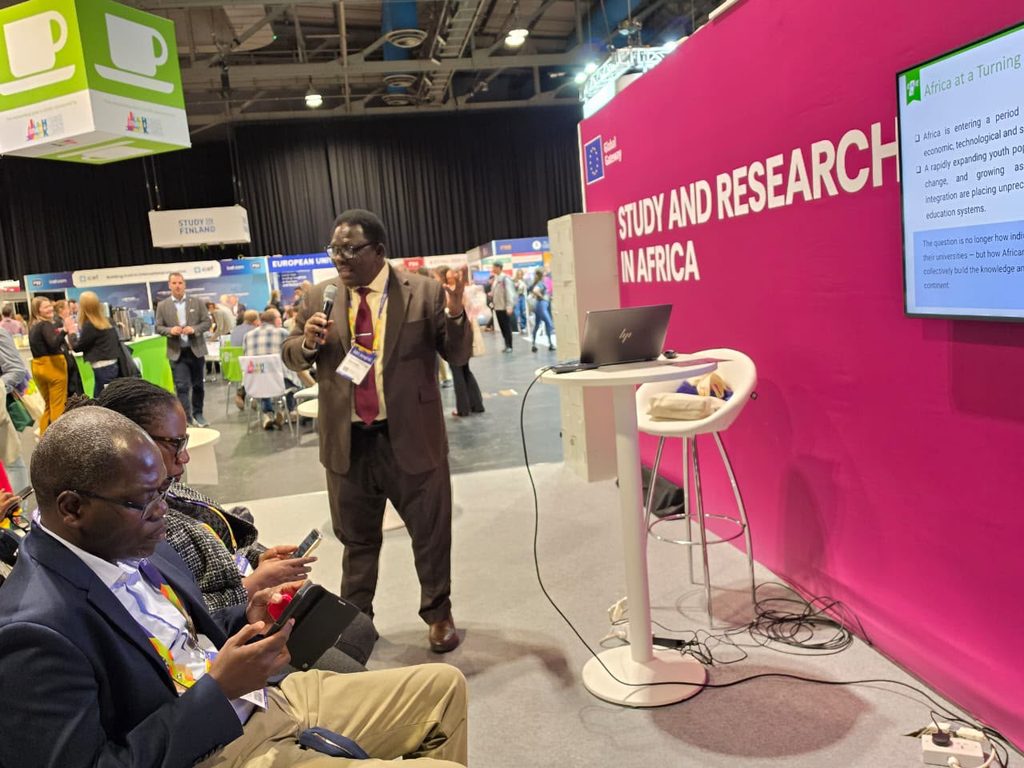
A partnership built on five strategic pillars
SRiA is not a single mobility programme or a conventional international partnership. It is a coordinated set of interventions designed to strengthen the entire ecosystem in which African universities operate. Its objectives rest on five pillars:
- Visibility – raising the global profile of African higher education and research
- Mobility – enabling students, researchers and staff to move across Africa and Europe
- Relevance – supporting universities to align curricula with Africa’s development needs
- Green and digital transition – advancing sustainable, digitally enabled higher education
- Innovation – repositioning African universities as centres of knowledge production for development
Delivering these pillars will require complementary work: better information on study and research opportunities, stronger internationalisation capacity within African institutions, improved data and information systems, greater institutional visibility, and closer links between universities and innovation ecosystems.
Why SRiA matters
Africa has a growing higher education sector, a substantial pool of researchers and academics, and universities contributing to research and innovation in areas critical to the continent’s development. Yet the visibility and accessibility of these opportunities do not always reflect the depth of expertise available.
Speaking at the launch, Prof. Olusola Oyewole, Secretary-General of the AAU, said the initiative’s significance extends well beyond attracting international students.
“This is about repositioning Africa as a place where people come to study, conduct research, innovate, collaborate and build their careers – a global knowledge ecosystem in which African universities are recognised not only as partners in international projects, but as destinations of choice for academic and research excellence.”
The AAU has emphasised that SRiA can create greater opportunities for African and European students, researchers and academic staff to build careers on the African continent, while strengthening Africa’s standing as a study and research destination.
From visibility to attractiveness
Being visible is only the first step. Universities must also demonstrate what makes them attractive to students, researchers and international partners. That requires clear information about academic programmes, accessible research profiles, reliable institutional data, effective international offices, strong student support systems and strategic partnerships – as well as the ability to communicate research excellence and show how it addresses African and global challenges.
For African institutions, SRiA is therefore also an invitation to examine their own internationalisation strategies and ask whether they are adequately prepared to welcome students, researchers and partners from across Africa and beyond.
An Africa-centred model of internationalisation
International partnerships have long played an important role in African higher education – supporting mobility, research collaboration, capacity building and knowledge exchange. But a stronger African higher education ecosystem requires partnerships that are genuinely mutually beneficial and that recognise African institutions as active contributors to knowledge creation.
That means creating opportunities for students and researchers to move within Africa, deepening collaboration between African universities, and ensuring international partnerships contribute to the long-term development of African institutions. African ownership, mutually beneficial cooperation and stronger institutional capacity to lead international partnerships sit at the heart of the SRiA approach.
The AAU’s role
The AAU’s participation in Glasgow reflects its broader role as a continental platform connecting African universities with international partners. With its extensive network across the continent, the Association is positioned to ensure that the priorities and experiences of African universities shape the design and implementation of initiatives affecting mobility, research and internationalisation.
The AAU’s contribution also reinforces the importance of ensuring that opportunities created through SRiA reach institutions across all regions and respond to the diversity of African higher education systems.
A forward-looking message from Glasgow
The Glasgow engagement offered more than an introduction to a new initiative. It opened a wider conversation about how Africa positions itself in the global knowledge economy.
For African universities, the challenge is not simply to attract more international partnerships. It is to strengthen the institutions, systems and environments that make Africa an attractive destination for study, research, innovation and talent.
SRiA provides a framework within which universities and their partners can work towards that ambition. For the AAU, it represents an opportunity to advance a vision of African higher education that is visible, connected, attractive and globally engaged – while remaining firmly rooted in African priorities and development needs.
The message from Glasgow was both timely and forward-looking: Africa has knowledge, talent and research capacity. The task ahead is to make these strengths more visible, accessible and connected to the world – and to ensure Africa is recognised not only as a source of knowledge, but as a destination for it.