
Water Security and Safe Sanitation: Why Africa’s Future Depends on Protecting Its Most Vital Resource
June 16, 2026
Youth Urged to Lead Africa’s Water and Sanitation Agenda
June 16, 2026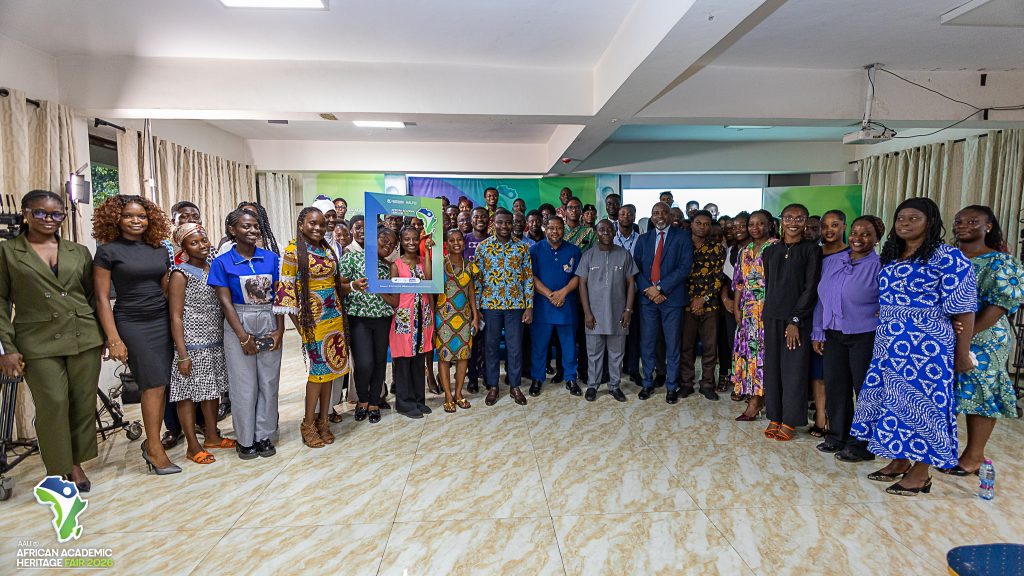
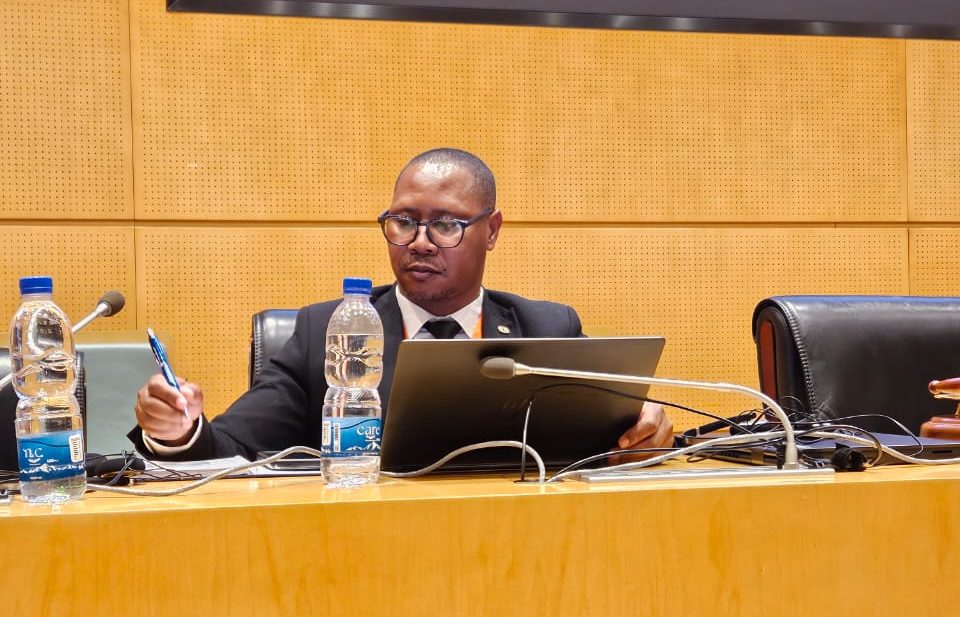
The third edition of the African Academic Heritage Fair (AAHF), convened by the Association of African Universities (AAU) in partnership with the Center for Global Africa (CGA), Enrich in Africa Center (EiAC), and sponsored by the Twellium Industrial Company Limited, highlighted the need for intensified partnerships to advance water security and sustainable development across the continent. The high-level gathering, held on May 25, 2026, at the AAU Secretariat in Accra, brought together over 150 participants—both physically and virtually—including academics, development partners, policymakers, and stakeholders from across Africa and beyond.
With a collective aim to advance African academic excellence, innovation, cultural heritage, and sustainable development through collaboration and knowledge exchange, the opening session featured distinguished speakers. These included Dr. Sylvia Mkandawire, Director for Special Programs at AAU; Prof. Kehinde O. Ogunjobi, Country Representative for Ghana, West and Central Africa, for the International Water Management Institute (IWMI) and Prof. Ezrah Aharone, Founder and Chairman of the Center for Global Africa (CGA).
Higher Education as a Strategic Platform
In her opening remarks, Dr. Sylvia Mkandawire welcomed participants and emphasized the significance of the Heritage Fair as a strategic platform aligned with the African Union’s Agenda 2063 vision of “The Africa We Want.” She observed that Africa’s transformation depends not only on its natural resources but also on the strength of its institutions, innovation systems, and partnerships. Highlighting the 2026 African Union theme on sustainable water availability and safe sanitation systems, she stressed that water insecurity, climate change, and poor sanitation continue to threaten health, education, food security, and economic development across the continent.
Dr. Mkandawire further underscored the critical role of African universities as centres of research, innovation, indigenous knowledge preservation, and leadership development. She called for stronger links between research, policy, industry, and communities to ensure that African-generated solutions are effectively implemented and scaled. The African Academic Heritage Fair, she noted, provides an important opportunity to amplify African scholarship, empower students, and strengthen partnerships among universities, governments, development agencies, industries, and the African diaspora.
Investment, Governance, and Innovation for Climate‑Resilient Water Security
Delivering the keynote presentation, Prof. Kehinde O. Ogunjobi focused on the urgent need to strengthen investments in water security and safe sanitation systems as foundations for climate resilience and human capital development in Africa. He painted a stark picture of Water, Sanitation, and Hygiene (WASH) conditions across the continent, noting that millions of Africans still lack access to safe drinking water and basic sanitation services. He also drew attention to the persistent challenge of open defecation in parts of West and Central Africa, warning that Africa remains far from achieving Sustainable Development Goal 6 due to slow progress and entrenched inequalities.
Prof. Ogunjobi explained that climate change and environmental degradation are intensifying Africa’s water challenges through rising temperatures, erratic rainfall, droughts, floods, and increasing pressure on agricultural systems and public health. He particularly drew attention to the harmful effects of illegal mining (“galamsey”), on water bodies and sanitation systems in Ghana. Water insecurity, he urged is not merely an environmental issue, but a broader development and governance challenge affecting livelihoods, food security, public health, and economic productivity.
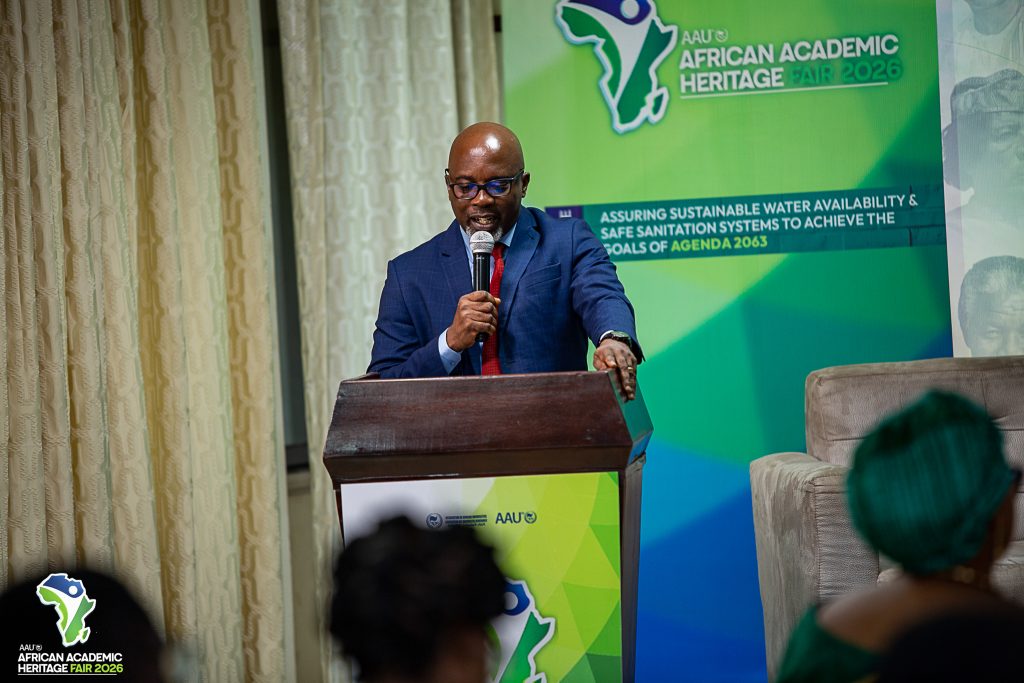
To address these challenges, he called for transformative and climate-resilient approaches to water management and sanitation. His recommendations included increased investment in WASH infrastructure, stronger governance and data systems, climate adaptation measures, and the use of digital technologies and nature-based solutions. He also highlighted IWMI’s ongoing work in drought forecasting, water-resource modelling, restoration of degraded ecosystems, and climate-smart irrigation initiatives across Africa.
Collective Responsibility and Diaspora Engagement
Delivering the second keynote address, Prof. Ezrah Aharone stressed the importance of collective responsibility and global collaboration in addressing Africa’s water and sanitation challenges. Speaking on behalf of the Center for Global Africa, he reaffirmed the organization’s commitment to supporting Africa’s development through academic partnerships, consulting, and practical engagement initiatives. He emphasized that Africa’s water challenges should not be viewed as the responsibility of Africans alone, but as a shared concern requiring support from the African diaspora and international partners.
Prof. Aharone identified effective governance, sound policymaking, education and innovation, infrastructure investment, and a broader understanding of water security as central to achieving sustainable development in Africa. He urged universities to move beyond traditional academic functions and become active centres for innovation, technology development, and problem-solving. He also called for stronger collaboration between academia, policymakers, industry, and the diaspora to transform research into practical, sustainable solutions.
A Renewed Commitment
The opening ceremony concluded with a renewed commitment to advancing African-led solutions, strengthening interdisciplinary partnerships, and empowering young people to drive innovation and sustainable development across the continent. Overall, the session established a strong foundation for meaningful dialogue, collaboration, and collective action toward achieving water security, sustainable sanitation, and the broader vision of “The Africa We Want” under Agenda 2063.