
Reimagining Internationalisation in African Higher Education
July 23, 2026
From Strategy to Execution: AAU Strengthens Digital Transformation Leadership in African Higher Education Through its Inaugural Executive Leadership Workshop
July 27, 2026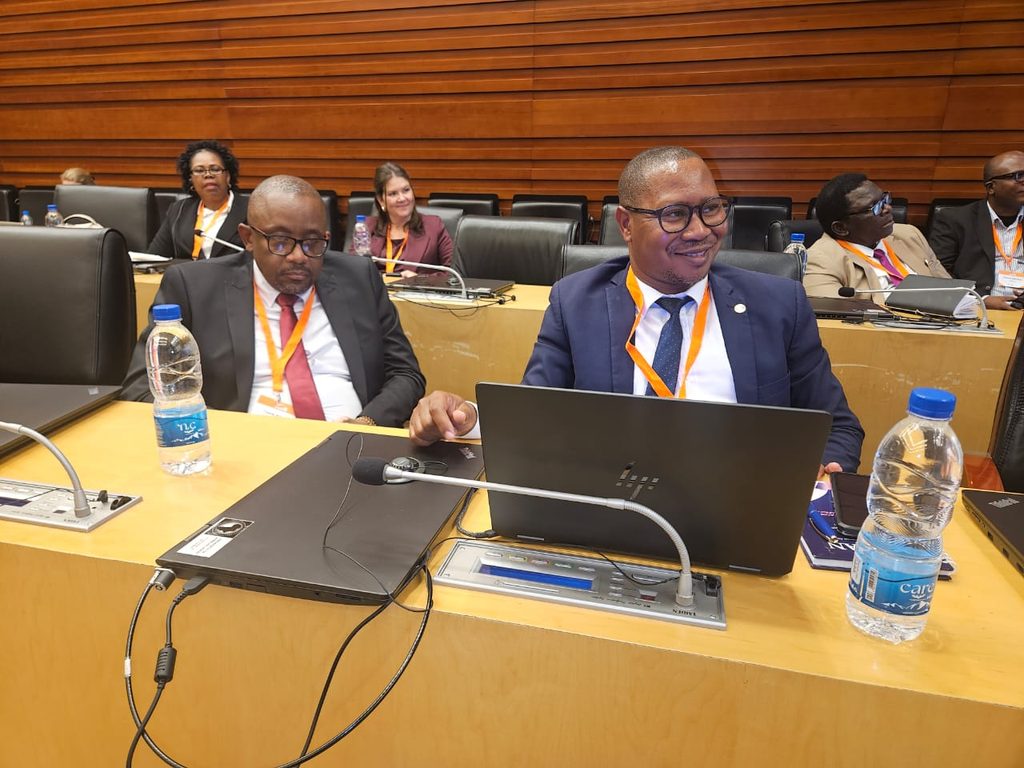
Preparing Africa’s graduates for a rapidly changing world of work requires more than introducing new programmes. It requires rethinking how the quality and relevance of education are assessed to ensure that graduates develop the knowledge, skills, and adaptability needed to respond to changing labour market demands.
This challenge was the focus of a panel discussion on “Quality Assurance of Emerging Disciplines and Future Skills Programmes” at the 2026 African Quality Assurance Network (AfriQAN) Annual Conference and General Assembly held on July 21-22, 2026, in Addis Ababa, Ethiopia. Experts from Kenya’s Commission for University Education (CUE), Cabo Verde’s Regulatory Agency for Higher Education (ARES), and Zambia’s Higher Education Authority (HEA), called for quality assurance systems across Africa to evolve beyond an emphasis on regulatory compliance and give greater attention to equipping graduates with the knowledge, skills, and competencies needed to thrive in a rapidly changing world of work.
The discussion reflects a broader priority for African higher education and aligns with AfriQAN’s commitment to advancing quality and relevance across the continent. As skills requirements continue to change, quality assurance will be critical not only in maintaining academic standards but also in ensuring that higher education responds effectively to Africa’s development needs.
Against this backdrop, experts called on higher education institutions to respond to these changes by redesigning curricula, adopting flexible learning pathways, strengthening internal quality assurance systems, and deepening collaboration with employers, professional bodies, and other stakeholders.
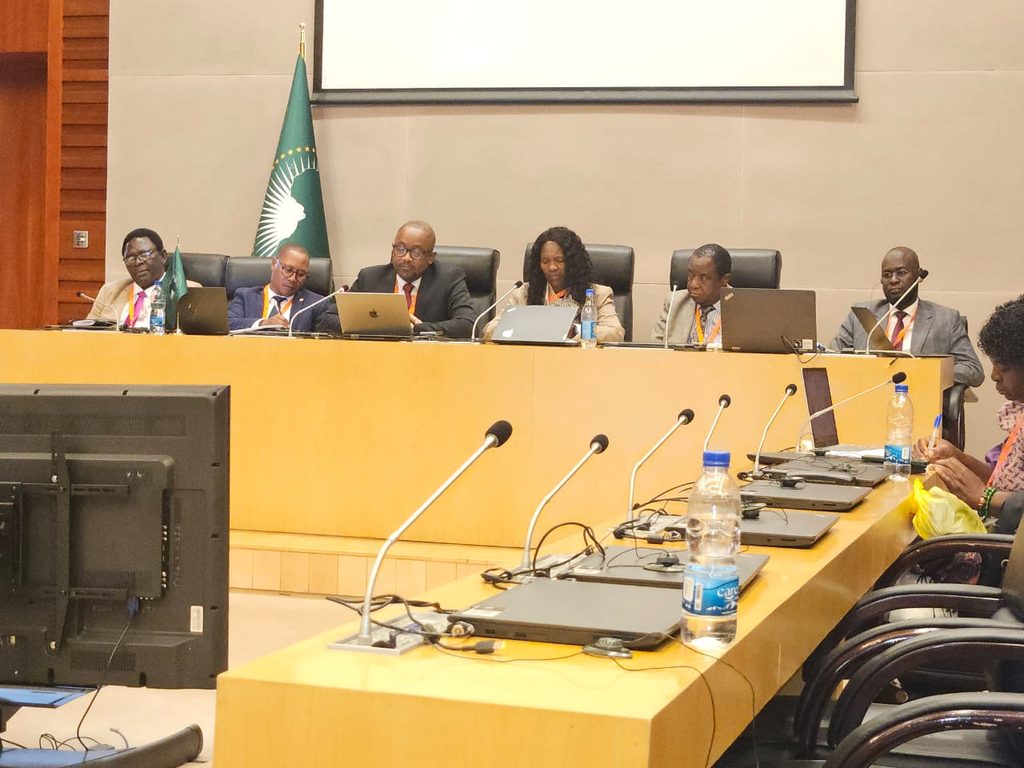
A more impact-driven approach to quality assurance was identified as central to this transformation. Contributors stressed the importance of graduate competencies, employability, adaptability, innovation, and societal contribution. Quality assurance frameworks, they noted, should go beyond assessing whether institutions meet regulatory requirements and should also examine how effectively universities prepare students to respond to evolving economic, technological, and social challenges.
Curriculum relevance was another key priority highlighted during the discussion. Universities were encouraged to redesign curricula to incorporate emerging areas such as artificial intelligence, data science, cybersecurity, sustainability, entrepreneurship, and communication skills. Experts also advocated for flexible learning pathways, including micro-credentials, lifelong learning opportunities, and recognition of prior learning, to ensure that programmes remain responsive to changing skills needs.
Strengthening internal quality assurance systems within higher education institutions was equally emphasised. Universities were encouraged to take greater responsibility for graduate outcomes by developing innovative teaching approaches, improving learning experiences, and working closely with employers, professional bodies, and other stakeholders to align academic programmes with industry and societal needs.
The role of regulatory agencies must also evolve. Experts pointed to the need for regulators to move from being primarily compliance-focused bodies to becoming partners in institutional improvement and innovation. By providing guidance, supporting reforms, and encouraging collaboration, regulators can help institutions develop quality systems that respond effectively to emerging challenges and opportunities.
Artificial intelligence was identified as both an opportunity and a challenge for higher education. While AI offers new possibilities for teaching, learning, and research, contributions stressed the need for responsible adoption, particularly in the redesign of assessment methods to protect academic integrity while encouraging authentic learning and creativity among students.
The session concluded that a flexible, forward-looking, and outcomes-focused quality assurance system is essential for preparing Africa’s graduates for the future of work. Through stronger institutional systems, innovative curricula, and collaboration among universities, regulators, employers, and other stakeholders, higher education institutions can play a critical role in supporting sustainable development across the continent.