The Future of Africa Will Be Decided in Its Universities
July 28, 2026
AAU Launches COREVIP 2027 and Diamond Jubilee Celebrations
July 29, 2026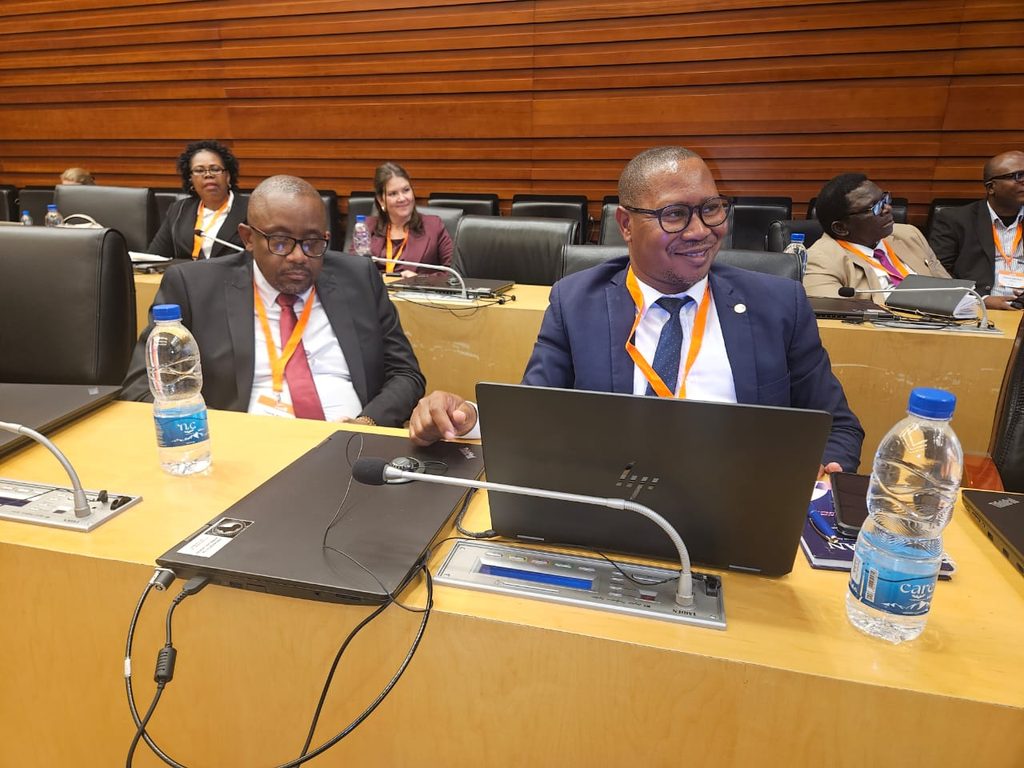
Regional quality assurance networks across Africa are strengthening collaboration to build greater trust and consistency within the continent’s higher education systems. This shared commitment was reinforced at a high-level session in Addis Ababa, Ethiopia, as part of the 2026 African Quality Assurance Network (AfriQAN) Annual Conference and General Assembly.
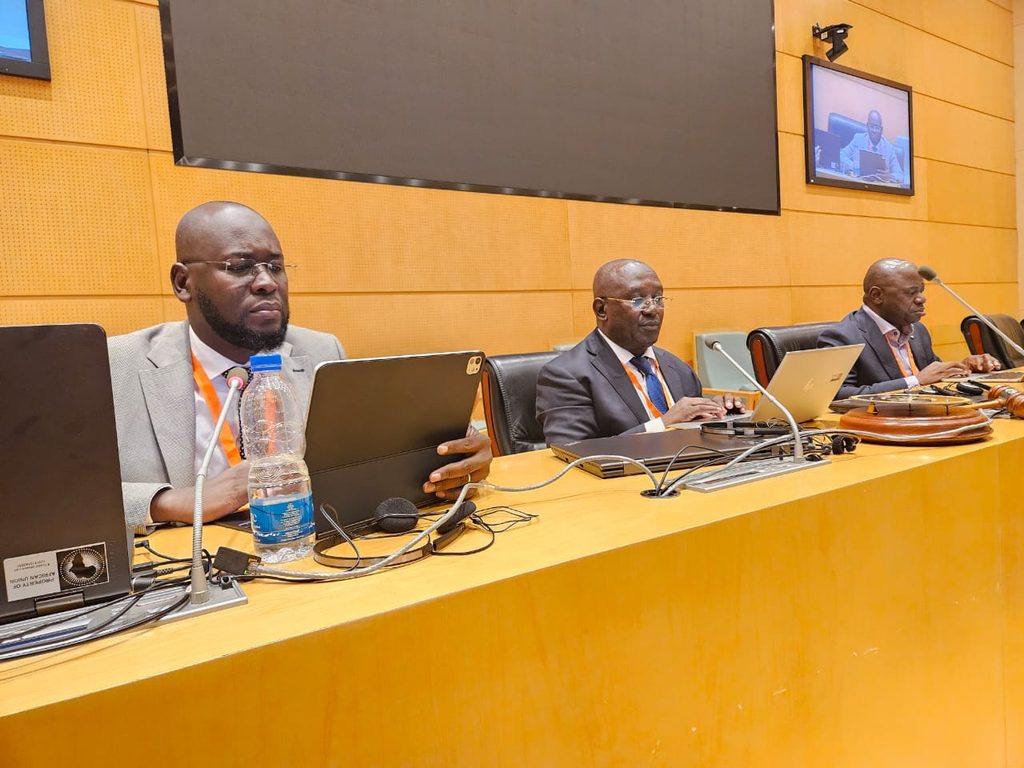
The session brought together representatives from the African Francophone Network of National Quality Assurance Agencies (RAFANAQ), the Southern African Quality Assurance Network (SAQAN), the East African Quality Assurance Network (EAQAN), the Réseau Africain des Responsables des Organismes d’Assurance Qualité de l’Enseignement Supérieur (RAQAES), and the Arab Network for Quality Assurance in Higher Education (ANQAHE). Participants shared experiences, achievements, and strategies for strengthening quality assurance across their respective regions while contributing to the broader vision of a harmonised African Higher Education Area, which seeks to promote greater comparability and recognition of qualifications across African countries.
A key theme throughout the discussions was the growing alignment of regional quality assurance systems with the African Standards and Guidelines for Quality Assurance (ASG-QA). Discussions also highlighted the objectives of the Harmonisation of African Higher Education Quality Assurance and Accreditation (HAQAA3) Initiative, in which the Association of African Universities (AAU) plays a key role in advancing quality assurance and harmonisation efforts across the continent.
Speakers emphasised that adopting common quality assurance principles while respecting regional and national contexts is essential for building trust, facilitating the recognition of qualifications, and supporting student and staff mobility across Africa.
The session highlighted significant progress made by the regional networks in advancing quality assurance. SAQAN showcased its strong governance structures and sustainable regional collaboration, while EAQAN reported training more than 3,500 university staff and establishing national chapters to strengthen quality assurance practices across East Africa. RAFANAQ highlighted its efforts to enhance cooperation among Francophone countries, whereas RAQAES outlined progress in governance and regional coordination. ANQAHE also shared its work in promoting cooperation, knowledge exchange, and the dissemination of good practices among quality assurance agencies in the Arab region.
Despite these achievements, participants acknowledged several common challenges affecting quality assurance systems across the continent. These include limited and unsustainable funding, shortages of qualified quality assurance professionals, differences in national regulatory frameworks, and the need to adapt quality assurance approaches to emerging trends such as online learning, artificial intelligence, and digital transformation. The shared nature of these challenges further underscores the importance of regional cooperation and the exchange of practical solutions across networks.
Speakers agreed that addressing these challenges will require stronger partnerships, increased investment in institutional capacity, and sustained collaboration among regional networks, governments, higher education institutions, and development partners. They also underscored the importance of sharing expertise and best practices to strengthen the resilience and effectiveness of quality assurance systems across Africa.
Looking ahead, the networks committed to prioritizing financial sustainability, expanding training and professional development initiatives, accelerating digital transformation, strengthening the implementation of the ASG-QA, and deepening collaboration with continental quality assurance initiatives and bodies responsible for the recognition of qualifications. These efforts, participants noted, will help create more coherent and responsive quality assurance systems that support excellence, innovation, and the international competitiveness of African higher education.
Beyond the regional networks featured in the session, the 2026 AfriQAN Annual Conference brought together quality assurance agencies, university leaders, policymakers, and development partners from across Africa to explore strategies for strengthening quality assurance and fostering greater cooperation within the continent’s higher education sector.
The discussions reinforced the important role of regional quality assurance networks in advancing Africa’s higher education agenda. By harmonising standards, sharing expertise, and strengthening cooperation across borders, these networks can help build greater trust in African higher education and ensure that qualifications and standards are more consistently recognised across institutions and countries.