
AAU Hosts British Council Delegation to Advance Higher Education Access in Sub Saharan Africa
July 17, 2026
More than a site visit: inside the PAQAA agency review process
July 20, 2026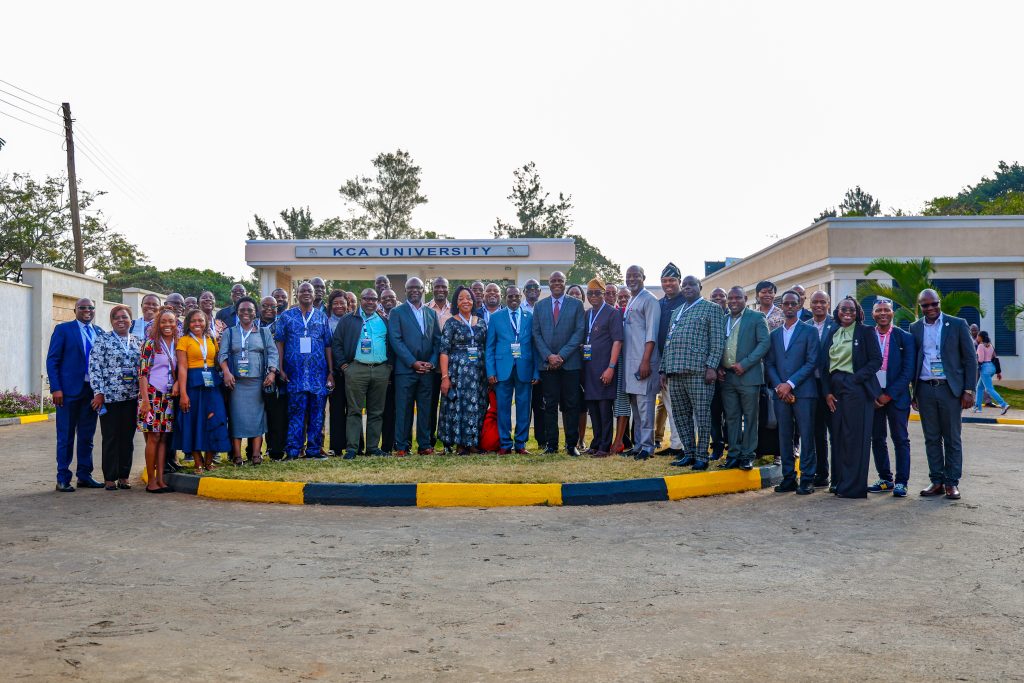
Ninety-nine higher education professionals from 36 institutions across Africa have called for stronger digital presence, improved institutional data and responsible adoption of artificial intelligence to enhance the global visibility of African universities.
The call emerged during the third Association of African Universities (AAU) training workshop on “Positioning Your University for Global Visibility,” held from July 14–17, 2026, at the Kenya School of Monetary Studies in Nairobi, Kenya.
Co-hosted by the AAU and KCA University, the four-day workshop brought together university leaders, communication professionals, researchers and higher education practitioners to address one of the persistent challenges facing African higher education institutions: despite their significant contributions to research and national development, many African universities remain globally under recognised.
Organisers described the challenge as one of institutions being “knowledge-rich but visibility-poor.” Weak digital presence, fragmented institutional data, incomplete staff profiles and limited accessibility of research outputs continue to prevent many universities from gaining the international recognition their work deserves.
Three Modules, One Shared Goal
The workshop was structured around three modules designed to move participants from understanding the concept of visibility to developing practical strategies for institutional improvement.
Professor Rosemond Boohene, immediate past Pro Vice-Chancellor of the University of Cape Coast in Ghana, facilitated the first two modules.
The first module explored the important distinction between visibility and reputation whether people can find an institution and whether they trust what they find.
Participants examined major global university ranking systems, including Times Higher Education (THE), QS, Academic Ranking of World Universities (ARWU) and Webometrics. Discussions also highlighted methodological limitations and biases that can disadvantage African institutions.
Facilitators stressed that rankings should not be treated as the ultimate goal for universities but rather as diagnostic tools that can help institutions identify areas requiring improvement.
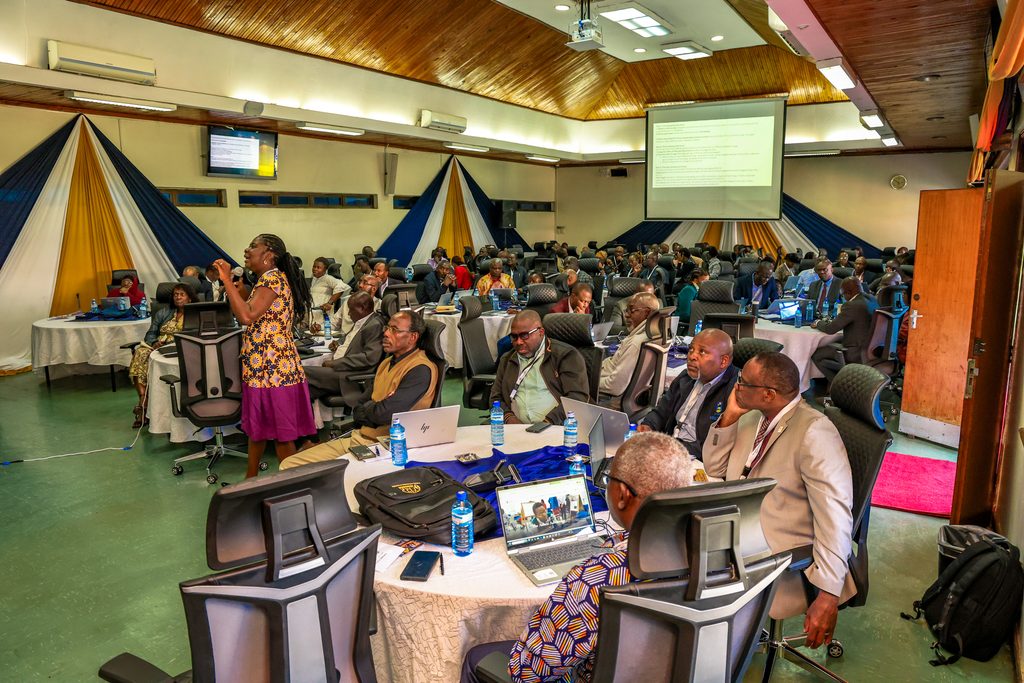
Participants conducted practical visibility audits and SWOT analyses, identifying common challenges such as outdated staff profiles, weak institutional repositories and limited online accessibility of research outputs. The sessions also helped institutions distinguish between immediate improvements and longer-term strategic investments.
Digital Branding and Research Visibility
The second module focused on digital branding, marketing and research visibility.
Participants explored tools such as ORCID and Google Scholar and discussed ways universities can strengthen the online presence of their researchers. Researchers, participants learned, can play an important role as institutional brand ambassadors when their academic work is properly profiled, shared and connected to their universities.
The module also highlighted the importance of internationalisation and the role of well-resourced international offices in building partnerships and increasing global recognition.
AI and the Future of Higher Education
The third module, facilitated by experts from Learning Curve, focused on artificial intelligence and digital transformation in higher education.
Sessions examined governance challenges surrounding AI adoption and explored practical applications of artificial intelligence in research, administration and communication. Participants also discussed the growing use of generative AI for websites, social media and research communication.
A session addressing the employability gap, which included insights from a contributor from the University of Pretoria, drew attention to the relationship between employer confidence in graduates and institutional reputation and visibility.
The discussions highlighted the growing importance of future-ready skills, including creativity, adaptability, communication and AI fluency, in preparing graduates for rapidly changing workplaces.
A Roadmap for Greater Visibility
The workshop concluded with six key recommendations for participating institutions and the AAU.
Universities were encouraged to:
- Conduct regular institutional visibility audits to identify gaps and prioritise action.
- Develop visibility roadmaps for 2026–2030 with SMART targets and clear governance structures.
- Invest in stronger digital presence through updated websites, search engine optimisation, complete staff profiles and active institutional repositories.
- Establish clear governance, ownership and verification processes for artificial intelligence.
- Embed future-focused skills such as creativity, adaptability, communication and AI fluency into academic programmes.
- Support the AAU in developing a continental Visibility Enhancement Framework and a proposed AAU Visibility Observatory.
From Visibility to Institutional Transformation
Organisers said the workshop had largely achieved its central objective of moving participants beyond conceptual discussions towards practical institutional action.
The key lesson from the Nairobi gathering was clear ; global visibility cannot be achieved through branding campaigns alone.
Instead, universities must build visibility through disciplined and continuous institutional practices, including strong academic outputs, accurate and accessible data, effective digital platforms, active international partnerships, responsible use of technology and a commitment to continuous improvement.
As African universities continue to expand their contributions to research, innovation and development, participants left Nairobi with a shared understanding that visibility is not simply about being seen it is about ensuring that the world can find, access and trust the knowledge and impact being produced across the continent.