Advancing Africa’s Higher Education Through Impactful Initiatives: The Transformative Contributions of the Africa Centres of Excellence Program
July 23, 2025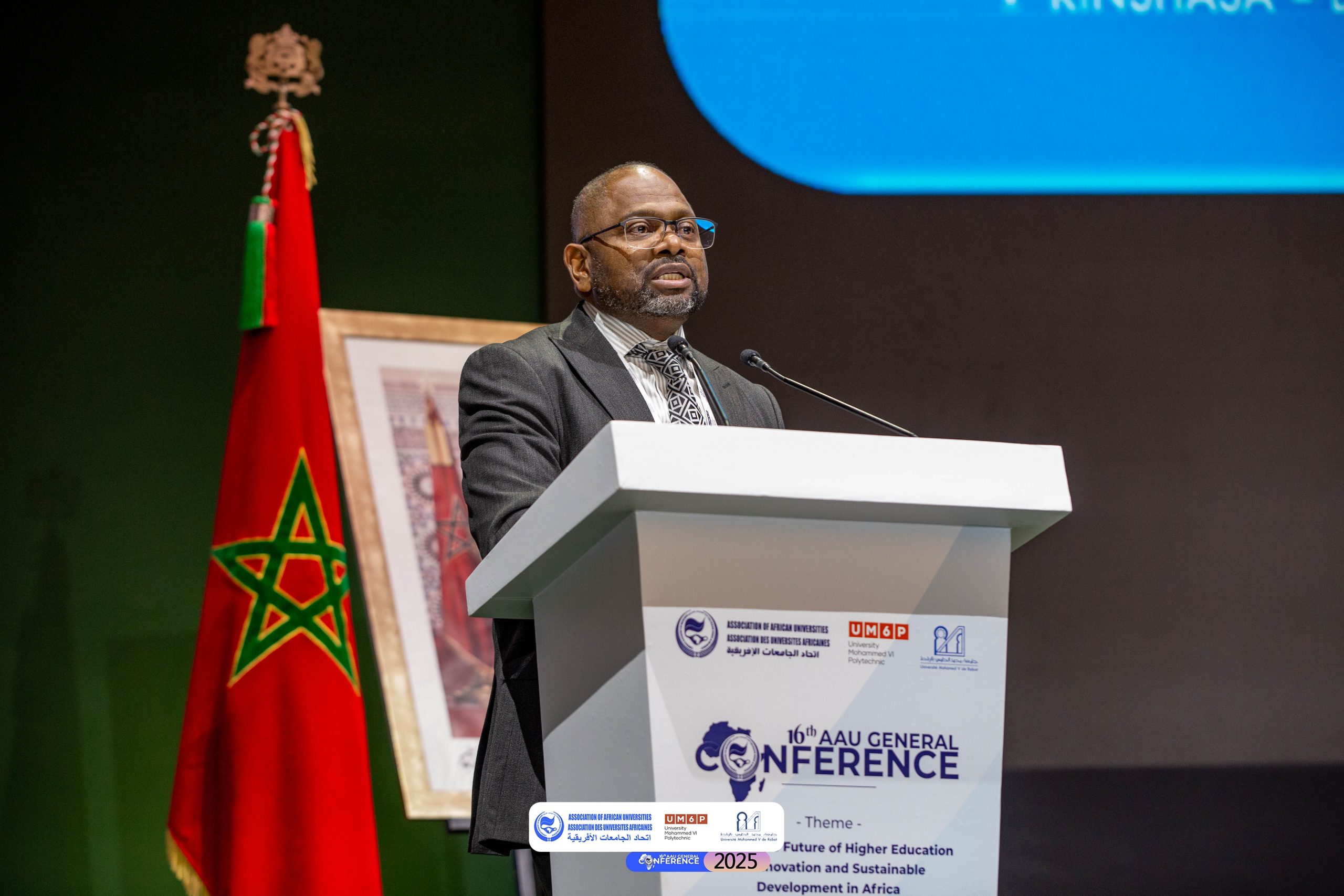
Leveraging Data to Transform Higher Education Across the Continent – Insights from the Demographics of African Faculty Project
July 24, 2025
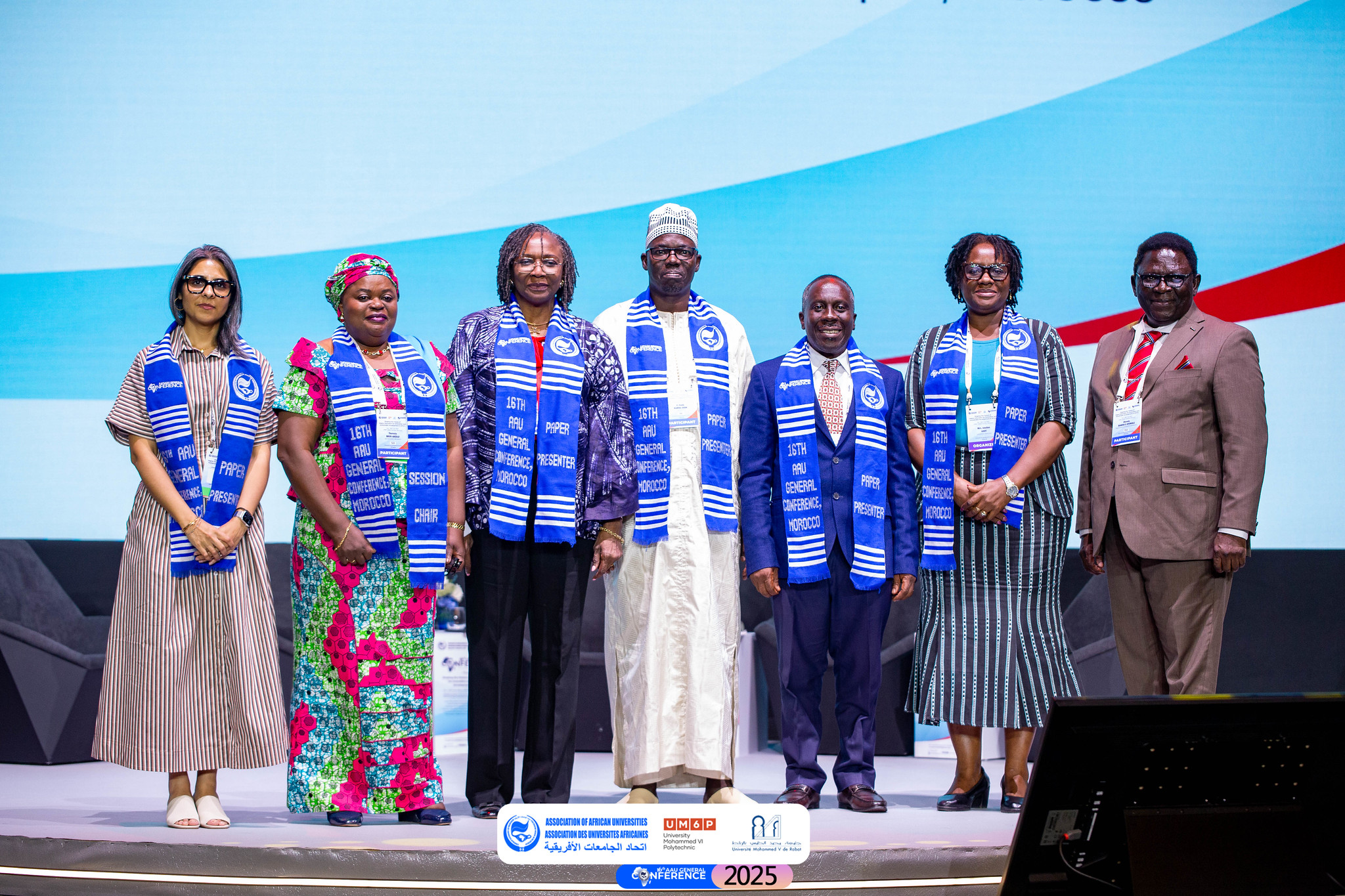
The 16th Quadrennial General Conference of the Association of African Universities (AAU), held in Rabat, Morocco, from July 21st to 25th, 2025, featured a compelling discussion focused on “Research Growth in Africa – The South African National Library and Information Consortium (SANLiC) Experience.” Chaired by Prof. Nana Aba Appiah Amfo, Vice-Chancellor of the University of Ghana, the session brought together distinguished academic leaders and industry stakeholders to discuss effective practical strategies to strengthen research capacity across African institutions.
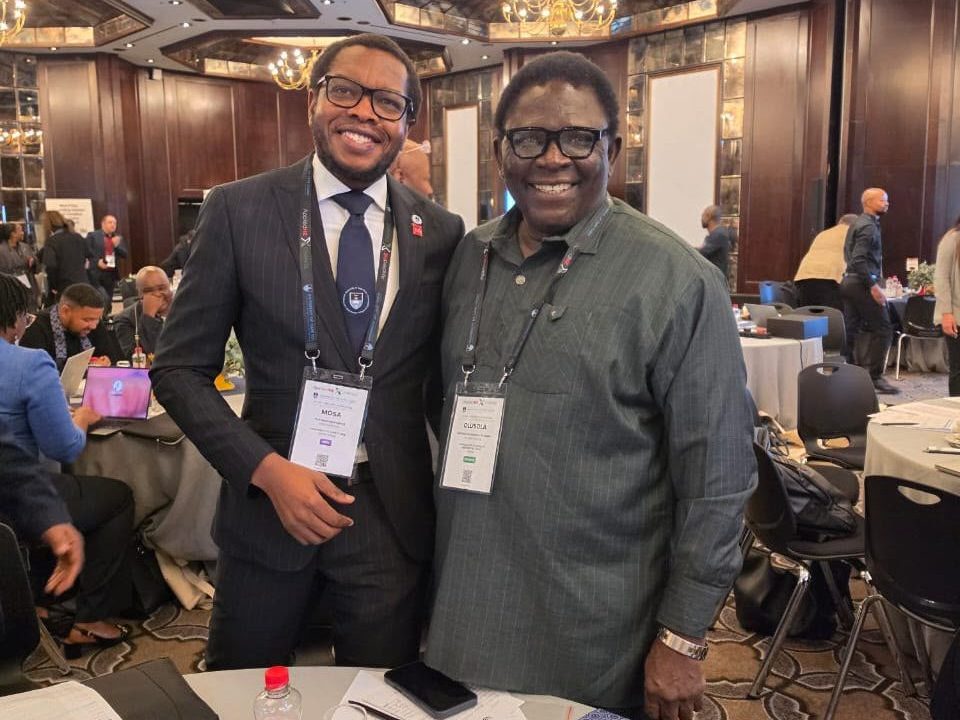
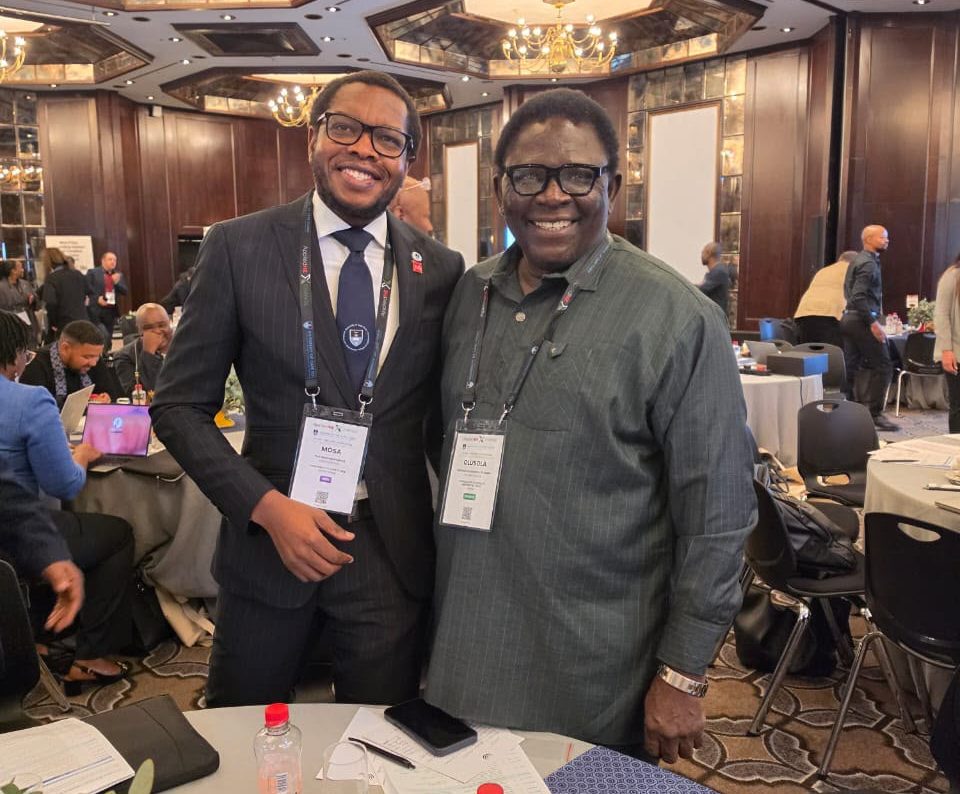
This high-level session underscored the vital role of collaborative partnerships, sustainable funding, and infrastructure in advancing Africa’s research visibility and impact. It featured an interactive panel discussion with high-level panelists, including Prof. Olusola Oyewole, Secretary General of the AAU; Ms. Nitasha Devasar, Managing Director for India and Vice President for the SASSA Region at Taylor & Francis; and Prof. Daisy Selematsela, Professor of Practice in Information and Knowledge Management at the University of Johannesburg.
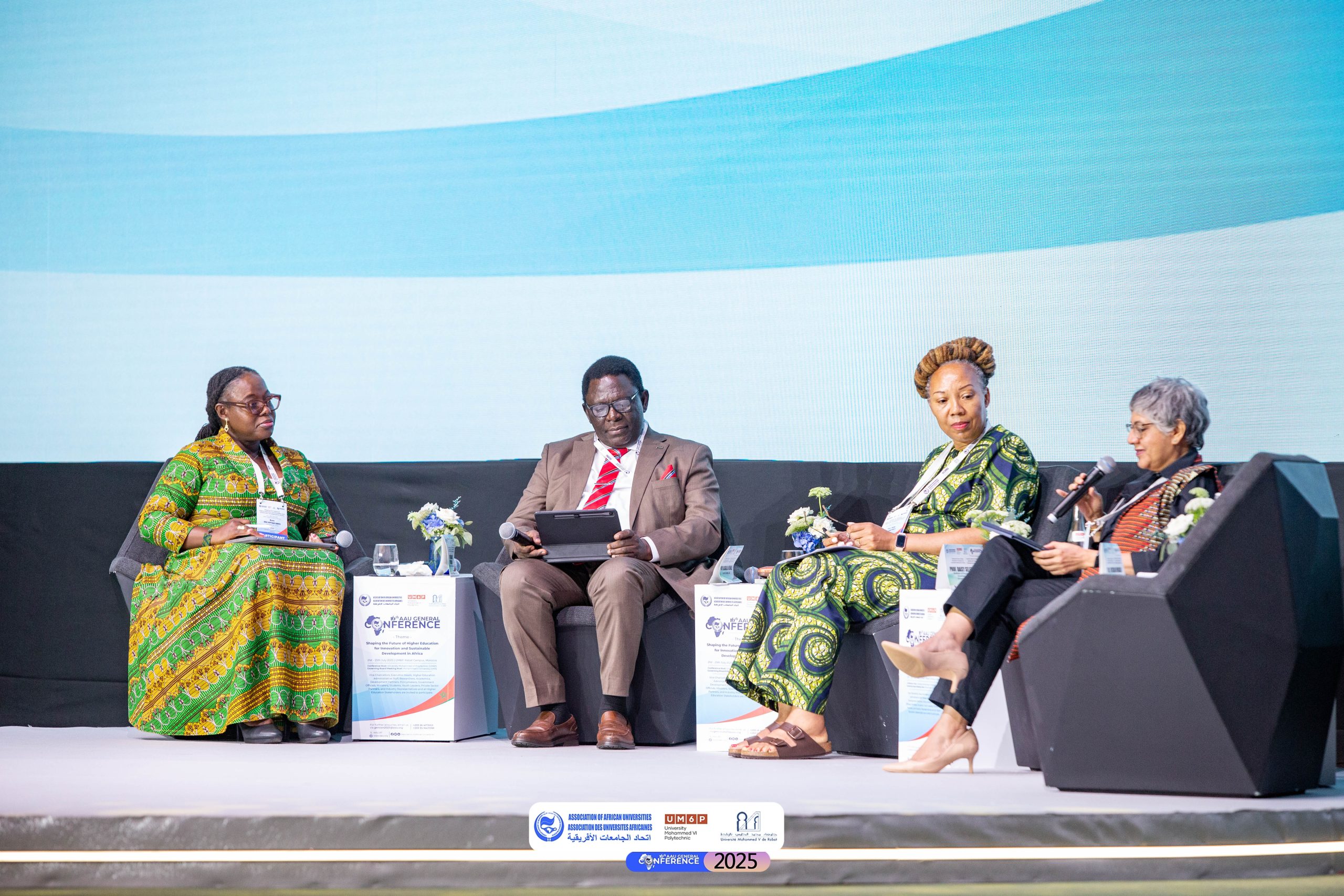
Prof. Appiah Amfo opened the discussion by highlighting the relevance of the SANLiC approach to Africa’s broader higher education agenda, emphasizing the critical need for institutions to take ownership of their research outputs while fostering collaborative regional models that improve both access to scholarly content and research quality. Adding to this, Prof. Olusola Oyewole, AAU Secretary-General, provided a continental overview, identifying three fundamental enablers of research growth: sustainable funding, institutional infrastructure, and human capital development. He noted with concern that most African governments invest less than one percent of their GDP into research, creating over-reliance on external funding. He stressed the importance of long-term funding mechanisms, such as the World Bank’s support for Africa Centers of Excellence (ACE) Impact project and called for better coordination of international grants within universities.
The industry perspective was provided by Ms. Nitasha Devasar of Taylor & Francis, who drew parallels between challenges faced by African researchers and those experienced in the Indian subcontinent She emphasized that South–South cooperation, partnerships with organizations such as the AAU, and institution-led initiatives are driving positive change. She highlighted the transformative results of the Taylor & Francis–SANLiC partnership: in just 15 months, open-access publishing from African institutions under this agreement grew from 7% to 91%, with over 1.34 million downloads and 2,000 citations- clear evidence that removing financial barriers significantly enhances research visibility and impact.
Prof. Daisy Selematsela, a renowned figure in knowledge management and library sciences, provided in-depth insight into the operational and philosophical underpinnings of SANLiC. She described SANLiC as a national consortium of 26 universities and associated institutions in South Africa that negotiates and manages access to scholarly resources on behalf of its members. She stressed that SANLiC is librarian-led, inclusive, and centered on principles of social justice and equitable access to knowledge. She also noted SANLiC’s contribution to South Africa’s draft national open science policy, which advocates making publicly funded research openly accessible. According to Prof. Selematsela, SANLiC addresses several key challenges: the high cost of subscriptions, limited publishing opportunities for African researchers, and inequitable access to global knowledge. By enabling collective bargaining, SANLiC reduces financial burdens on individual institutions and promotes full, immediate open-access publishing without author fees. She emphasized the model’s adaptability and urged other African countries to consider developing similar national or regional consortia.
Responding to a question from the audience on the principles that make partnerships like SANLiC effective, the panelists highlighted commitment, inclusive leadership, and adaptability as essential. Prof. Oyewole emphasized that genuine commitment is key to successful partnerships. Prof. Selematsela stressed the importance of stakeholder involvement in decision-making, while Ms. Devasar reiterated the value of adaptability and listening as a publisher.
In wrapping up the session, Prof. Appiah Amfo underscored the broader implication of the discussion for African higher education. She called for co-creation at national and regional levels and emphasized the potential of such collaborations to move African universities from the periphery to the center of global research influence. She reminded the audience of the powerful data presented. African-published open-access articles not only reached global audiences but were also cited in international policy documents from countries like the UK, Belgium, and Brazil.
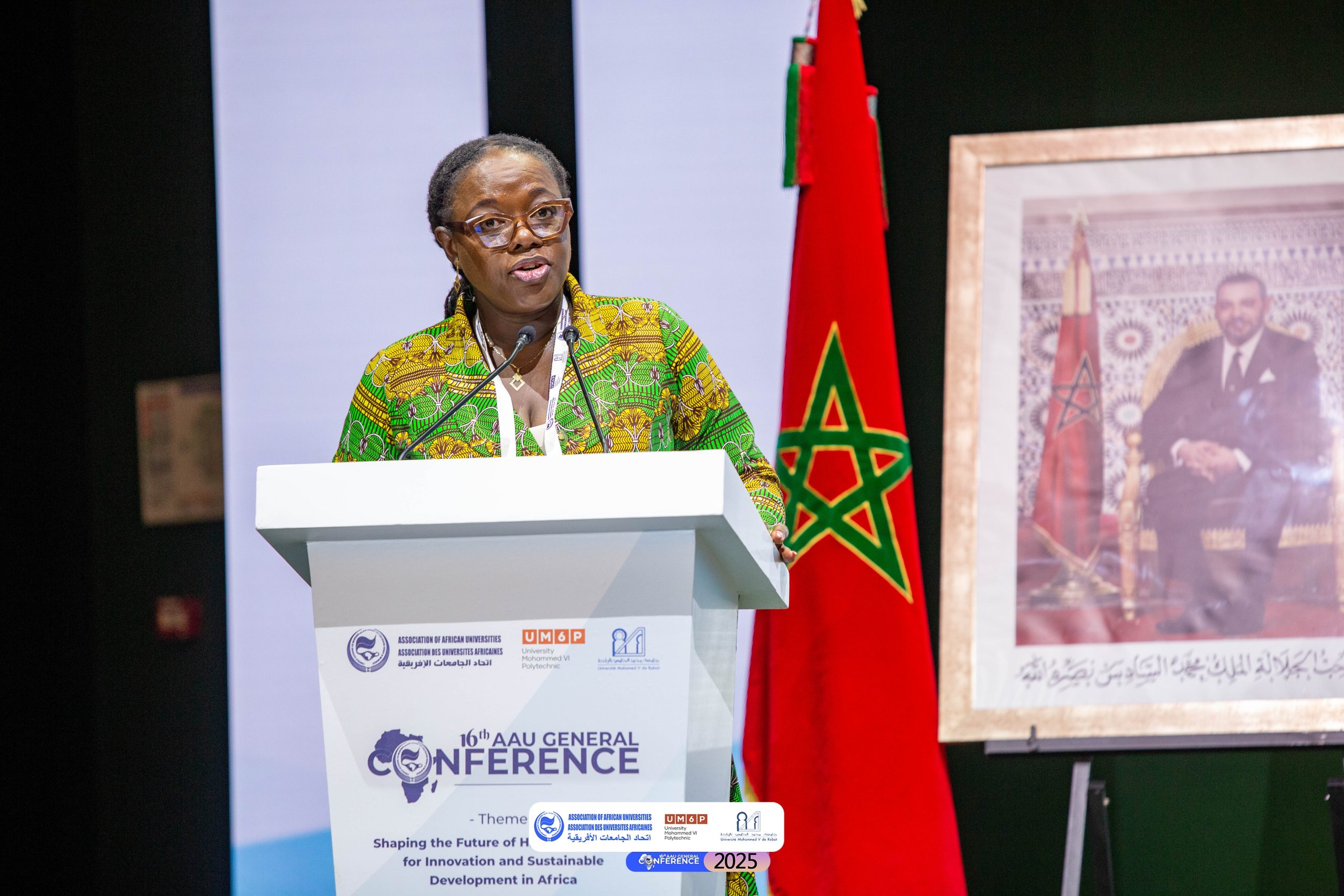
The discussion ultimately reaffirmed the AAU’s commitment to fostering innovation and knowledge sharing across the continent, presenting the SANLiC experience as both inspiration and practical roadmap for institutions seeking to amplify their research capacity, reduce costs, and secure Africa’s place at the forefront of global knowledge production. With strategic alignment and sustained engagement, such models promise to transform not just what African researchers produce, but how the world access, values and utilizes their contributions.