
African Union Charts Bold Course for Africa’s Education and Skills Future at AAU General Conference
July 21, 2025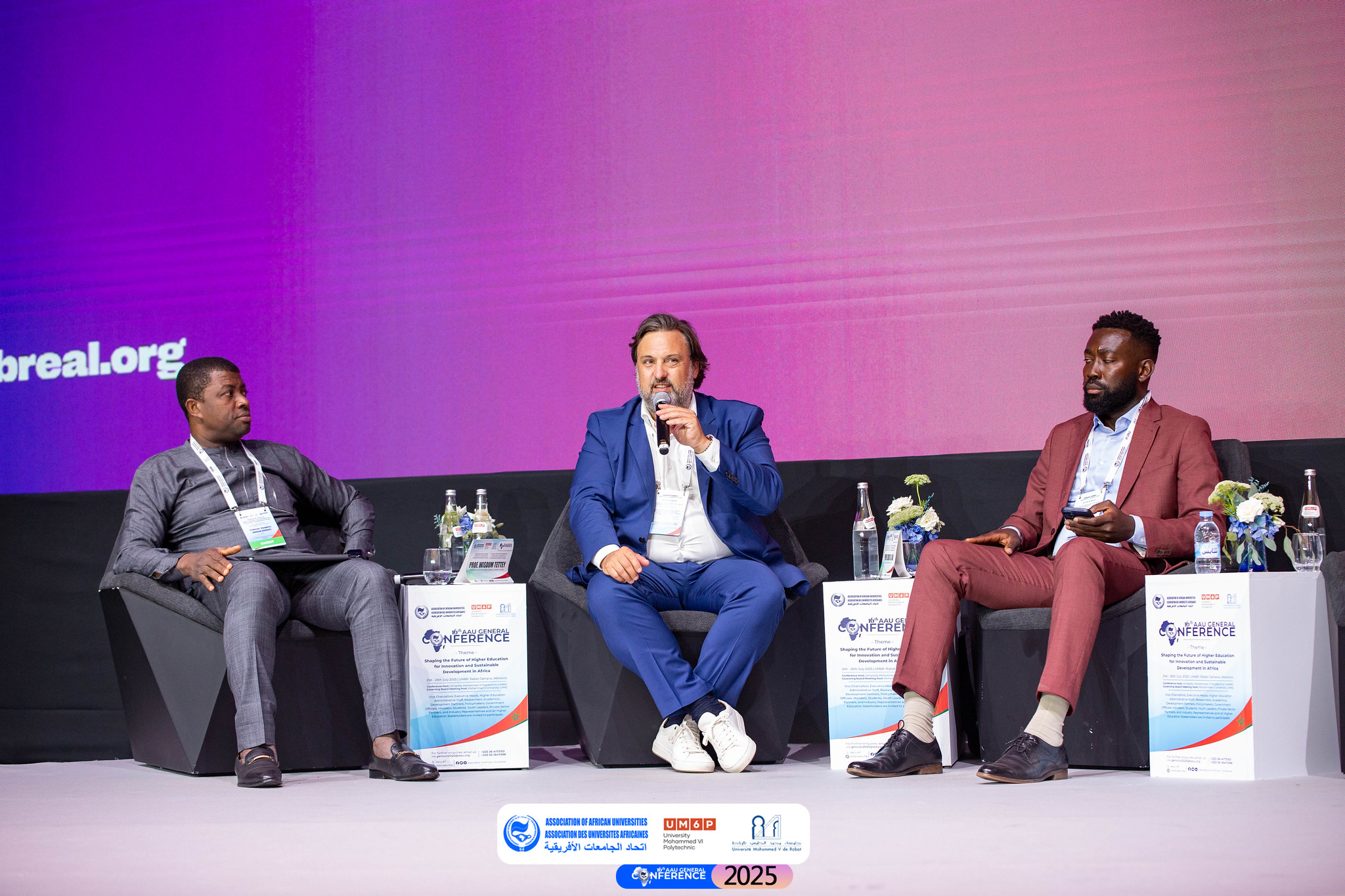
Forging Strategic Synergies: The Bogotá Dialogue as a Catalyst for Interregional Higher Education Collaboration
July 23, 2025
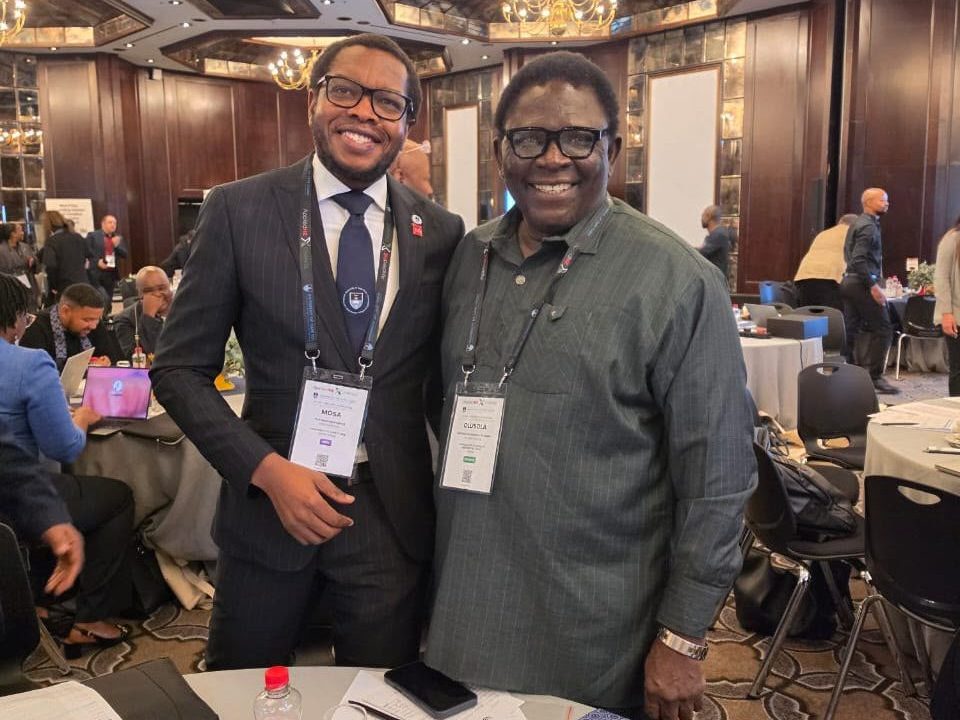
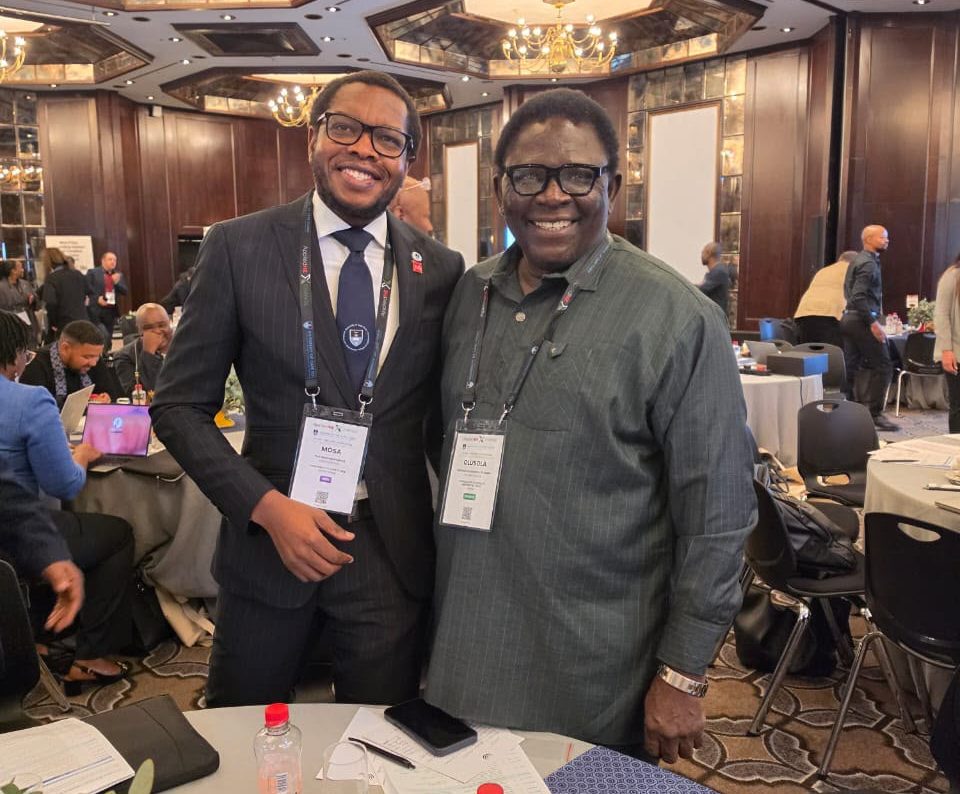
The opening of the 16th General Conference of the Association of African Universities (AAU) on July 21 in Rabat, Morocco, highlighted a landmark initiative—the Africa Charter for Transformative Research Collaborations—a roadmap for research collaborations rooted in African agency and equity, which promises to shift the axis of global research power.
Launched in 2023 at the Conference of Rectors, Vice-Chancellors, and Presidents of African Higher Education Institutions in Windhoek, Namibia, the Charter is not just another policy document but a timely response to Africa’s collective demand for a new research order—one that firmly proscribes extractive, top-down research approaches and prescribes equitable, Africa-centered collaborations. It offers a practical, Africa-centered framework for reconfiguring how research collaborations with the Global North are conceptualized, negotiated, and executed. A bold and visionary document, the Charter is underpinned by systems thinking and grounded in decades of anti-, post-, and decolonial African scholarship. It is rooted in social justice, epistemic sovereignty, and the continent’s right to define its own research agenda.
The new Charter responds to centuries of imbalance. Africa is the region with the highest rate of international research collaborations, primarily with “science superpowers” like the US, UK, and France. These relationships, however, often mirror the continent’s colonial legacy—Africa as the data mine, the testing ground, the subject of study rather than the architect of inquiry. This imbalance makes Africa’s position in global science remain marginal, affecting not only knowledge equity but also the continent’s economic prospects and geopolitical influence.
“Knowledge sovereignty is not just a philosophical idea. It is tied to our development, ethics, and very survival,” asserted Professor Kenneth Matengu, Vice Chancellor of the University of Namibia and newly elected President of the AAU Governing Board, who cautioned the conference of academics against Africa’s continued vulnerability, citing cases like the ongoing use of banned pesticides driven by foreign research interests.

For Prof. Shose Kessi of the University of Cape Town, the Charter is about more than equitable partnerships; it is about “transforming research ecosystems from within” and reclaiming Africa’s rightful role in shaping global knowledge. To achieve this purpose, the Charter outlines 10 guiding principles and 6 institutional aspirations to address six entrenched areas of inequality: epistemologies, language, theories and frameworks, the development gaze, institutional capacity, and collaboration arrangements.
Spearheaded by a tripartite intellectual leadership group—the University of Cape Town, the University of South Africa, and the University of Bristol—with guidance from a Steering Group, including AAU, ARUA, AAS, CODESRIA, and INHEA, the Charter has since its adoption garnered over 120 institutional signatories across Africa, Europe, the Americas, including major university networks, funding agencies, learned societies, and international policy actors.
A Steering Committee and Coordinating Committee have been established, with ongoing workshops, reflective dialogues, and policy evaluations in motion. A Theory of Change is being co-developed, aligned with the African Union’s Agenda 2063 and the UN Sustainable Development Goals.
The Charter’s custodians committed to:
- Extending awareness across geographies, including North America and Australia.
- Cascading implementation within institutions—from leadership to departmental levels.
- Refining the Charter as a living document through further scholarly engagement.
- Creating a dedicated web portal to host resources and enable peer learning.
- Developing metrics to monitor and assess Charter-aligned collaborations.
Plans are underway to translate the Charter into French, Portuguese, Kiswahili, and Arabic, further expanding its reach and accessibility.
As global power dynamics shift and new geopolitical players emerge, so is the need for Africa to not merely respond but lead. The Africa Charter for Transformative Research Collaborations provides a blueprint for rebalancing the global research order. The Africa Charter for Transformative Research Collaborations is more than a document—it is a continental movement to reclaim intellectual agency, rebalance global scientific structures, and pave the way for inclusive, ethical, and impactful research. As Professor Tawana Kupe aptly stated, “the Charter arrives at a moment of global transition whereby Africa must negotiate its place not as a follower but as a co-leader in shaping the world’s future. The Africa Charter is a collective commitment to reshape how research is done—with, by, and for Africa.” Indeed, this is more than a research reform agenda. It is Africa’s declaration of intellectual independence—and the start of a new era in global science.