

AAU’s 16th General Conference Opens in Morocco, Charting Bold Vision for Africa Higher Education
July 21, 2025
Innovation on Display: African HEIs Shine at AAU Conference Exhibition
July 21, 2025
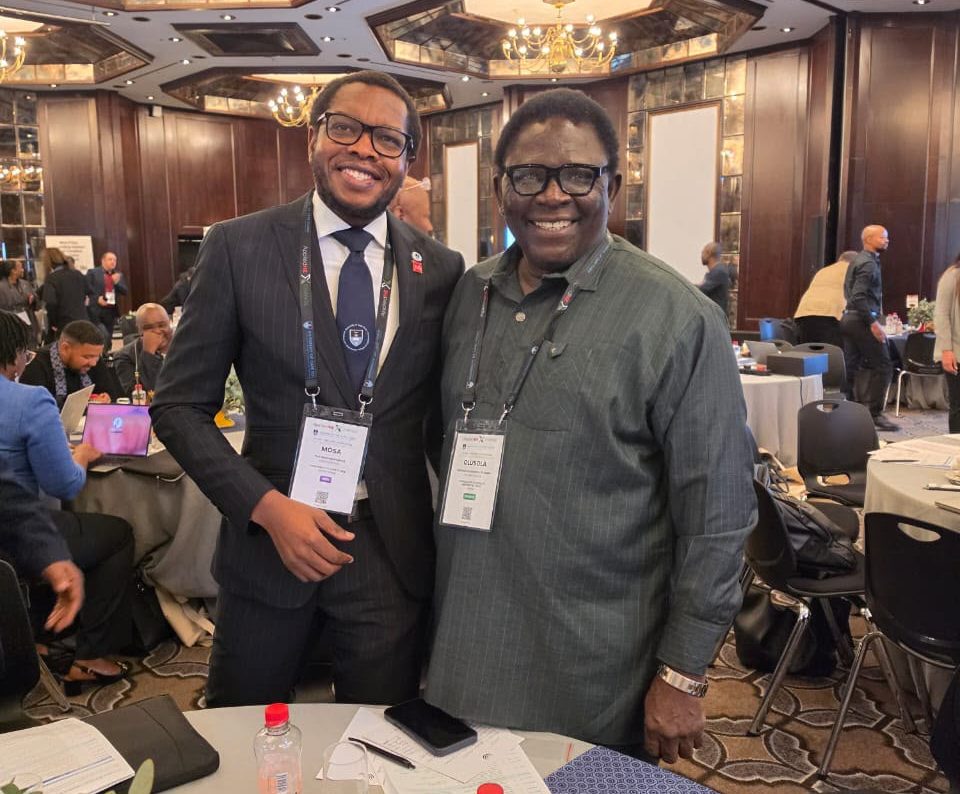
Rabat, Morocco – July 21, 2025 — A transformative new chapter in African higher education and research was written today as the Secretary General of the Association of African Universities (AAU), Professor Olusola Bandele Oyewole, officially launched the African Research Innovation and Development (AFRID) Network digital platform during the 16th AAU Quadrennial Conference in Rabat, Morocco. The unveiling of the AFRID Network marks a significant milestone in the continent’s pursuit of a more interconnected, data-driven, and impactful research ecosystem.
Described as a groundbreaking initiative, the AFRID Network’s platform is poised to dramatically reshape how African researchers, institutions, and communities collaborate, measure progress, and respond to the continent’s most pressing challenges. At its core, AFRID is a digital infrastructure that combines powerful data analytics, artificial intelligence, and interactive visualization to provide stakeholders with unprecedented insights into the dynamics of academic research across Africa and beyond.
A Vision for African Research Excellence
In his keynote address, the AAU Secretary General, Professor Oyewole, emphasized that the launch of AFRID aligns with the broader vision of transforming Africa into a globally competitive knowledge society. “This platform is not merely a technical tool—it is a strategic enabler of excellence, collaboration, and innovation. AFRID allows us to understand where we have been, where we are, and where we are going as a continent in the global research landscape,” he stated.
AFRID addresses long-standing challenges such as fragmented data, under-recognized research contributions, and limited visibility of African scholarly networks. By centralizing and analyzing vast amounts of research data, the platform empowers users to make informed decisions, forge new partnerships, and identify opportunities for growth and innovation.

A Suite of Intelligent, Insightful Tools
Regarding the functionality of AFRID, Professor Frederick Ato Armah, Director of Research and Programmes at the AAU, indicated that AFRID offers eight core analytical capabilities that together form a comprehensive research intelligence engine:
- Descriptive Analytics: Telling the Story of the Past
The platform provides users with an in-depth look at historical research data, enabling analysis of trends such as the number of publications over time by individual scholars, institutions, or countries. It highlights top-performing researchers and institutions by publication output and citation metrics, and offers insights into how academic disciplines have evolved—for example, the growth of Artificial Intelligence or Climate Science in Africa over the past 25 years. The system also presents data on gender representation, language of publication, and the distribution of research interests by region or institution.
- Geographic and Regional Analytics: Mapping the Landscape
AFRID captures the geographic dimensions of research activity across the continent, allowing stakeholders to explore patterns of collaboration between African countries and with partners from other continents. It identifies key research hotspots, regional research powerhouses, and emerging hubs—providing a dynamic map of Africa’s evolving research geography.
- Collaboration and Network Analytics: Understanding Scholarly Connections
Recognizing that collaboration is the lifeblood of modern science, AFRID delves into the structure and dynamics of academic networks. It visualizes co-authorship patterns, identifies clusters of scholarly collaboration, and determines central actors—those researchers or institutions playing influential roles within these networks. It also uncovers patterns of interdisciplinary research and tracks how collaboration has evolved over time.
- Predictive and Trend Analytics: Looking to the Future
Going beyond descriptive capabilities, AFRID employs forecasting tools to anticipate future trends. It can predict the growth trajectory of specific research areas, such as green energy or biotechnology, and identify up-and-coming scholars whose productivity and collaboration rates signal strong future impact. Institutions can use this data to plan strategically, invest wisely, and stay ahead of emerging scientific developments.
- Thematic and Content Analysis: Understanding the Research Itself
Through advanced natural language processing, AFRID analyzes the content of scholarly publications to identify key themes, trending keywords, and the sentiment behind academic discourse. It links research outputs to the UN Sustainable Development Goals (SDGs) and African Union development priorities, thereby illuminating how African scholarship contributes to global and continental policy agendas.
- Benchmarking and Comparative Analytics: Measuring Performance
AFRID enables direct comparisons between institutions, countries, and disciplines. It reveals who is publishing the most, collaborating the most widely, or leading in specific fields. For example, users can compare AI research outputs in North Africa versus Southern Africa, or assess how two universities compare in terms of international collaboration and research funding.
- Community and Sociometric Analytics: Mapping Influence and Mentorship
The platform sheds light on the social structures of academia by identifying communities of practice, tracing academic mentorship lineages, and pinpointing influential leaders within various fields. This allows institutions to recognize and support knowledge leaders, foster mentorship networks, and strengthen scholarly communities.
- Interactive Dashboards and Visual Analytics: Making Data Work for You
AFRID’s user-friendly interface features interactive dashboards that allow users to customize their views based on discipline, timeframe, region, or institution. Dynamic maps, time-series charts, and network graphs make it easy to explore data visually and intuitively, turning complex datasets into actionable insights.

Empowering Stakeholders, Elevating Africa
AFRID is designed with a wide range of users in mind—from university administrators and national education ministries to research funders and scholars themselves. By providing reliable data and intelligent tools, the platform enables evidence-based planning, monitoring, and decision-making. For early-career researchers, AFRID offers visibility and recognition. For policymakers, it offers a strategic compass to guide investment. For institutions, it reveals areas of strength and opportunities for collaboration.
Perhaps most importantly, AFRID fosters a sense of shared purpose among Africa’s diverse academic communities. It reinforces the message that African research is vibrant, essential, and globally relevant.
Looking Ahead
According to Professor Oyewole, this is just the beginning. AFRID is neither sacrosanct nor foolproof; it is still work in progress. It provides immense opportunity for scholars to engage with it in the next six months and provide feedback to the AAU on ways of improving it for the mutual benefit of key stakeholders. He further noted that as the platform begins its rollout, the AAU is encouraging institutions across the continent to engage with AFRID, contribute data, and harness its tools for institutional improvement and regional cooperation. With sustained commitment, AFRID could become a cornerstone of a new research renaissance in Africa—one rooted in connectivity, transparency, and excellence.
For more information or to explore the platform, stakeholders are invited to visit the AfRID platform via afrid.aau.org or via the AAU website at www.aau.org. Technical questions should be directed to tekpani@aau.org or fasefuah@aau.org.






2 Comments
This is a really bold initiative. The next stage of cascading the thought into action rests with all of us. The dialogue will need to seep down.
Greetings The Africa Research innovation and development network.
I am Rabasco Tugbe Chie, Dean of the Department of Agriculture-, Grand Kru Technical College, Liberia and I am a published research Scholar.
Kindly notify me the process of becoming part of this great network, My college is engaged with research and innovation and we hope to be captured and recognize under your network. As an individual scholar, I have published many research papers affect agriculture Development and hope to see Grand Kru Technical College, Liberia appearing under your research institution.
I am available to providing the links and documentaries of the research we have conducted.
Thanks