AAU to Officially Launch COREVIP 2027 and Commence 60th Anniversary Celebrations
July 21, 2026
The Future of Africa Will Be Decided in Its Universities
July 28, 2026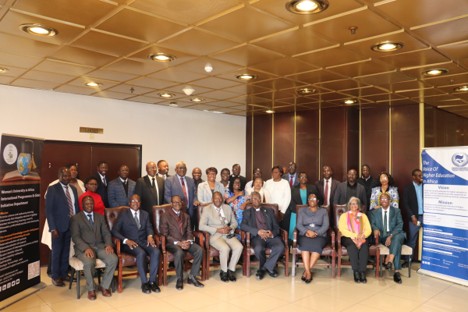
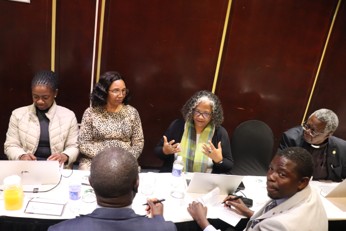
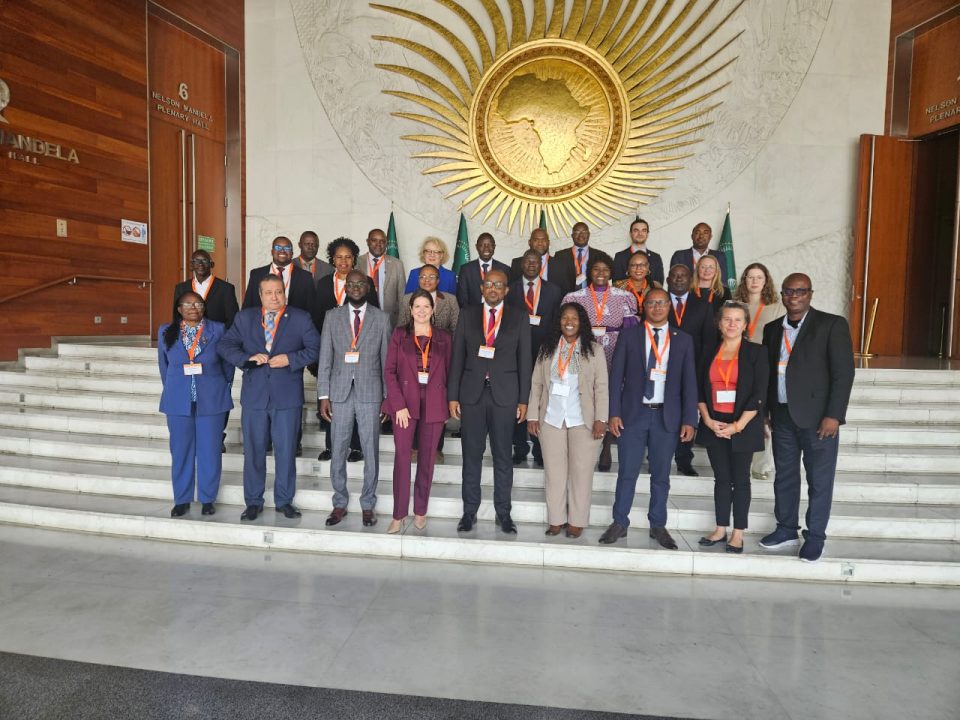
The Internationalisation of Higher Education Workshop, held from July 6 to 7, 2026, in Harare, Zimbabwe, brought together university leaders, quality assurance experts, policymakers, and development partners to reflect on how African higher education can engage globally while remaining grounded in local and continental priorities. Convened under the theme, “National Contexts, Regional Frameworks, Quality Dimensions, and Collaborative Futures,” the workshop provided a platform for collaboration, strategic alignment, and practical action.
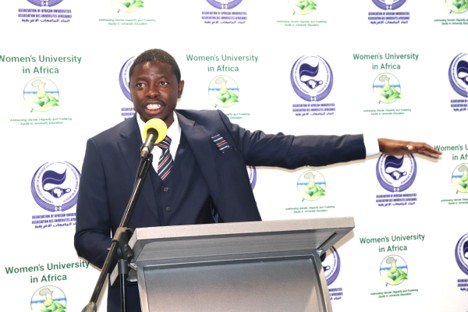
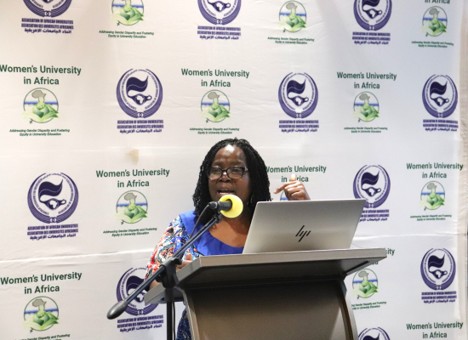
Organised by the Association of African Universities (AAU) Southern Africa Regional Office (SARO), hosted by the Women’s University in Africa (WUA), and supported by the AAU Europe Regional Office hosted by the University of Nottingham, the workshop signaled Africa’s commitment to shaping a more equitable and mutually beneficial internationalisation agenda. It was officially opened by Prof. Fanuel Tagwira, Zimbabwe’s Permanent Secretary for Higher and Tertiary Education, Innovation, Science and Technology Development, with support from AAU Secretary General, Prof. Olusola Bandele Oyewole.
Discussions highlighted a clear shift from participation on externally defined terms toward African-led engagement. In his opening address, Professor Tagwira cautioned that “globalisation without grounding creates dependency,” stressing that universities must operate globally while remaining rooted in national and continental development priorities.
A major point of reflection was the African Quality Rating Mechanism (AQRM), developed under the African Union framework to help institutions assess quality and internationalisation through an African lens. Rather than relying only on standards shaped in Europe and North America, the AQRM supports indicators that reflect African contexts, including mobility, research collaboration, conference participation, and curriculum integration.
Zimbabwe’s Education 5.0 policy framework also offered a strong example of national alignment. By expanding the university mandate from teaching, research, and community service to include innovation and industrialisation, the framework positions internationalisation as a tool for producing practical solutions, patents, start-ups, and locally relevant knowledge.
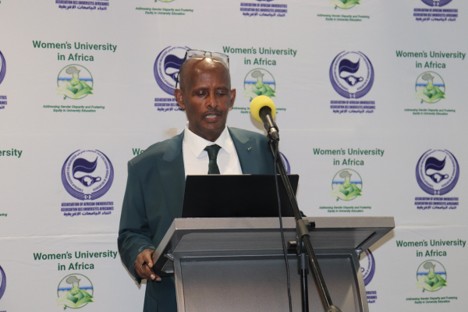
Quality assurance emerged as another central pillar. Through the Zimbabwe Council for Higher Education (ZIMCHE), represented by Prof. Kuzvinetsa Peter Dzvimbo, participants examined how stronger academic standards, qualification recognition, and regional cooperation can support student and staff mobility across Africa.
A notable example was the Minimum Bodies of Knowledge and Skills (MBKS) framework, which standardises 80 percent of curriculum content across institutions while allowing 20 percent flexibility for innovation. This balance strengthens comparability while preserving institutional uniqueness.
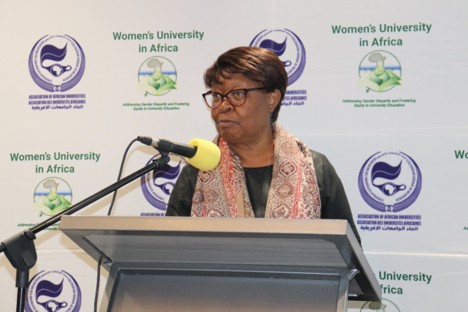
Participants also emphasised inclusion, with the Women’s University in Africa highlighting the need to place gender equality and social inclusion at the centre of internationalisation. Mobility, research grants, and leadership opportunities must be designed to benefit women and other underrepresented groups more equitably.
Under the direction of Prof. Juliet Thondhlana, UNESCO Chair in International Education and Development at the University of Nottingham and Coordinator of the AAU Europe Office, Day 2 moved from dialogue to implementation.
Working sessions produced three strategic outcomes:
- A Continental Consortium Framework: Mapping priority research and innovation areas across member institutions to facilitate joint research proposals, pool expertise, and improve access to major international development grants.
- A Sustained Publication Strategy: Identifying thematic priorities and collaborative mechanisms for transforming workshop outputs into high-impact peer-reviewed publications, including a proposed edited volume and special issues in leading higher education journals.
- Operational Memoranda of Understanding (MOUs): Developing concrete action points for bilateral and multilateral institutional agreements to ensure that collaborations move beyond declarations of intent to active, funded implementation and measurable outcomes.
The Harare Workshop demonstrated that African higher education is entering a new phase of self-determination and global engagement. By prioritising grounded globalism, quality assurance, regional integration, innovation, and gender equity, African institutions are increasingly defining the terms of their participation in the global knowledge economy.
The workshop’s outcomes provide a practical roadmap for universities across the continent, showing that internationalisation is most impactful when it advances African priorities, leverages African strengths, and delivers meaningful benefits to communities.