
AAU Leads Historic Addis Ababa Declaration on Arab-African Higher Education Cooperation
July 20, 2026
AAU to Officially Launch COREVIP 2027 and Commence 60th Anniversary Celebrations
July 21, 2026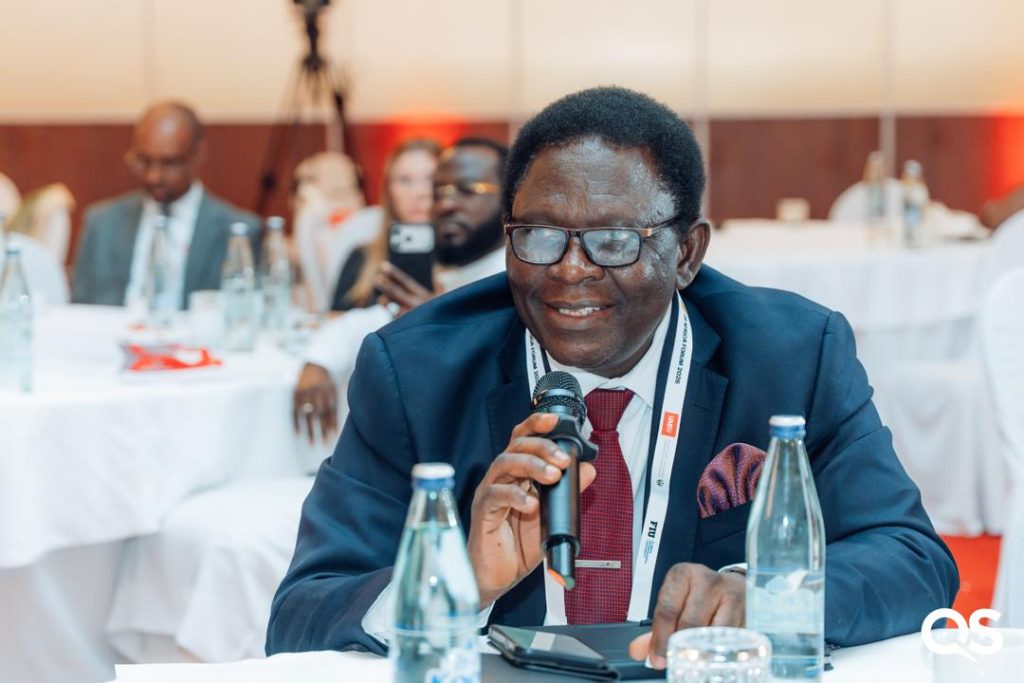
The Secretary-General of the Association of African Universities (AAU), Prof. Olusola Oyewole, has called on African universities to reposition themselves as centres of knowledge creation, innovation, entrepreneurship, and sustainable development capable of transforming the continent’s future.
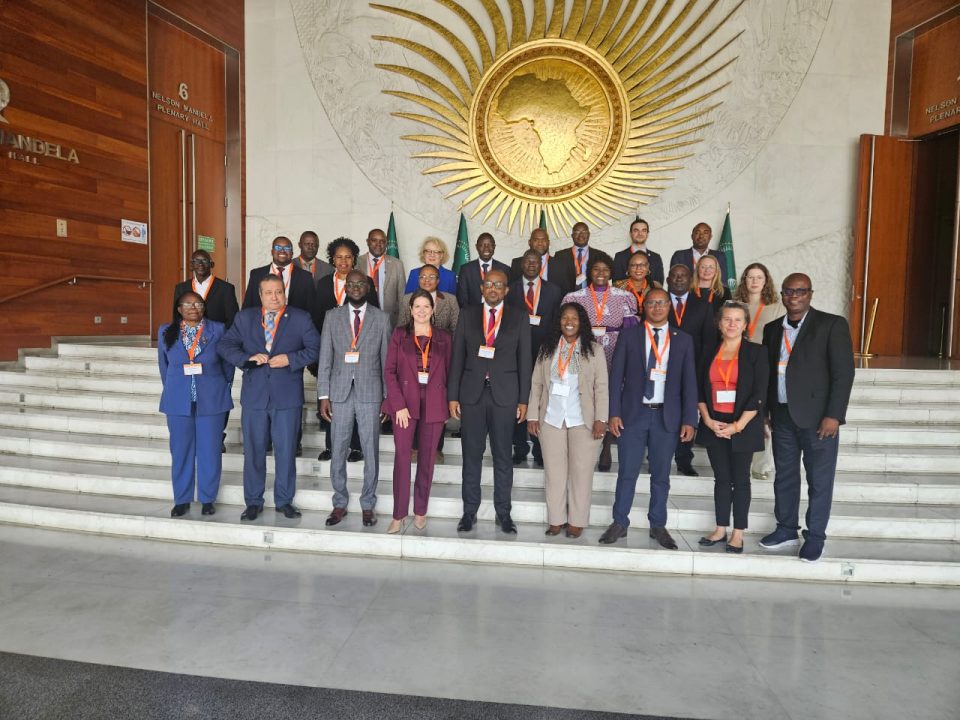
Prof. Oyewole made this call during a high-level Fireside Chat on “The Future of African Higher Education” at the QS Africa Forum 2026 in Addis Ababa, Ethiopia, from July 8 to 10. He challenged university leaders to rethink the role of higher education in Africa’s development, emphasising that Africa’s greatest resource is not the wealth beneath its soil, but the knowledge, creativity, and innovation cultivated within its universities.
Moderated by Dr Ashwin Fernandes, Vice President for Strategic and International Engagement at QS, the fireside discussion brought together higher education leaders for a forward-looking conversation on the opportunities and challenges shaping the future of higher education across the continent. Discussions focused on expanding access, strengthening quality, promoting research and innovation, enhancing graduate employability, and fostering strategic partnerships that position African universities as globally competitive while remaining locally relevant.
In his opening remarks, Prof. Oyewole observed that African universities are increasingly aware of both the challenges confronting the sector and the unprecedented opportunities before them. He noted that rapid demographic growth, technological advancement, changing labour market demands, climate change, and continental development priorities are reshaping higher education and requiring institutions to respond with innovative, forward-looking strategies.
“Africa is facing problems that only knowledge can solve, and that makes this the most important moment in the history of African higher education. The future of Africa will not be built only by the resources beneath our soil, but by the knowledge, creativity, and innovation developed in our universities.”
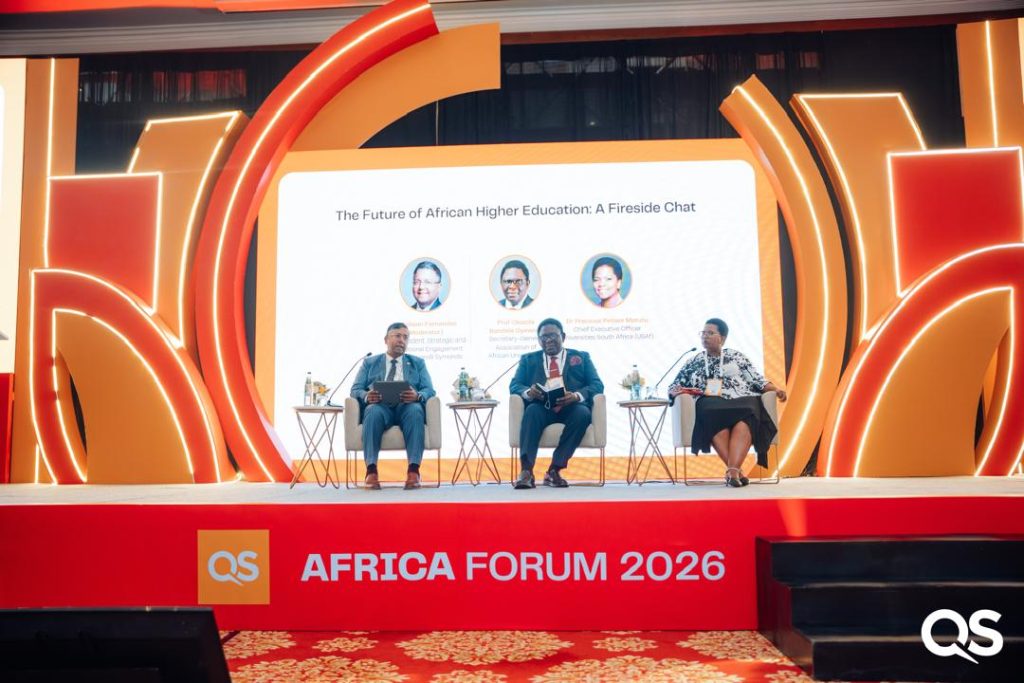
Prof. Oyewole noted that growing interest from governments, industry, and development partners demonstrates an increasing recognition of universities as institutions that generate solutions, create jobs, and drive socioeconomic transformation. He identified Africa’s youthful population as one of the continent’s greatest assets, stressing that universities must expand their capacity, develop flexible learning pathways, strengthen professional and vocational education, and improve student support systems to meet growing demand.
Highlighting the impact of digital transformation, Prof. Oyewole called on universities to embrace hybrid learning models, virtual laboratories, digital credentials, micro-credentials, and artificial intelligence to improve teaching, learning, research, and institutional management. He further stressed that African universities must prepare graduates with future-oriented competencies, including critical thinking, problem-solving, entrepreneurship, digital literacy, adaptability, and resilience, while strengthening research and innovation in areas such as food security, climate resilience, renewable energy, healthcare, and sustainable development.
On partnerships, the AAU Secretary-General argued that the future of African higher education depends on collaborations built on equity, mutual respect, co-creation, institutional strengthening, and long-term commitment. He stressed that partnerships should move beyond traditional donor-recipient relationships to become transformative collaborations that strengthen institutions, promote knowledge exchange, and deliver measurable impact across the continent.
“The best partnerships are not those where one partner gives and another receives; they are partnerships where knowledge, ideas, resources, and opportunities are co-created for shared transformation.”
Concluding his remarks, Prof. Oyewole reiterated that the future of African universities lies in their ability to generate knowledge, nurture innovation, build resilient partnerships, and produce graduates capable of creating solutions for the continent and beyond.
“The university of the future must not only prepare Africans for the world; it must help Africa prepare the world with solutions drawn from African knowledge, creativity, and innovation.”
The fireside chat formed part of the QS Africa Forum 2026, which convened university leaders, policymakers, higher education experts, and development partners from across the continent to explore practical strategies for strengthening African higher education through leadership, innovation, collaboration, and global engagement.