
Recruitment of Monitoring, Evaluation and Learning (MEL) Officer
June 2, 2026
Water Security and Safe Sanitation: Why Africa’s Future Depends on Protecting Its Most Vital Resource
June 16, 2026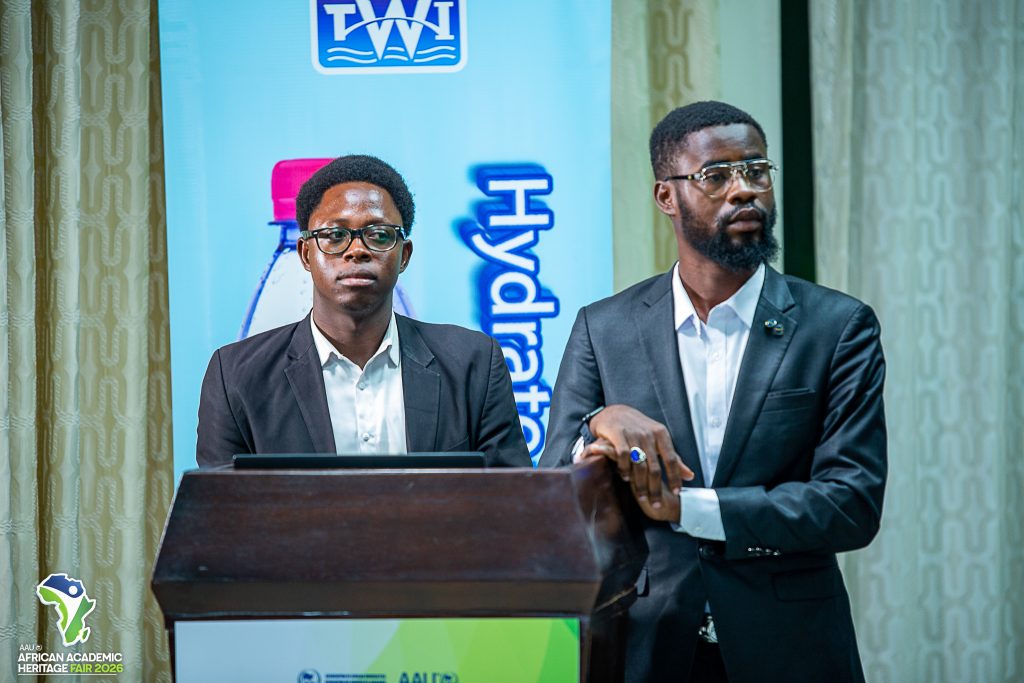
African researchers and innovators from across the continent converged to present practical and solution-driven innovations during the Research & Innovation Pitching Session of the African Academic Heritage Fair (AAHF) 2026. The session highlighted emerging African-led responses to challenges in water security, sanitation, environmental sustainability, and climate resilience.
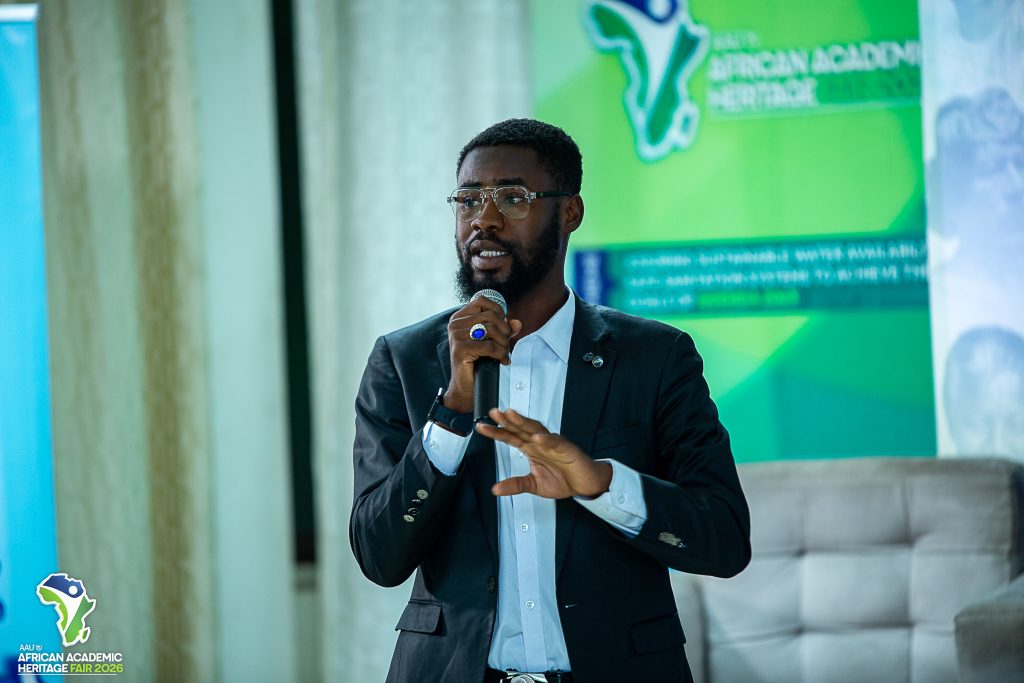
Held under the theme “From Knowledge to Impact,” the session formed part of the AAHF 2026, convened by AAU Television (AAU TV) under the auspices of the Association of African Universities (AAU) in commemoration of Africa Day. The pitching session provided a continental platform for African researchers and innovators to demonstrate how research, innovation, and technology can address pressing development challenges across the continent.
Nearly 50 submissions were received from across Africa, from which six projects were competitively shortlisted for presentation. The selected projects reflected diverse approaches to water security, environmental sustainability, pollution monitoring, climate resilience, and water infrastructure management within both rural and urban contexts.
The presentations underscored a growing commitment among African researchers and innovators to developing practical, scalable, and community-driven interventions that improve livelihoods and advance sustainable development goals.
Highlighted Innovations
- AQUA-LINK – Dr. Victor Eyo Assi presented a community-driven smart water access and purification system developed to tackle persistent water scarcity and unsafe water sources in rural and peri-urban communities in Nigeria. The presentation highlighted the effects of poor water infrastructure, abandoned boreholes, and weak maintenance systems on public health and socio-economic development.
- SolAqua Enterprise – Presented by Rutherford Taglan Pag-yel, this solar-powered mobile water purification system is designed to improve access to safe drinking water in rural communities. The innovation addresses the continued dependence on contaminated surface water sources and emphasizes community ownership, local fabrication, and sustainable maintenance systems.
Integrated Water, Environmental Protection & Agricultural Project – Canisius Mpala showcased this initiative developed for the Chibondo community in Binga District, Zimbabwe. The project addresses growing water insecurity and environmental degradation through sustainable wetland water abstraction systems, wetland restoration, and climate-smart agricultural practices.
Lindamanzi / Water Guardian – Blessing Moyo introduced this solar-powered smart monitoring platform designed to reduce non-revenue water losses within urban water distribution systems in Zimbabwe. It integrates real-time sensors, hydraulic modelling, and digital analytics to support preventive maintenance and improve operational efficiency within ageing urban water infrastructure.
Aquapath – Fridah Nkatha presented on this sensor-based water monitoring and decision-support system developed for pastoralist communities in the arid and semi-arid regions of Turkana and Samburu, Kenya. Using IoT sensors, GPS technologies, and mobile communication platforms, the system provides real-time information on water availability, quality, and accessible water points to support informed decision-making and strengthen climate resilience.
Heavy Metal Contamination in Ghanaian Estuaries (Research): Charles Faseyi shared research on contamination resulting from gold mining activities. The study examined the environmental and ecological implications of mining-related pollutants entering river systems and estuarine ecosystems, particularly within the Pra and Ankobra estuaries, while emphasizing the need for integrated environmental monitoring and evidence-based ecosystem management approaches.
Judging Panel and Key themes
Following the presentations, a panel of judges offered observations and recommendations focused on sustainability, financing, scalability, institutional collaboration, policy alignment, and operational feasibility. Discussions consistently emphasized the importance of strengthening partnerships among governments, universities, development agencies, private sector actors, and local communities in supporting implementation and long-term sustainability.
The judging panel comprised Christelle Lwaba, Founder and CEO of Xtelle’s Consultancy and Maintenance in the Democratic Republic of Congo; Prof. Jeffrey Richardson of the Center for Global Africa, Network of Scholars; and Kamal Yakubu, Capacity Building Manager at Afrobarometer.
Emerging Takeaways
Several important themes emerged, including the growing integration of renewable energy, digital innovation, and community-centred approaches into water and sanitation systems. The presentations reinforced the critical relationship between water security, environmental sustainability, public health, and climate resilience.
The session also highlighted the increasingly important role African universities, researchers, and young innovators continue to play in advancing applied research and solution-driven innovation capable of contributing to Agenda 2063 and the Sustainable Development Goals.
Ultimately, the session reaffirmed the African Academic Heritage Fair’s commitment to advancing African-led innovation, youth engagement, interdisciplinary collaboration, and practical research aimed at addressing critical development challenges across the continent.