
Women’s University in Africa Becomes First in Africa to Introduce Universal Acceptance into Its Curriculum
April 20, 2026
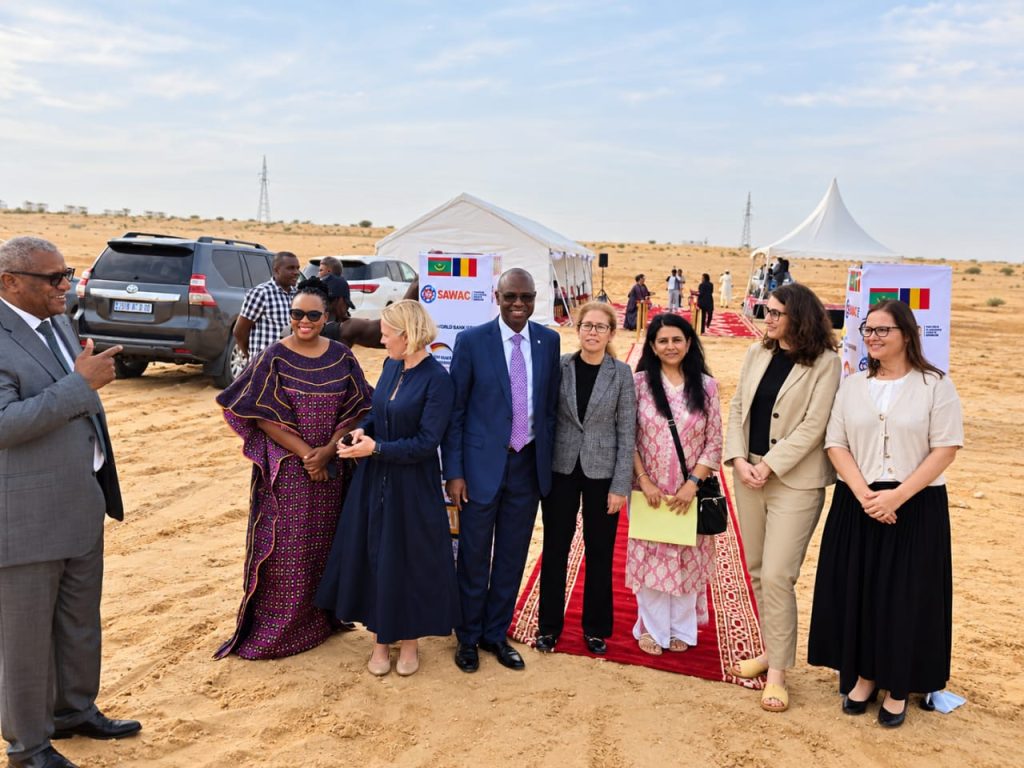
Press Release: AAU and Partners Launch RELANCE Project to Expand Education Access to 850,000 Youth Across the Sahel
May 4, 2026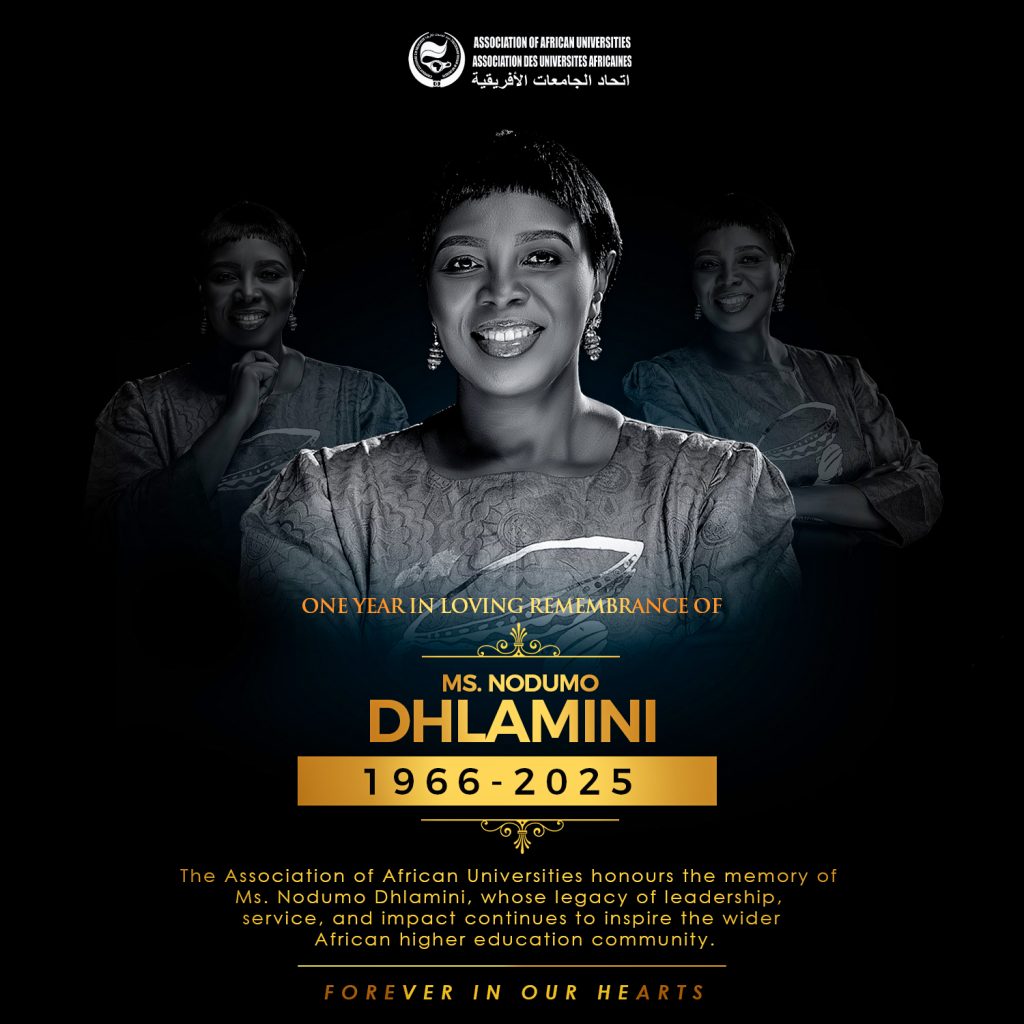
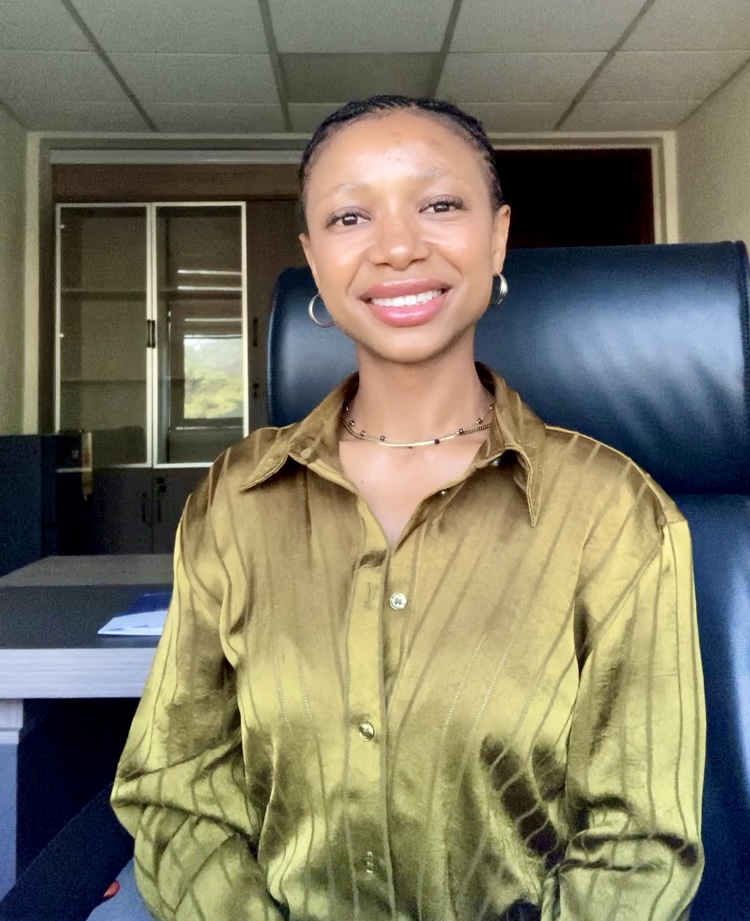
On April 25, 2025, the Association of African Universities (AAU) mourned the passing of Ms. Nodumo Dhlamini, its Director of ICT, Communications, and Knowledge Management. One year later, her influence remains deeply embedded in the systems she built, the initiatives she championed, and the people she mentored. Her legacy continues to guide the Association’s mission of strengthening African higher education through innovation, collaboration, and digital transformation.
Ms. Dhlamini served at the AAU Secretariat for almost a decade, from July 2015, a period marked by transformative leadership. In this role, she reshaped the way African universities connect, collaborate, and share knowledge. She understood that the future of higher education on the continent depended on embracing digital innovation, and she worked tirelessly to ensure that African institutions were not left behind in the global knowledge economy.
Professional Background and Expertise
Born on March 23, 1966, in Matobo, Zimbabwe, Ms. Dhlamini’s journey was one of purpose, resilience, and impact. She held a degree in Mathematics and Computer Science from the University of Swaziland (1989-1994) and an MBA from Africa University, Zimbabwe (2001-2005). She began her professional journey as a teacher and later transitioned into other sectors. She went on to become a leader in ICT and knowledge management, shaping how institutions operate and evolve.
Before joining AAU, she served as Program Manager – ICT at RUFORUM in Kampala, Uganda and as the Director of ICT at Africa University in Mutare, Zimbabwe. In each role, she left a mark defined by innovation, structure, and forward-thinking leadership.
Strategic Contributions to AAU and African Higher Education
At AAU, she spearheaded the development of strategic plans, communication strategies, and management information systems that strengthened the Association’s role as a continental hub for collaboration. She catalyzed the creation of communities of practice for ICT directors, communication professionals, and librarians, ensuring that expertise was shared and capacity built across institutions. She forged partnerships that expanded AAU’s reach, championed open science and knowledge management initiatives, and oversaw the deployment of technology platforms that facilitated seamless interaction between the Secretariat and its stakeholders.
Her leadership was visible in the flagship programmes she advanced. Ms. Dhlamini contributed significantly to the Science Granting Councils Initiative (SGCI), the Harmonisation of African Higher Education Quality Assurance and Accreditation (HAQAA) Initiative, the Africa Centres of Excellence (ACE) Project, the Demographics of African Faculty Project, the Increasing Universal Acceptance Readiness in Africa Initiative, the National Research and Education Networks (NRENs), and the AAU-eLearnAfrica Learning Management System among several other impactful initiatives. These programmes strengthened research collaboration, advanced quality assurance, expanded digital learning, and positioned AAU as a leader in higher education innovation.
Leadership and Mentorship
Beyond institutional achievements, Ms. Dhlamini was deeply committed to mentorship and capacity building. She believed in empowering the younger generation and consistently provided opportunities for team members to develop their skills and advance academically and professionally. She invested her time and energy in nurturing young professionals, offering guidance and encouragement. Her blend of intellectual acuity, strategic vision, and warm humanity earned her a revered place within the AAU community. Her legacy is therefore not only institutional but deeply personal, etched in the lives of those she inspired.
She is remembered as a leader of conviction, a communicator of clarity, and a strategist of vision. She was never content with half measures; she demanded excellence and pushed those around her to rise to their highest potential. Yet she did so with warmth and generosity, embodying the values of mentorship and collaboration that remain central to AAU’s mission.
Legacy That Endures
As the AAU reflects on her legacy, the priorities she advanced remain central to the Association’s mandate. These include strengthening ICT integration in higher education institutions, enhancing regional collaboration, supporting academic mobility, and building leadership capacity.
Her life was a testament to the power of education as a tool for transformation. She believed that universities are not merely institutions of learning but engines of social and economic progress. One year on, her vision continues to resonate across the continent, urging institutions to think boldly, act collaboratively, and mentor generously.
The Association of African Universities recognizes that the most enduring way to honour Ms. Nodumo Dhlamini’s legacy is through sustained commitment to the principles she advanced. Within African higher education, her vision for digital transformation, collaboration, and innovation must continue to shape institutional priorities. This requires members, partners, and stakeholders to translate remembrance into tangible progress by strengthening ICT integration, expanding networks of collaboration, and creating opportunities for students and scholars across the continent. In doing so, the digital transformation she envisioned will become a lived reality, ensuring that African higher education remains inclusive, resilient and globally competitive.