Redefining Global Academic Partnerships: China and Africa Build a Shared Future in Higher Education
July 24, 2025
AAU Ratifies Constitutional Reforms, Unveils Plan of Action for 2025–2029, and Welcomes New Members in Landmark Governance Session
July 25, 2025
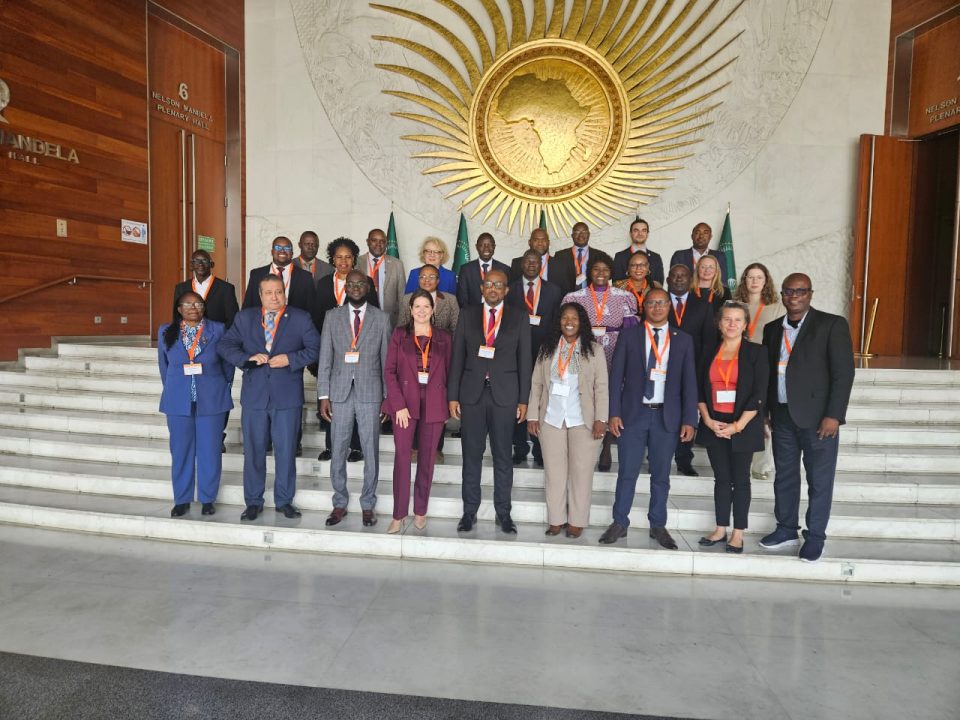
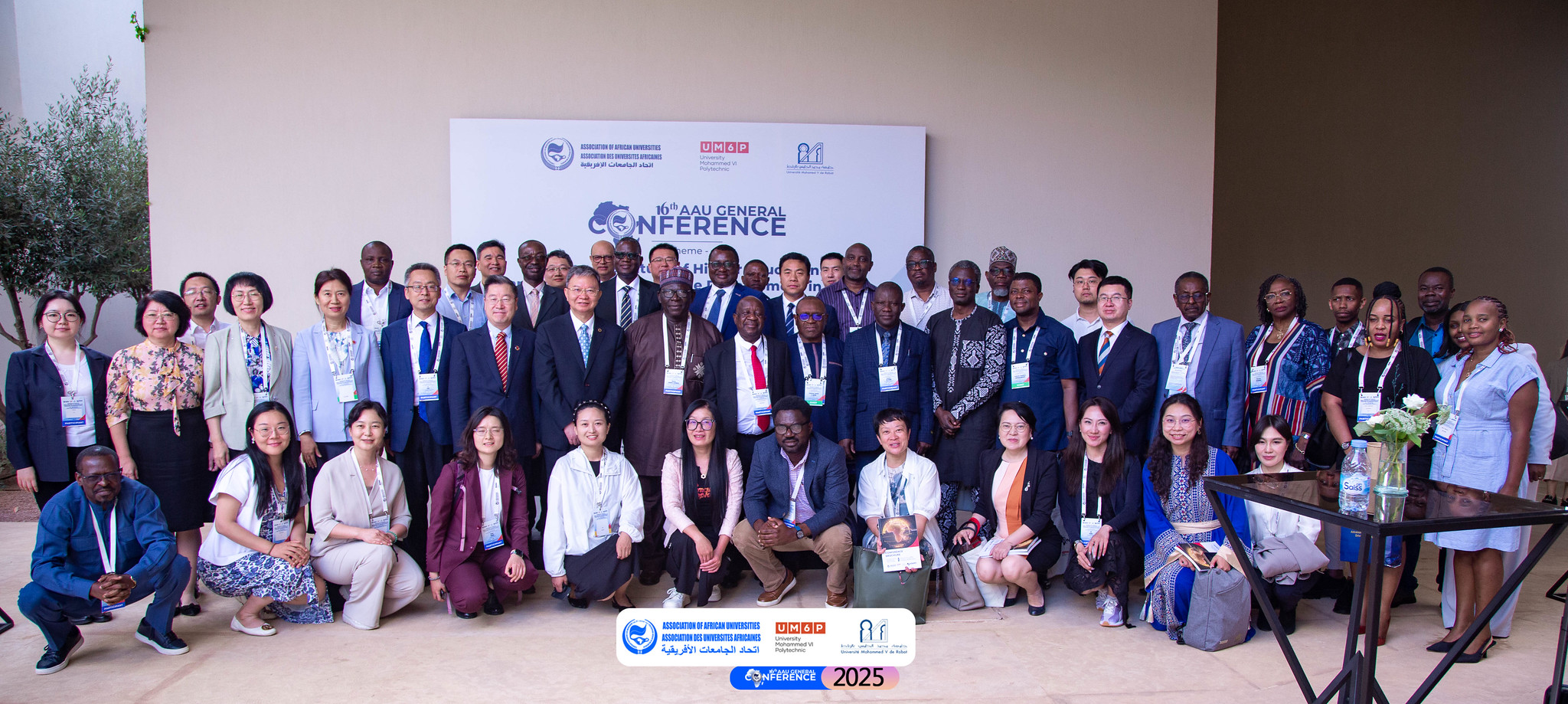
Once every four years, the Association of African Universities (AAU), convenes Africa’s leading minds in higher education in a general conference to chart the course of the continent’s academic future. The 16th edition (July 21 to 25, 2025) featured nearly 500 policymakers, scholars, institutional leaders, and students in the Moroccan city of Rabat.
In a pivotal moment of the week-long event, dubbed Shaping the Future of Higher Education for Innovation and Sustainable Development in Africa, stakeholders explored nine sub-themes in parallel sessions on July 23, with a synthesis presented two days later on July 25. These deliberations revealed both the urgent challenges and immense possibilities facing African universities as they strive to become engines of inclusive development for the continent’s transformation.
Policy experts and institutional leaders called for a paradigm shift—from externally imposed governance models to homegrown frameworks aligned with Africa’s social and political realities. Discussions emphasized decentralization, regional integration, and equity as pillars for systemic transformation. With poor funding and digital infrastructure continuing to constrain progress, participants called for pan-African collaboration to bridge these gaps.
On the digital front, artificial intelligence and immersive technologies like virtual reality were lauded for their educational potential—but not without caution. Concerns over academic integrity, plagiarism, and the digital divide sparked conversations on AI detection tools, oral exams, and shared EdTech platforms. It was highlighted that scaling innovations equitably, will require creative financing and policy coordination.
The SDGs featured prominently across sessions, with experts stressing that universities must move beyond box-checking to embed sustainability across teaching, research, community engagements and operations. Institutional leaders, boards, and other key stakeholders were tasked to deepen efforts towards amplifying African voices in global frameworks and leading in co-creating a development vision grounded in indigenous knowledge and local realities.
Climate change and the green economy were key among the discussion focus, with participants calling on universities to pivot their research and curricula toward environmentally sustainable innovations. Meanwhile, the session on collaborative research urged better data systems, regional partnerships, and scaled-up programmes to strengthen Africa’s research ecosystem.
Gender equity was also a major theme. Speakers urged institutions to dismantle leadership barriers facing women through gender audits, mentorship, and data-driven strategies—while actively engaging men as allies in this transformation.
Curriculum reform emerged as a cornerstone of change, with calls to shift from content-heavy models to outcome-based education. Aligning with frameworks like the Licence-Master-Doctorate (LMD) system, Morocco’s Vision 2030, and the Bologna Process, participants highlighted tools like micro-credentials, digital portfolios, and learner-centred pedagogies as game-changers. Faculty development, particularly in digital literacy and modern teaching techniques, was flagged as a crucial enabler.
Sessions on funding and infrastructure emphasized the need for long-term strategies and innovative financing—such as build–operate–transfer models—while warning against harmful short-term cuts. On indigenous knowledge, participants called for its integration into education and community development. Great Zimbabwe University’s inclusion of traditional medicine in its medical curriculum was cited as a groundbreaking example.
Finally, discussions on diaspora engagement underscored the untapped potential of African scholars abroad. To harness this, speakers recommended structured collaboration frameworks, platforms for knowledge exchange, and institutional recognition mechanisms.
The reflections, presented by a team from the AAU Secretariat—including Dr. Mohammed Eissa, Dr. Felicia Nkrumah-Kuagbedzi, Mrs. Adeline Addy, and Mr. Frank Asefuah—captured a shared vision: a higher education system that is inclusive, innovative, and locally grounded but globally competitive.
As Africa’s apex higher education body, the AAU reaffirmed its commitment to driving this transformation by promoting collaboration, policy alignment, and innovation. The 2025 General Conference marked not just a moment of reflection but a clarion call—reminding the continent that the future of African higher education must be reimagined, led by Africans.