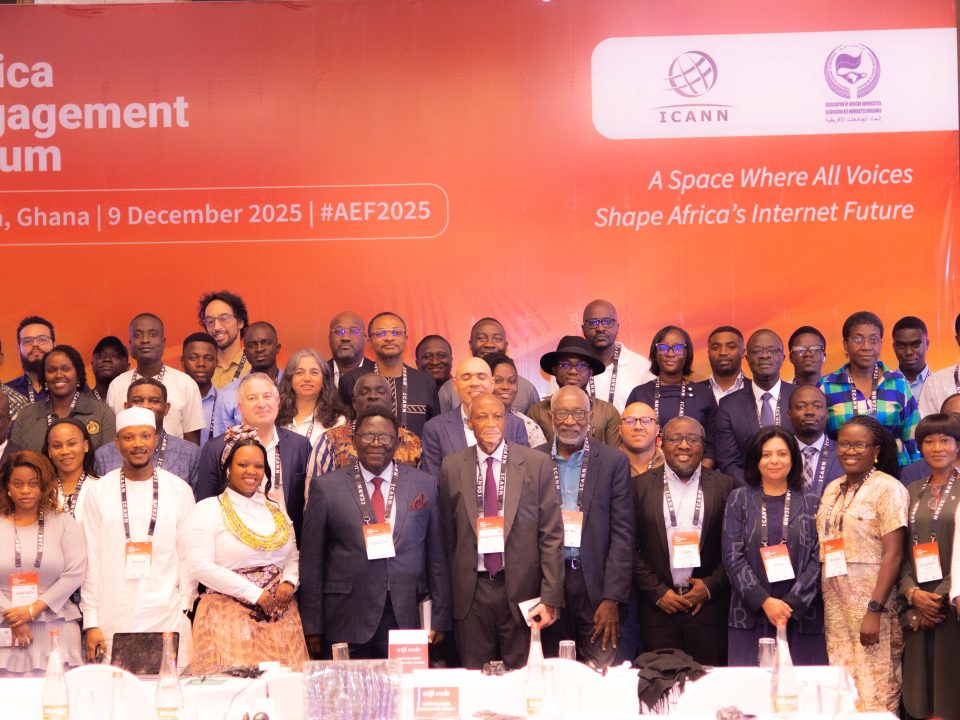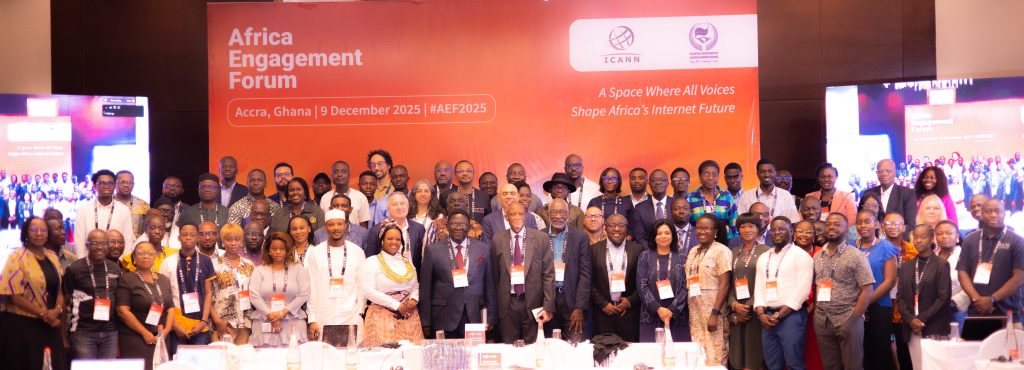
ICANN December 2025 Events in Accra
November 25, 2025
Press Release: Africa Engagement Forum Opens in Accra, Strengthening Regional Collaboration on Internet Governance
December 9, 2025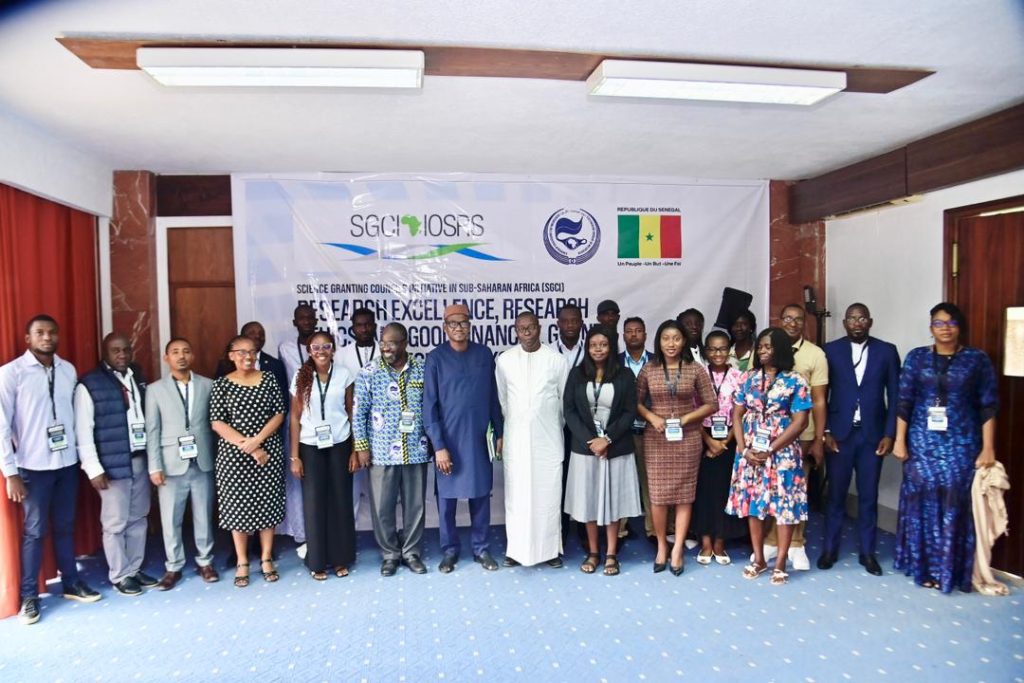
The Research Management Project of the Science Granting Councils Initiative (SGCI) hosted its 2025 Research Excellence, Research Ethics, and Good Financial Grant Practices Workshop in Dakar, Senegal, from 26 to 28 November 2025. The event marks an important milestone as the initiative concludes its second phase. Over three days, representatives from national research councils across Africa took part in learning sessions, strategic dialogue, and collective reflection.
The workshop, held under the SGCI and co-organised by the Association of African Universities (AAU) and the Ministère de l’Enseignement Supérieur, de la Recherche et de l’Innovation du Sénégal, with funding from the International Development Research Centre (IDRC) and the United Kingdom’s Foreign, Commonwealth and Development Office (FCDO), supports ongoing efforts to strengthen research excellence, improve institutional systems and increase the impact of funded research.
With delegations from Zimbabwe, Sierra Leone, Ghana, Mozambique, Kenya, Malawi, Ethiopia, Burkina Faso, Togo, Tanzania, Uganda, and Senegal in attendance, the workshop reflects SGCI’s continental reach and the shared commitment of councils working within diverse national contexts to strengthen Africa’s research systems.
Research and Innovation as Drivers of Development
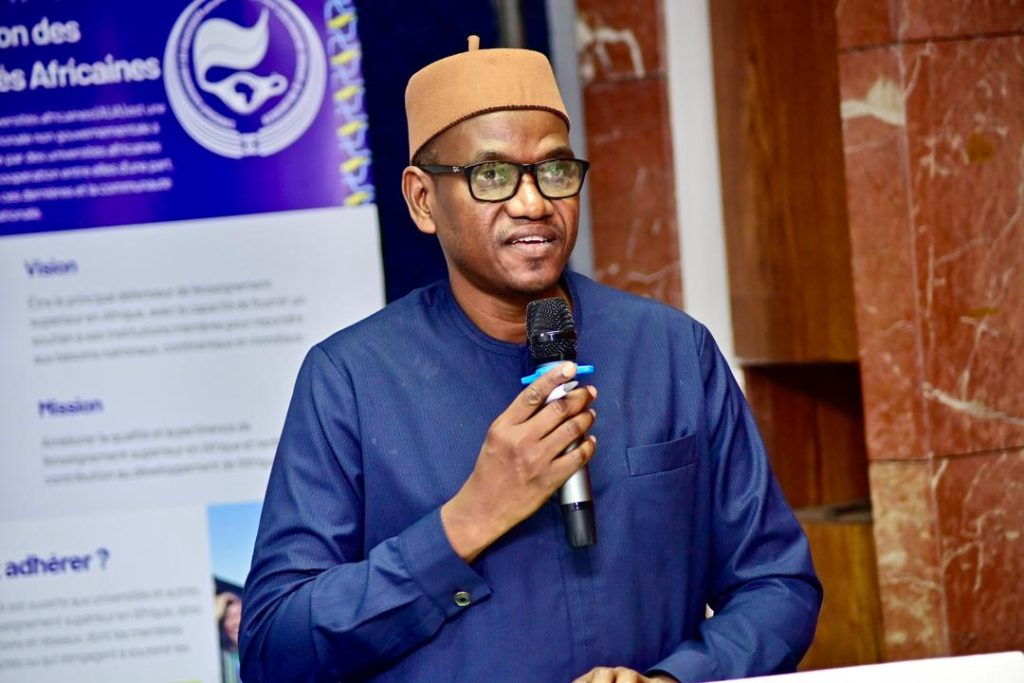
In his opening remarks, Professor Hamidou Daff, Director General of Research at the Ministry of Higher Education, Research and Innovation in Senegal, highlighted the essential role of research and innovation in national development. He noted the importance of research in driving economic growth and contributing to addressing Africa’s priorities in food security, public health, and education. He stressed that ethics and excellence must guide all research activities, as strong ethical foundations protect credibility and ensure research delivers real societal benefit.
Professor Daff acknowledged the challenges in research financing but underscored the value of initiatives like the SGCI in reinforcing governance and institutional systems. He added that the workshop provides a practical platform for councils to exchange governance practices and strengthen their approaches.
Recognizing Resilience and Evidence of Impact
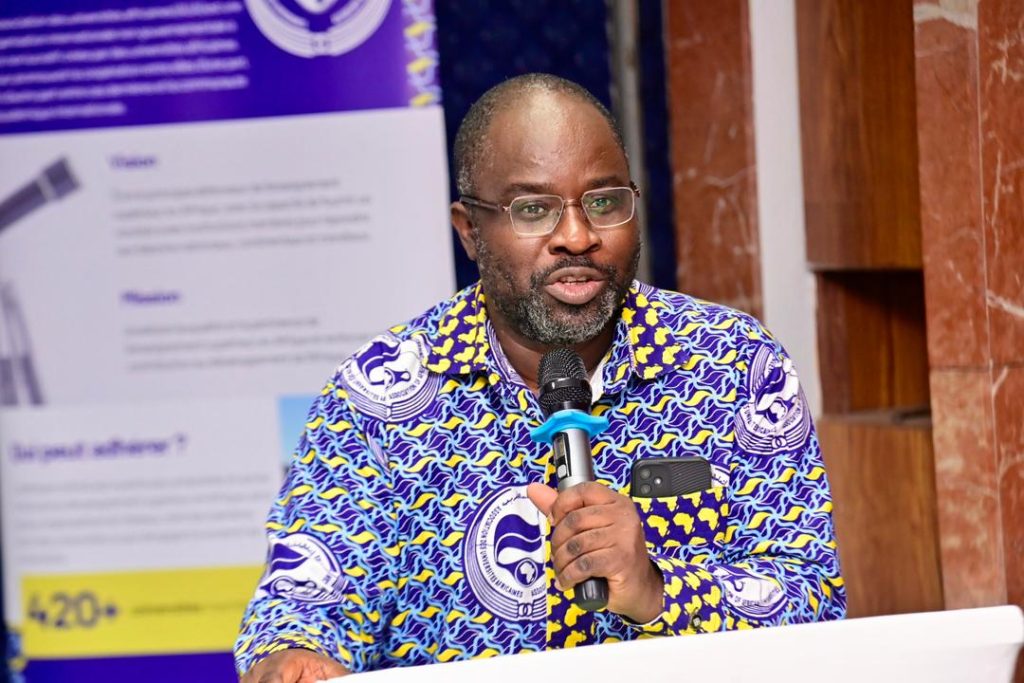
Building on these perspectives, Professor Ato Armah, Director of Research and Programmes at the Association of African Universities (AAU), reflected on progress made across councils participating in the SGCI programme. Drawing on recent project reviews, he noted strong evidence of impact across countries. He emphasized that this progress is visible even as councils operate within varied institutional realities, with differing levels of capacity, infrastructure, and resources.
According to Professor Armah, resilience, adaptability, and sustained commitment have played a central role in the initiative’s success. Structured impact tracking systems continue to highlight measurable outcomes and demonstrate the value of coordination, shared learning, and steady collaboration across the continent.
Key Priority Areas for Strengthening Research Systems
The workshop’s objectives build on recent country-level engagements and respond to needs identified by councils across the continent. Each priority area is designed to strengthen core research management functions and improve alignment within national systems.
The objectives include:
- Strengthening capacity for planning, delivering, and managing research activities.
- Supporting councils in applying the institutional self-assessment tool to identify strengths, gaps, and priority areas for system improvement.
- Deepening understanding of research impact, including impact pathways, co-production, and effective knowledge organization.
- Promoting cross-council learning on Good Financial Grant Practice (GFGP) and highlighting effective financial management practices.
- Defining next steps for advancing research excellence and GFGP and supporting councils as they transition from training to full adoption within national systems.
Together, these priorities inform how the workshop is structured and how councils are supported throughout the sessions.
In her remarks, Mrs. Ruth Issambo Nyarko, Project Officer of Strengthening the Capacity of Africa’s Science Granting Councils in Research and Grants Management (RM) under the SGCI, noted that the workshop is designed to give councils practical tools and approaches they can apply within their national systems to improve research governance and strengthen institutional processes. She added that the sessions aim to deepen understanding, foster collaboration, and equip participants with strategies they can implement beyond the workshop.

A Shared Vision for Stronger Research Ecosystems
The opening session set a strong foundation for three days of focused engagement, showing how a capacity-strengthening initiative has evolved into a collaborative network committed to advancing research excellence across Africa. Mrs. Nyarko describes the SGCI journey as one shaped by continuous learning and partnership, and encourages councils to reflect on their progress and agree on priority actions for future implementation.
Building on this foundation, the workshop reinforces a shared commitment to developing resilient and ethical research systems that generate knowledge, inform policy, and support Africa’s development agenda.
Since its launch, the Science Granting Councils Initiative has progressed from developing core research management skills to strengthening systems through research excellence, ethics, gender equality, and good financial grant practice. This evolution continues to shape stronger national research ecosystems across the continent.
About the Science Granting Councils Initiative
The Science Granting Councils Initiative (SGCI) was launched in 2015 with funding support from the UK’s Foreign, Commonwealth and Development Office (FCDO), Canada’s International Development Research Centre (IDRC), South Africa’s National Research Foundation (NRF), and the Swedish International Development Cooperation Agency (Sida).
Rolled out in two phases, the initiative aimed to strengthen the institutional capacities of science granting councils across sub-Saharan Africa. Phase 1 focused on improving research management, applying science, technology and innovation (STI) indicators in policymaking, supporting knowledge exchange with the private sector, and building partnerships within national and regional science systems. Phase 2 deepened this work by advancing research excellence, strengthening research ethics, promoting emerging practices such as open access and citizen science, and supporting the development of digital grant management systems and peer-review databases.
About the Association of African Universities
The Association of African Universities (AAU) is an international, non-profit, and non-governmental organization established by African universities to promote collaboration among higher education institutions across the continent and strengthen their engagement with the global academic community. The AAU aims to enhance the quality of African higher education and its contribution to the continent’s development by supporting core institutional functions and facilitating critical reflection and consensus-building on key issues affecting the sector.
Since 2015, the AAU has led the implementation of the Research Innovation Management (RIM) and Research Management (RM) projects under the Science Granting Councils Initiative (SGCI). Through these projects, the AAU contributes to strengthening research governance, innovation ecosystems, and institutional capacities across Africa.
For project-related enquiries, contact: rdickson@aau.org
For general AAU enquiries: info@aau.org