|

|
December 23, 2025
|
|
Advancing Higher Education in Africa - 2025 in Retrospect
|
|
|
|
|
Foreword from the President of the Governing Board
|
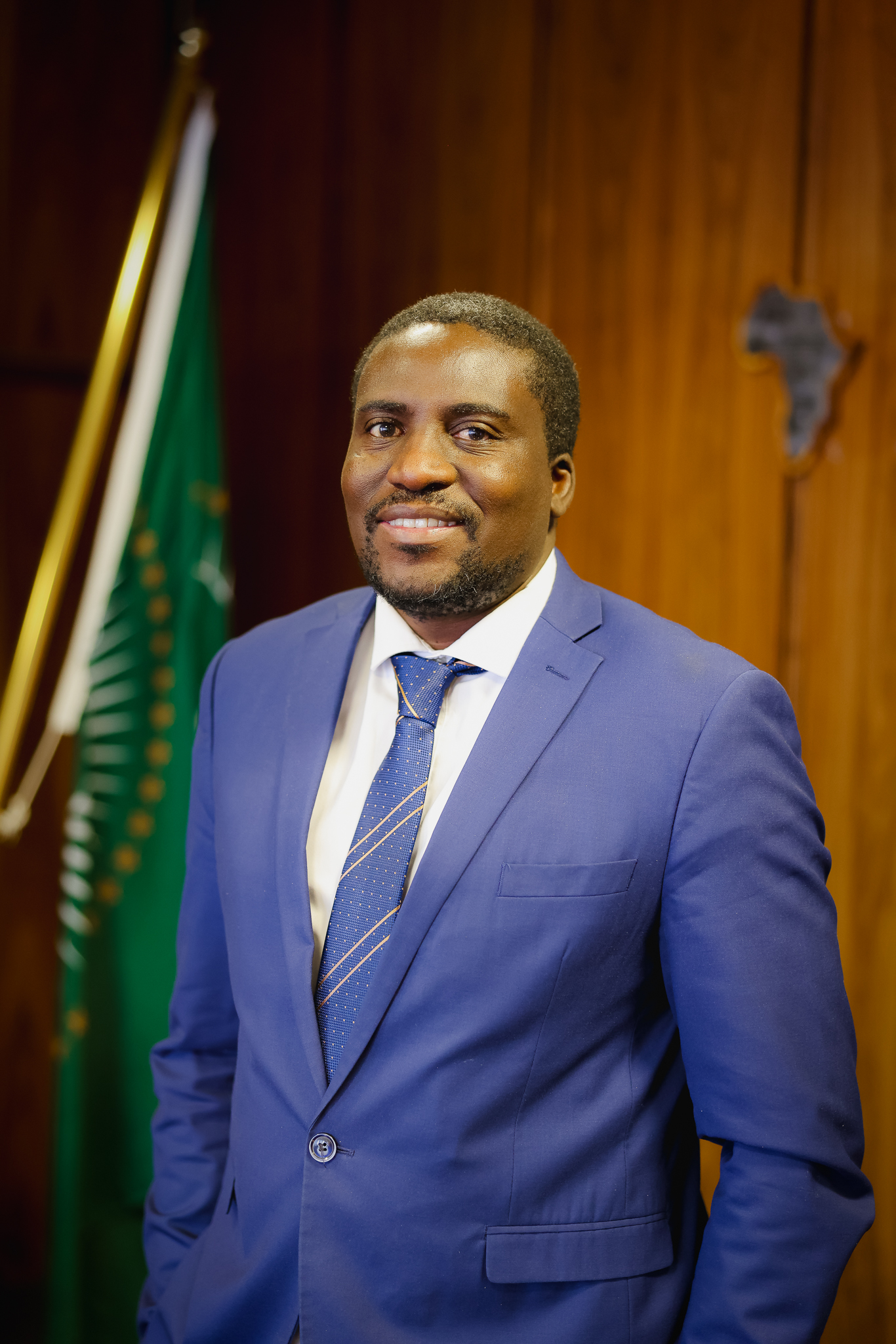
The ambitions of the African continent - its socio-economic transformation, innovation, and global competitiveness agenda, is fundamentally linked to the strength of its higher education system. Weak institutions produce bad governance. Stronger higher education institutions give Africa its competitive edge - versatile, agile and adaptable workforce as well as a resilient economy. For more than five decades, the Association of African Universities (AAU) has served as the central institution dedicated to advancing this sector. And we will continue to focus on getting African higher education institutions to be responsive, relevant and important. And for sure, we will also remain accountable for the public and private resources we are provided with. I am deeply honoured to have been entrusted by this distinguished network of our 450+ member universities, with the responsibility of leading the Governing Board at this pivotal moment.
Our mandate is clear: to strengthen the AAU as the premier voice and facilitator of excellence in African higher education. And we will go beyond that. Impact and conversion capabilities are critical for our mission. In the spirit of this mandate, 2025 has been marked by deliberate strides toward greater relevance, responsiveness, collaboration, and systemic impact. We have reinforced strategic partnerships, assumed continental leadership in critical initiatives, and sharpened our focus on empowering universities as suitable and capable engines of sustainable development.
Key priorities have guided our efforts: enhancing the quality and harmonization of academic programmes, systems, and fostering research and innovation ecosystems, and advocating for policies that position African institutions at the heart of the continent’s knowledge economy.
Our work, from digital transformation to capacity building and stakeholder engagement, is designed to ensure that our members are equipped to educate, innovate, and lead. Africa has the promise to lead the world. And we will do so.
The progress we have made is a direct result of our members’ active participation and indeed the support from our local, regional and international partners is greatly appreciated. To our member universities, partners, and stakeholders: your commitment is the foundation on which we launch missiles of our development. Our collective advancement is informed by history and endowment. We are on a new path with clear trajectories. The foundation has been laid. As a Board, we are resolved to build upon this legacy with diligence and strategic focus.
Looking ahead, we are committed to deepening institutional resilience, expanding meaningful collaboration, and amplifying the global standing of African higher education. Together, we will continue to shape an ecosystem that is not only responsive to Africa’s priorities but also definitive in shaping its future. It is in our hands. Let’s not just take hold of the promise. Let’s nurse the current and innovate our future. Will you play your part? I will do mine. Let’s go Africa!!!
|
With gratitude and shared purpose,
Professor Kenneth Kamwi Matengu
President, AAU Governing Board (
Association of African Universities), Vice-Chancellor of the University of Namibia, President of the Pan
African University Council, and member of the Association of Commonwealth Universities Council
|
|
Secretary General's Message
|

As 2025 draws to a close, I reflect on a year of profound strategic progress and resilient leadership
for the Association of African Universities. Operating within a complex global landscape, we have not
only navigated challenges but have decisively strengthened our role as the continent's essential
convener, partner, and advocate for higher education. Guided by our Governing Board and propelled by the
unwavering engagement of our members, the state of our Association is robust, our morale is high, and
our trajectory is one of confident, continent-wide impact.
This year has been marked by significant expansion and deepened influence across pivotal continental
initiatives. We proudly welcomed 12 new universities into our network, extending our collective reach,
while our capacity-building programmes fortified governance, research excellence, and sustainability
across our membership.
Our convening power was demonstrated at the highest levels, most notably through the 16th Quadrennial
General Conference in Rabat. There, nearly 500 leaders united under the theme "Shaping the Future of
Higher Education for Innovation and Sustainable Development in Africa," setting the continental agenda
and electing a new Governing Board led by our esteemed President, Prof. Kenneth Kamwe Matengu.
As we look to 2026, we do so with a renewed and sharpened focus. Building on the foundations of our
flagship programmes, we are committed to championing evidence-based policy, fostering unparalleled
excellence in teaching and research, and forging the collaborations that will transform African
universities into the indisputable engines of innovation and sustainable development for our continent.
|
With profound gratitude,
Prof. Olusola Oyewole
Secretary General, Association of African Universities
|
|
Watch Season's Greetings Video
|
|
Expanding Membership and Building Capacity Across African Universities
|
|
|
12 new member universities from West, East, North, and Central Africa, as well as Queensland University in
Haiti (admitted as an Associate member) were welcomed to the Association, further extending its
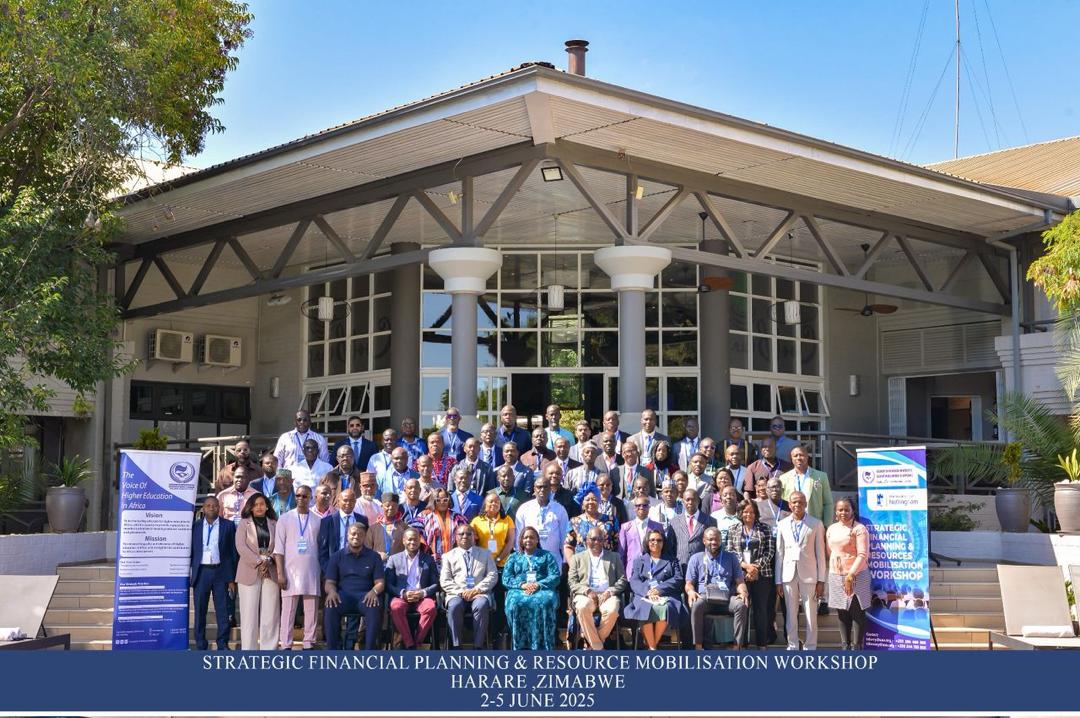
continental and global reach. To support member institutions, the AAU organized capacity-building
initiatives covering key areas such as Safety and Security in African Universities, Positioning
Universities for Global Visibility, Cyber Security and AI, Elevating African Research Visibility and
Excellence, Advancing Open Access, and Strategic Financial Planning and Resource Mobilization.
|
|
These workshops generated policy briefs and practical guidance to strengthen institutional governance,
research impact, and financial sustainability. Additionally, webinars on Internationalization and
partnerships between Historically Black Colleges and Universities (HBCUs) and African higher education
institutions reinforced diaspora engagement, knowledge exchange, and continental collaboration. Capacity
of our network was further strengthened under the various flagship initiatives and projects implemented by
the Association.
|
|
Global Engagements to Advance African Higher Education
|
|
|
|
The AAU Secretariat actively represented African higher education at key international forums, including
the World University Presidents Forum and International Forum on Higher Education in China, the 3rd
Interregional Dialogue on Education and Development in Colombia, the World Academic Summit in Saudi
Arabia, and at the Technical Meeting on the Continental Education Strategy for Africa (CESA 26-35) in
Kenya.
|
|
Participation in events such as the Conference on Academic Freedom in Tanzania, the International
Foundation for Science Conference in Benin, and the HAQAA Management Meeting in Spain reinforced AAU's
role as the leading advocacy body for African higher education, fostering strategic partnerships,
knowledge exchange, and continental representation on the global stage. Our leading voice in championing
Open Science, Digital Transformation, Empowerment of Women, Universal Acceptance and several other causes
recorded us engaged in many key continental and global discussions throughout the year 2025.
|
|
Promoting Africa-Europe Innovation and Collaboration
|
|
|
The SEADE project, coordinated by the AAU with support from the European Commission, advanced
Africa-Europe partnerships by empowering youth, promoting gender inclusion, and supporting research and
innovation. In 2025, the project trained young innovators in practical digital skills and provided
targeted support for women and youth in R&I. It also successfully piloted the EU-AU Legacy and Non-Legacy
Tools, enhancing visibility, collaboration, and access to resources for R&I actors.
|
|
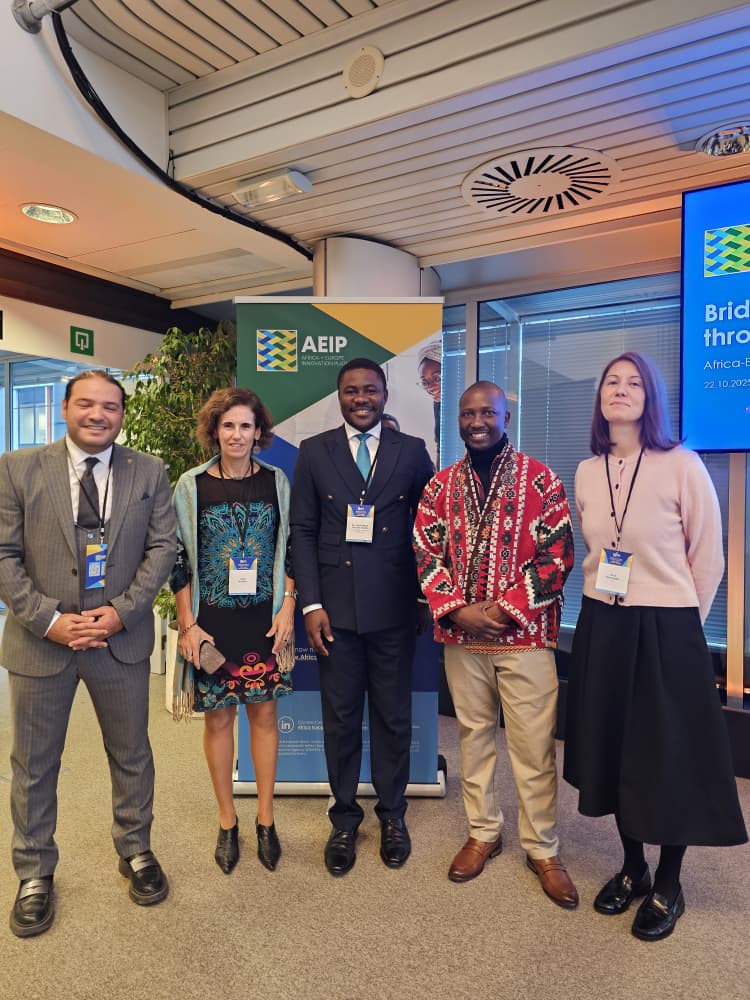
Additionally, the Africa-Europe Innovation Platform (AEIP) launched Communities of Practice on
Entrepreneurship and Innovation, Commercialization of Innovative Products, and Climate Change and
Sustainability Education creating dynamic spaces for knowledge exchange, peer learning, and
cross-continental collaboration.
|
|
Environmental Sustainability and Climate Innovation
|
|
|
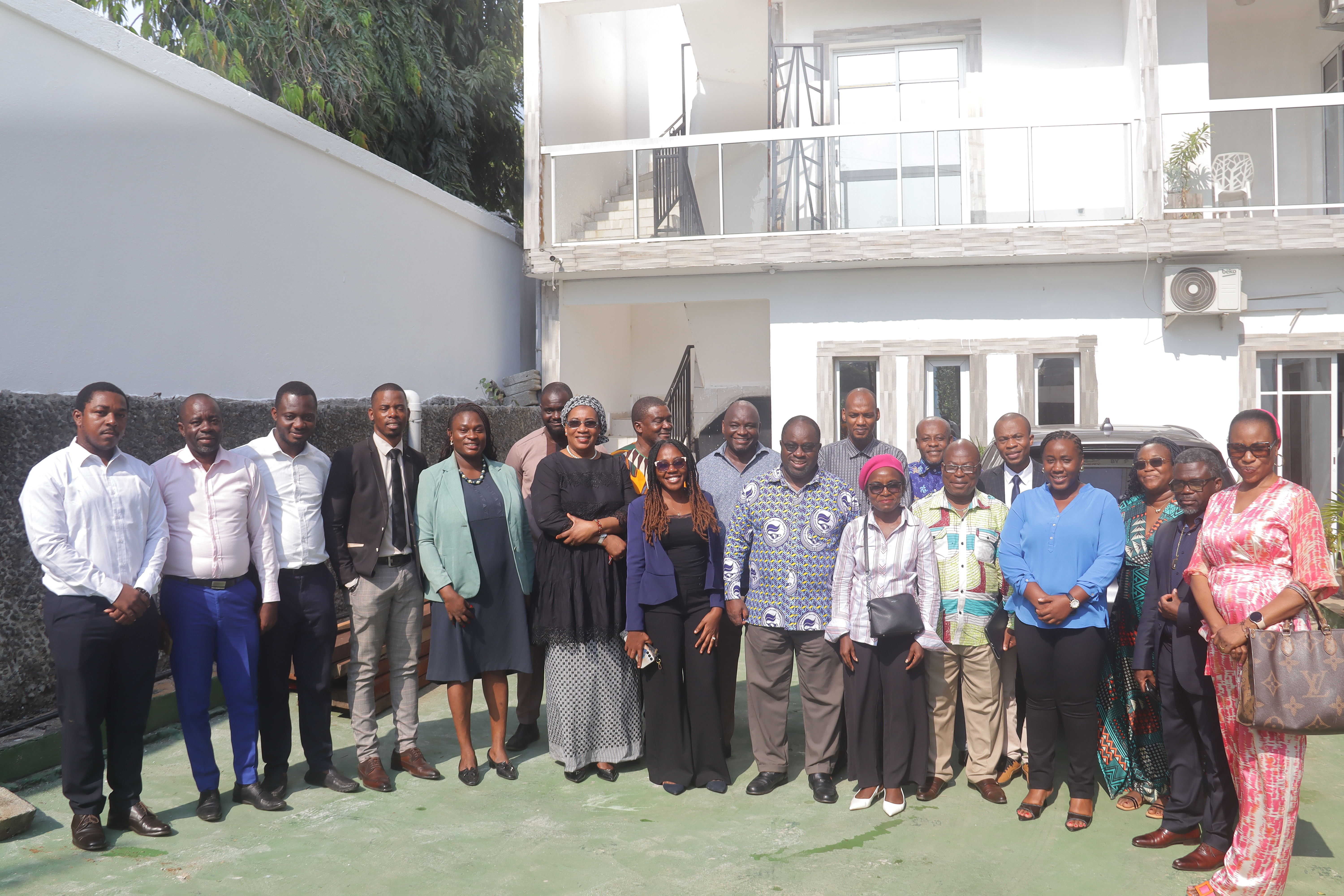
In response to the growing need for environmental sustainability, the AAU and other partners, with support
from the UK Aid (FCDO) and IDRC, is advancing research, training, and innovation in the blue and green
economies across African universities. The Climate Adaptation Research-centered Organizational Capacity
Assessment Tool (CLARE-COCAT) engaged 20 universities from across the continent to co-create and pilot an
institutional assessment tool, supported by a Living Lab platform for collaborative learning and
context-driven solutions.
|
|
Meanwhile, the Climate Change and Health Innovation Hub for West and Central Africa (CHINNOVA)
successfully conducted stakeholder consultations to define priority thematic areas and launched its first
call for proposals in October 2025, attracting 200 submissions, highlighting strong institutional
engagement in climate-focused research and innovation.
|
|
Driving Digital Transformation in African Universities
|
|
|
The AAU, in collaboration with partners, made significant strides in advancing digital education across
African universities. Through partnerships, such as the one with e-Learn Africa, the AAU convened 120
university leaders at the e-Learning Summit and Academic Leadership Summit to address digital education
challenges and explore innovative strategies for transforming higher education.
|
|
Member universities, including Rhodes Business School (South Africa), Njala University (Sierra Leone), and
the University of Nigeria, increased enrolment in online programmes, while the "Professional Learning for
Africa's Future" initiative was launched to enhance workforce skills in line with Agenda 2063 and the
AfCFTA framework. The AAU also introduced the Digital Empowerment MOOCs to standardize digital
competencies, offering three free online modules followed by a one-week in-person session.
|
|
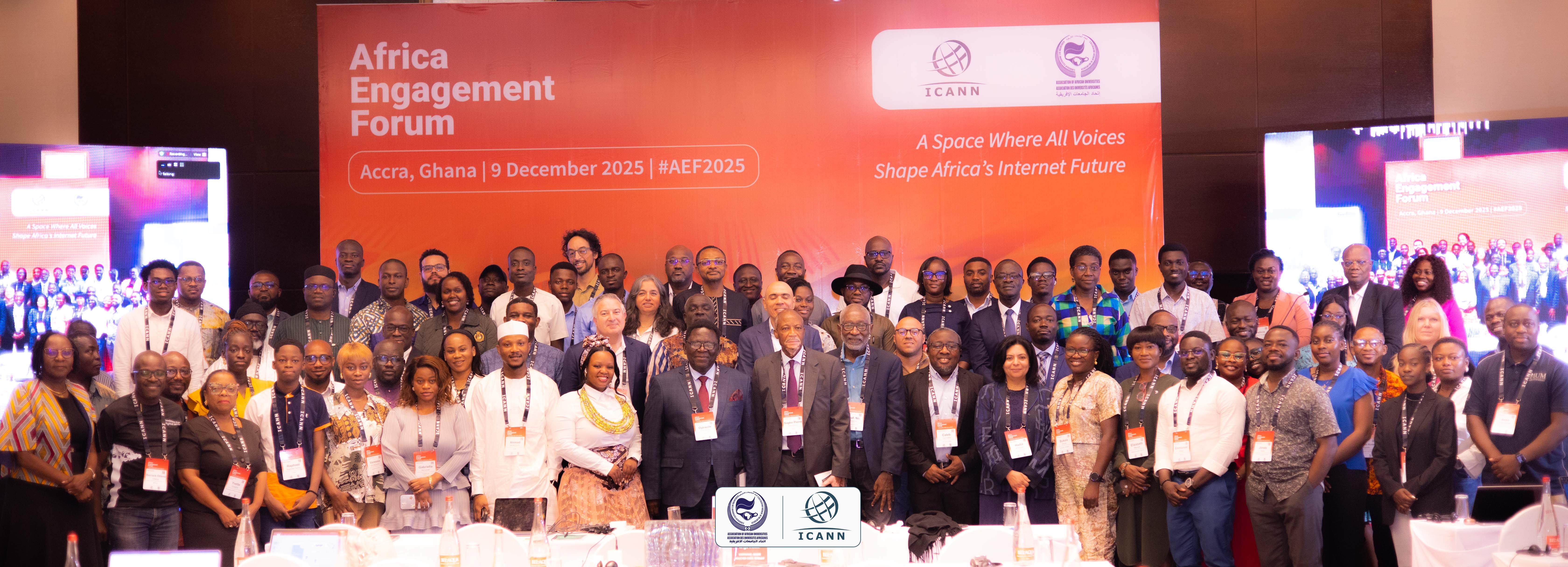
To further strengthen digital readiness, the AAU, in partnership with ICANN, improved Universal Acceptance
(UA) compliance across member universities, recording 137 websites and 302 email UA-compliant
institutions, with a pilot framework underway to integrate UA concepts into computer science curricula,
fostering long-term capacity building and innovation in Africa's higher education ecosystem.
|
|
Consolidating Impact, Innovation and Regional Development
|
|
|
|
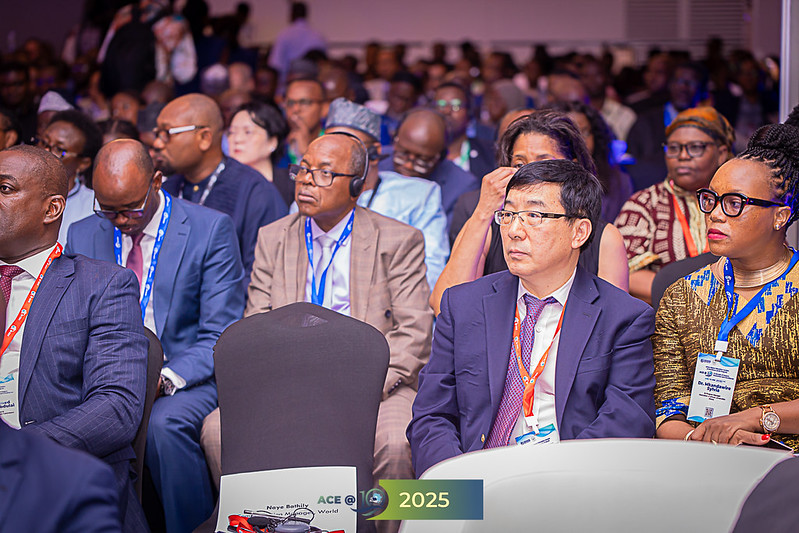
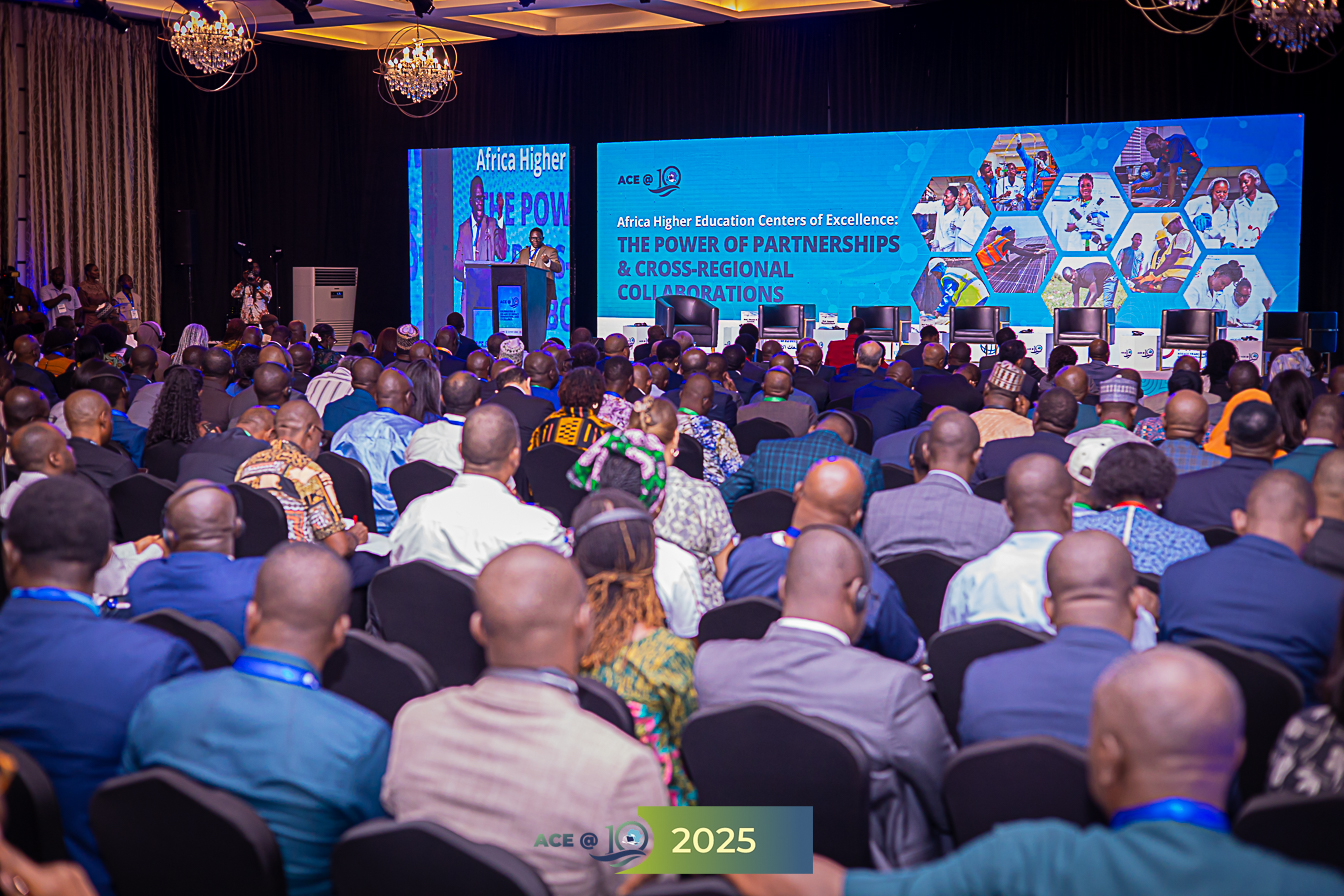
This year (2025), the AAU and partners celebrated a significant milestone with the 10th anniversary of the
African Centres of Excellence (ACE) programme at the ACE@10 event in Accra, Ghana. This convening brought
together over 500 leaders and partners to reflect on a decade of transformative impact across more than 80
centres in 20 countries, training over 90,000 students and producing more than 10,000 research
publications.
|
|
The successful closure of the ACE Impact phase in June 2025, following the timely submission of completion
reports and the conclusion of comprehensive World Bank audits, demonstrates strong accountability and
effective programme management. Building on this legacy, preparations are underway for a follow-on phase,
ACE Innovate (2026-2032), designed to advance innovation, skills, and economic growth in West and Central
Africa.
|
|
At the national level, Nigeria launched the ACE Alliance to institutionalise and scale the impact of its
20 Centres of Excellence, reinforcing long-term sustainability and regional leadership. In parallel, the
Association of African Universities was confirmed as a key implementing agency for the US$137.15 million
Sahel RELANCE Project, strengthening regional education systems in Mauritania and Chad through coordinated
implementation, governance support, and the expansion of inclusive and flexible learning pathways for
vulnerable youth.
|
|
Continental Advancements in Quality Assurance in Higher Education
|
|
|
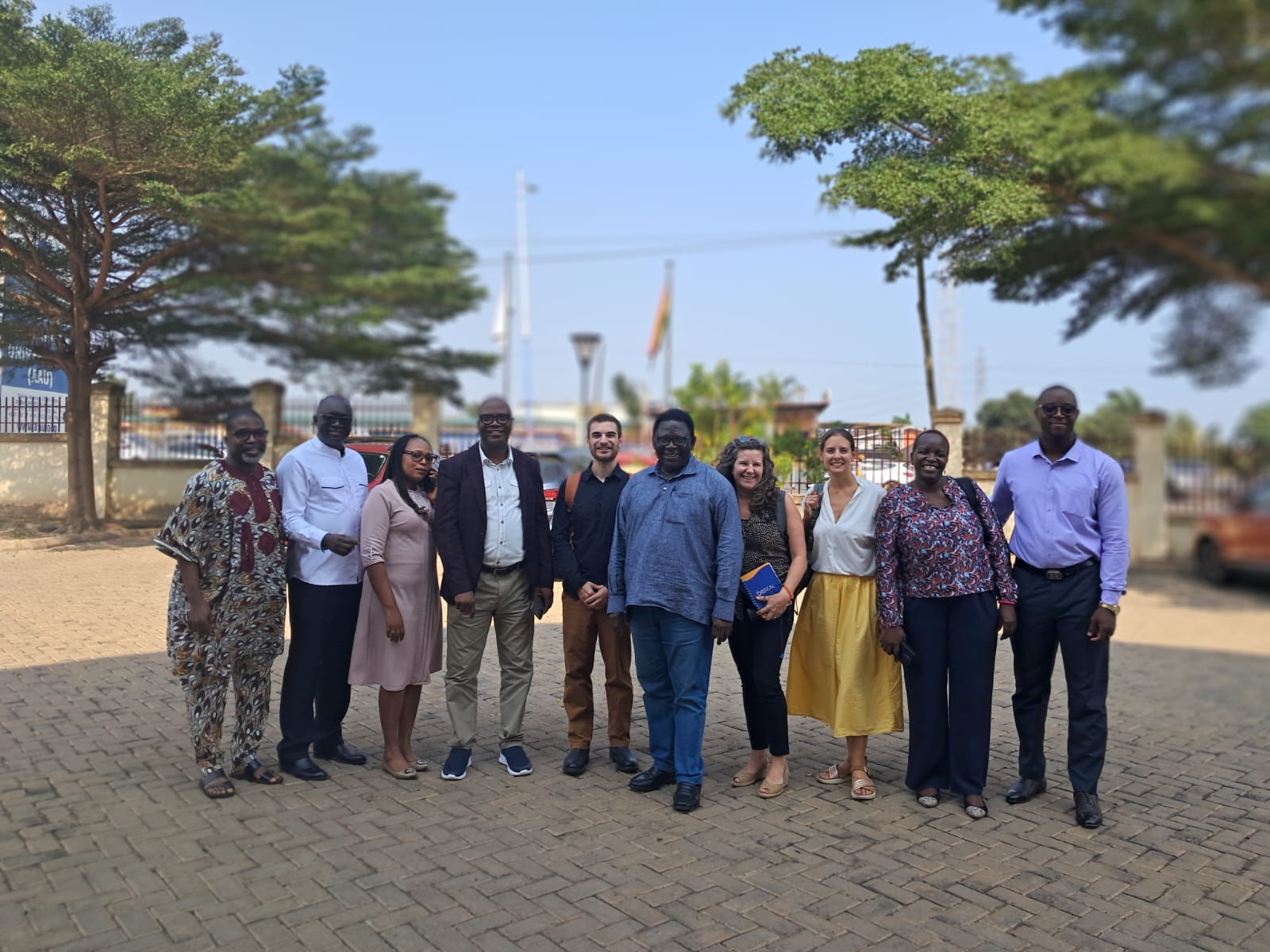
The AAU recorded significant progress in quality assurance, student mobility, and data systems. Thirteen
countries participated in agency review exercises, completing capacity-building trainings, formalising
processes through Terms of Reference and Self-Assessment Reports, and preparing for on-site evaluations in
early 2026, while growing interest from additional countries signaled expanding continental commitment.
|
|
Governance and technical capacity were strengthened through a continental pool of trained quality
assurance experts, the launch of an Interim Council, and reinforced advisory structures. Simultaneously,
the African Credit Transfer System (ACTS) entered its Pilot Phase engaging the 15 participating countries,
providing regional support, accompanied by an online training programme.
|
|
Complementing these efforts, the DATA work area initiated evidence-based policymaking through the first
in-person African Higher Education Data Team meeting and the development of a modular capacity-building
programme, collectively establishing robust mechanisms for harmonisation, mobility, and data-driven
decision-making across the continent.
|
|
Improving Africa's Research Ecosystem
|

|
|
SGCI-2 made significant strides in strengthening research governance across African Science Granting
Councils by enhancing their capacity to fund, manage, and monitor research transparently and effectively.
Key achievements include the expanded adoption of the Research Quality Plus (RQ+) Framework, ensuring
research is assessed not only for academic excellence but also for societal relevance, ethics,
inclusivity, and alignment with open science practices.
|
|
Councils have strengthened ethical and fiduciary integrity through Research Ethics Guidelines and the Good
Financial Grants Practice (GFGP) Standard, with Zimbabwe and Kenya advancing toward full certification.
Digitization has been central, with the upgraded Digital Grants Management System (DGMS) deployed across
11 Councils, supporting multilingual grant calls, streamlined post-award processes, and integrated
monitoring and evaluation.
|
|
The program also facilitated knowledge sharing through a symposium in Abidjan, highlighting the
contribution of funded research to national and regional priorities. The project component focused on
Public-Private-Partnerships and research infrastructures also advanced in several ways, recording key
progress for the benefit of the science community. Collectively, SGCI-2 is driving sustainable,
system-level improvements in governance, accountability, and efficiency across Africa's research
ecosystem.
|
|
Update from Regional Offices
|
|
|
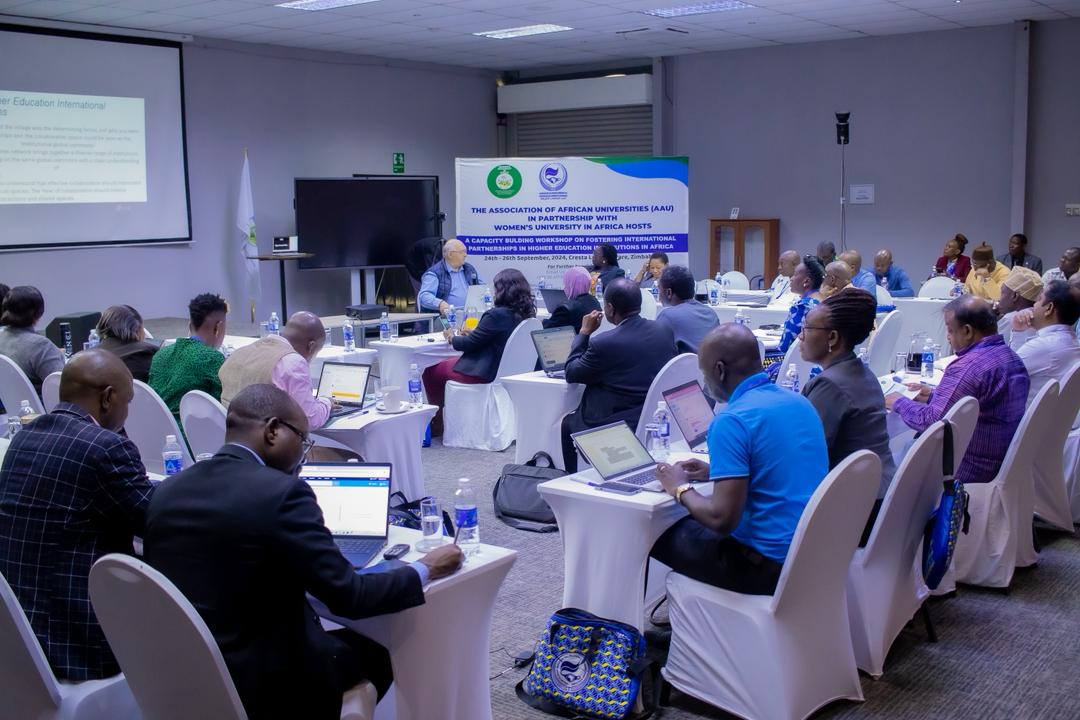
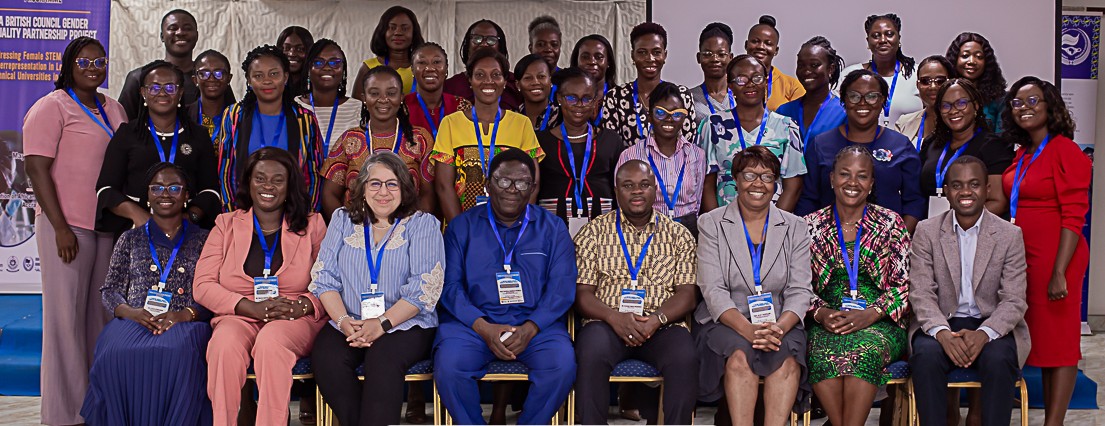
The AAU’s three regional offices—North Africa Regional Office (NARO) hosted by Al Azhar University in
Egypt, Europe Regional Office (ERO) hosted by the University of Nottingham in the United Kingdom, and
Southern Africa Regional Office (SARO) hosted by the Women’s University in Zimbabwe, led a series of
impactful initiatives in 2025.
|
|
NARO organized a series of online activities aimed at strengthening engagement and capacity among North
African universities. A key highlight was an information session on the newly launched African Research
and Innovation Network (AfRID) in July 2025, which provided university leaders and staff with
comprehensive guidance on the platform’s features, usage, and opportunities for research collaboration.
|
|
|
ERO played a key role in repositioning African universities through a series of webinars in partnership
with the Ethical Data Institute, fostering open discussions on data ethics, Artificial Intelligence,
gender, and resilient education systems. The office also supported AAU in brokering strategic partnerships
with global institutions, including the Berlin University Alliance, British Council, and the Association
of Commonwealth Universities (ACU), advancing a shared agenda for African higher education.
|
|
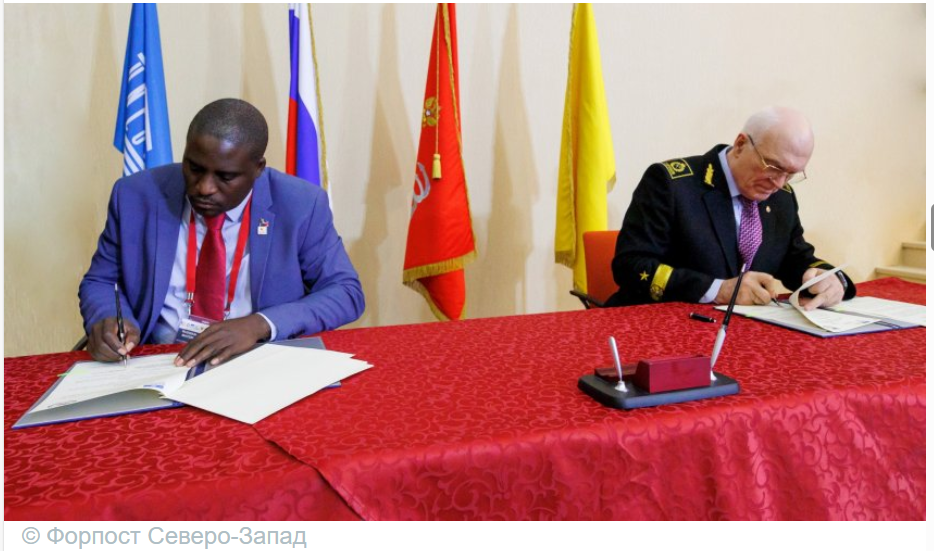
SARO strengthened regional collaboration by signing a Memorandum of Understanding with the Southern
African Regional Universities Association (SARUA), aligning efforts to serve universities across the 15
countries of the Southern African Development Community (SADC)
|
|
Strengthening Collaboration with the China Association of Higher Education
|

|
|
The AAU continued to deepen its strategic partnership with our international collaborators including the
China Association of Higher Education (CAHE), a relationship that reflects the growing synergy between
African and Chinese higher education sectors.
|
|
This collaboration was prominently advanced during the 2025 General Conference, where CAHE convened a
high-impact side event, which was also the 2025 Annual Meeting of the China-Africa Consortium of
Universities Exchange Mechanism. The session focused on joint priorities, including digital education, and
research
cooperation in areas of mutual interest.
|
|
This engagement formed part of the broader framework of the China-Africa 50-50 Partnership on Higher
Education, through which AAU has actively facilitated exchanges, capacity-building programmes, and policy
dialogues. AAU leadership and members also participated in key forums in China in 2025, contributing
African perspectives to global higher education discussions and exploring concrete avenues for
institutional linkages, scholarship mobility, and joint innovation hubs.
|
|
Highlights of AAU Events in 2025
|
16th Quadrennial General Conference
|
|
|
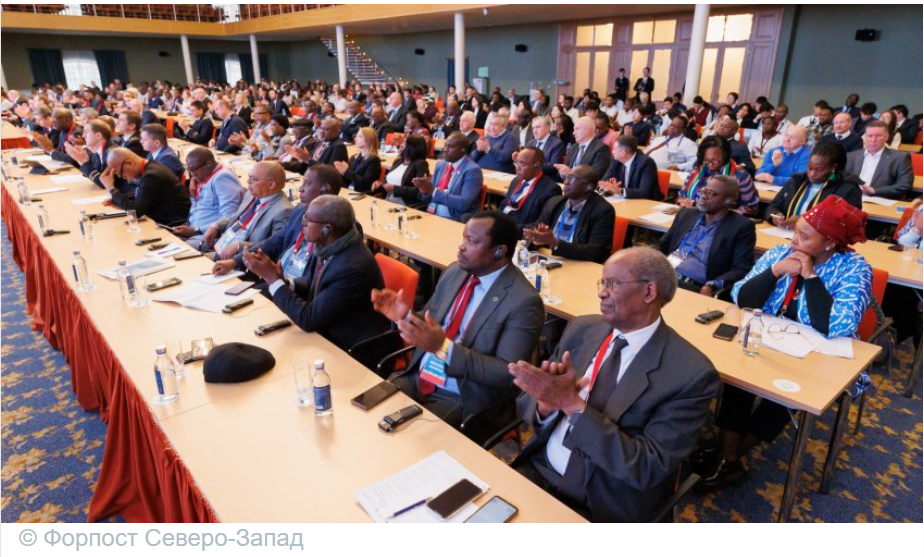
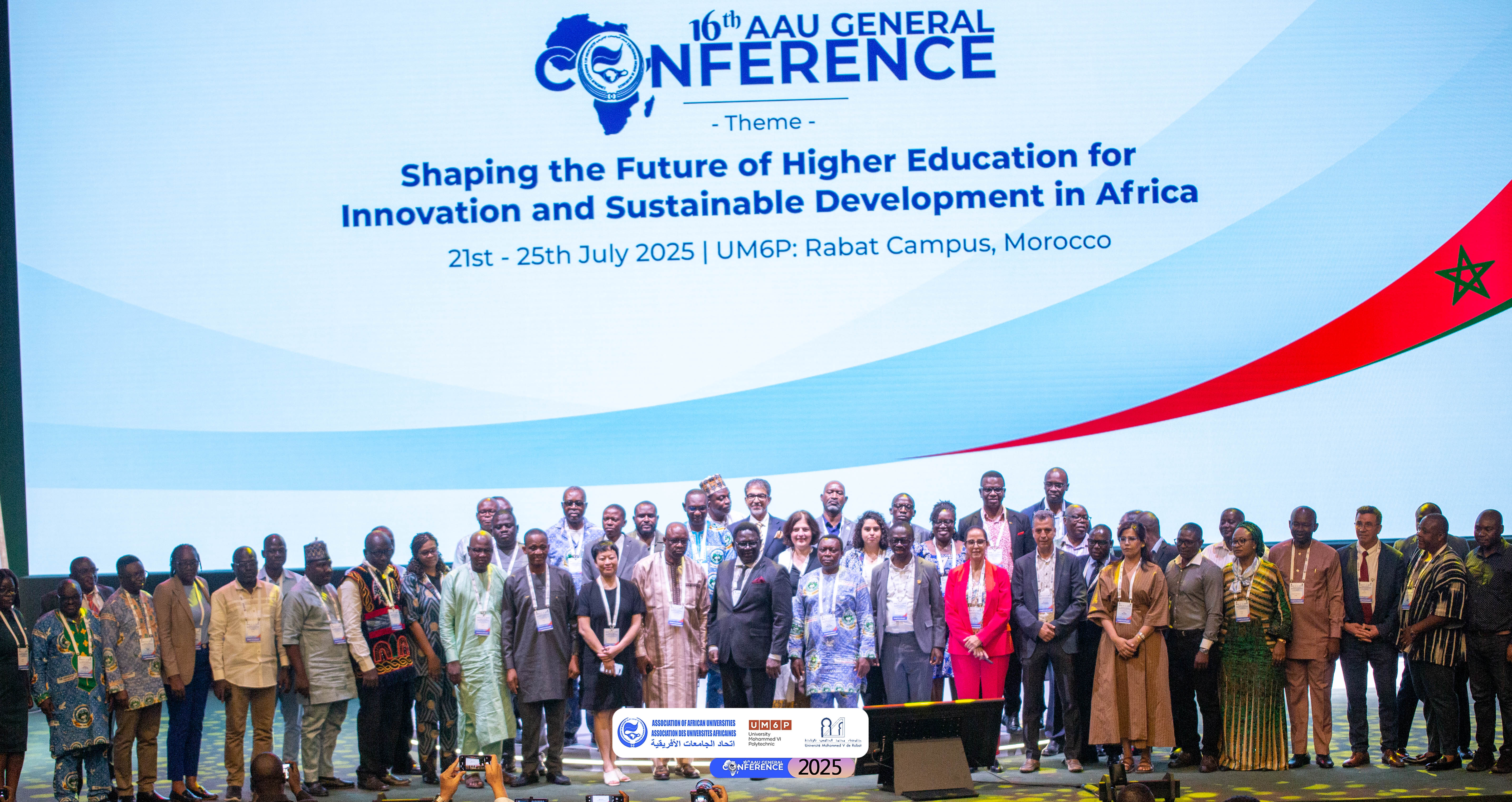
This July, we successfully convened the 16th Quadrennial General Conference of the AAU in Rabat, Morocco.
Bringing together over 500 leaders from across academia, government, and industry, the conference set a
decisive agenda for the future of African higher education under the theme, "Shaping the Future of Higher
Education for Innovation and Sustainable Development in Africa."
|
|
As the proud organizer and host, we facilitated critical dialogues that produced key resolutions for the
sector, centering on a new vision for universities to become "living laboratories" for innovation and
policy solutions. This includes a firm commitment to embed ethical AI literacy and digital skills
campus-wide, to champion Diamond Open Access and reclaim African research sovereignty, and to pursue
inclusive growth by boosting enrolment for women, refugees, and persons with disabilities.
|
|
The path forward also requires advancing harmonized quality assurance and professional research
management, alongside a unanimous call for deeper Pan-African partnerships and shared infrastructure.
Hosting this landmark event reaffirms our leadership role. We are now driving the implementation of these
resolutions, working with partners like the African Union and UNESCO to translate this powerful collective
vision into tangible progress for our continent.
|
|
Championing Open Science Through High Level Engagement and Advocacy - Open Science Webinar 2025
|
|
|
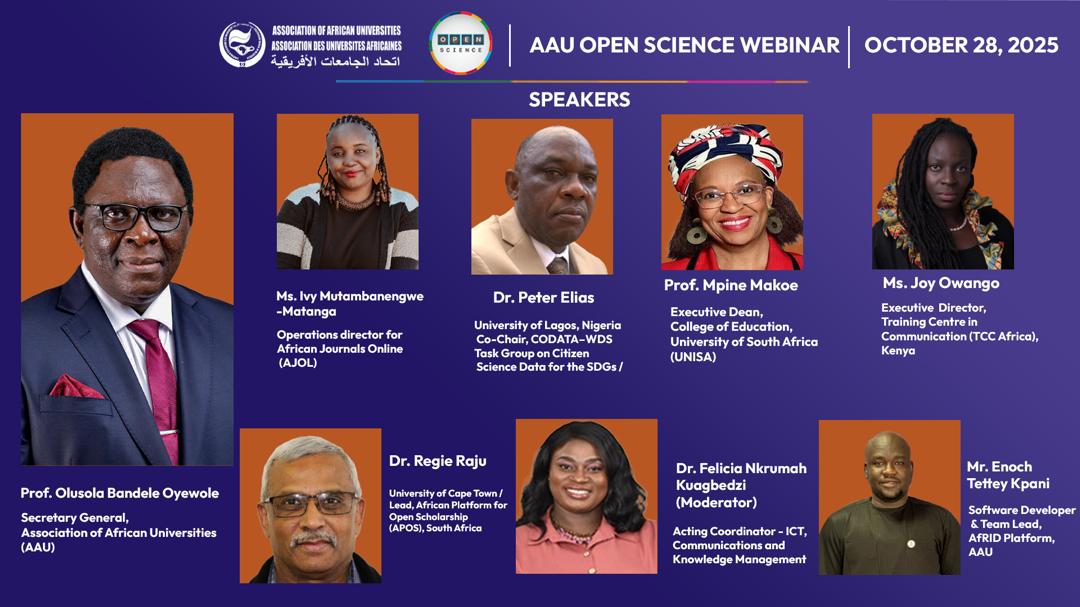
In October, we convened a high-level webinar to advance the critical conversation on Advancing Open
Science in Africa. The dialogue framed Open Science as a pathway to democratize knowledge, amplify African
research visibility, and accelerate sustainable development, bringing together leading academics and
digital experts.
|
|
Our Secretary General, Prof. Olusola Oyewole, positioned Open Science as essential for reclaiming Africa's
intellectual sovereignty - a shift toward transparency and equitable knowledge exchange. This vision is
operationalized through our flagship AfRID platform, which hosts over six million research outputs. We
announced enhanced features, including automated grant alerts and deeper integrations, to strengthen the
continent's research ecosystem.
|
|
Partners emphasized the need for shared infrastructure, supportive policies, and capacity building. Moving
forward, we are committed to expanding AfRID, advocating for policy harmonization, and scaling regional
capacity initiatives. The event reaffirmed our leadership in shaping a future where African research is
accessible, collaborative, and central to the continent's priorities.
|
|
2025 Africa Universities’ Day Celebrations: Shaping the Future of African Higher Education
|

|
|
The 2025 Africa Universities' Day was a week-long, continent-wide celebration under the theme "The Future
of Learning in Africa: Technology, Innovation, Skills and Inclusive Growth." It opened with a high-level
symposium featuring keynotes from AAU leadership, who outlined a transformative agenda for African higher
education centered on digital tools, innovation, and equity.
|
|
The celebrations featured a Vice-Chancellors' Roundtable translating dialogue into action, a focused
Policy Dialogue on enabling frameworks, and vibrant youth engagement through an Innovation Fair showcasing
university-led solutions. The week reinforced AAU's role in mobilizing stakeholders toward an innovative,
inclusive, and globally competitive higher education sector for Africa.
|
|
Contact Us
Association of African Universities
East-Legon, Accra, Ghana
|
Connect With Us
|
|
© Association of African Universities. All Rights Reserved.
|
|